
Quick answer
If you’re choosing an ankle brace, start with the type: lace-up braces give all-around support for most sprains and day-to-day instability, stirrup braces are great for side-to-side control in sports, sleeves help with light support and swelling, and walking boots are for more serious injuries when you need to limit motion. If you can’t bear weight or swelling is severe, get checked.
General information only — not medical advice. If you’re unsure what’s safe for your injury, ask a qualified clinician.
FAQs
What type of ankle brace is best for a sprain?
For many mild-to-moderate sprains, a lace-up brace is a solid starting point because it controls multiple directions and fits inside most shoes. For sports or stronger side-to-side control, a stirrup-style brace can work well.
Do compression sleeves work for ankle instability?
Sleeves can feel good and help with mild swelling, but they usually don’t limit motion much. If your ankle feels like it ‘gives way,’ you’ll typically want a lace-up or stirrup brace.
How tight should an ankle brace be?
Supportive — not painful. If you notice numbness, tingling, colour change, or increased swelling below the brace, loosen it or re-check sizing.
Can I wear an ankle brace all day?
Many people do during flare-ups or early return to activity. Take breaks if you’re getting pressure spots, and keep skin checks in the routine.
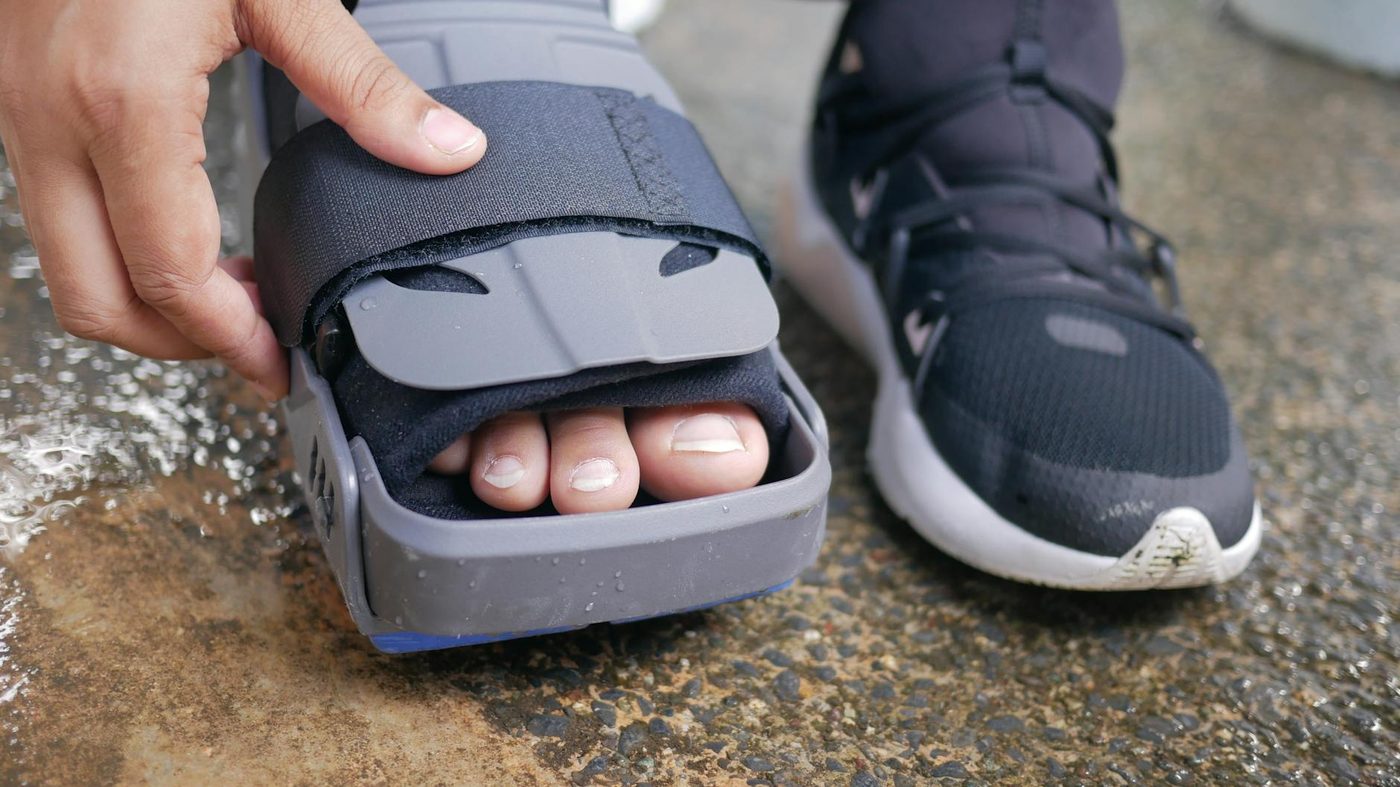
When should I consider a walking boot?
Boots are typically for more significant injuries where limiting motion matters (and for some fractures or severe sprains). If you can’t bear weight, you heard a ‘pop,’ or swelling is rapid, get assessed rather than guessing.
Quick answer
If you’re shopping for an ankle brace in Canada, start by matching the job: a lace-up brace for everyday sprains and instability, a stirrup brace for higher-impact sport, and a compression sleeve for mild swelling or achiness. Check sizing, shoe fit, and return policy, then choose the lightest support that still feels steady.
Quick answer
For ankle brace shopping in Canada, start with the support job: compression sleeve for mild daily support, strap or lace-up style for adjustable activity support, semi-rigid brace for stronger side-to-side stability, or Achilles-specific support when the tendon area is the focus.
- Compression sleeves are usually the lowest-profile option.
- Strap and lace-up braces help when adjustability matters.
- Semi-rigid braces offer more control but may feel bulkier in shoes.
- Achilles supports are different from general ankle-stability braces.
Helpful next steps
FAQ
What is the best ankle brace in Canada?
The best ankle brace depends on your goal: light compression for mild support, lace-up or strap support for activity, semi-rigid support for stronger stability, or Achilles-focused support when the issue is around the tendon. Match the brace type to the activity and support level you need.
Should I choose a sleeve, lace-up brace, or rigid ankle brace?
Choose a sleeve when comfort and compression are the priority, a lace-up or strap brace when you need adjustable support for activity, and a rigid or semi-rigid brace when side-to-side control matters more.
Can an ankle brace fit inside shoes?
Many ankle sleeves and lower-profile braces fit in athletic shoes, but rigid braces need more room. Check product sizing and shoe space before ordering.
Which ankle brace brands does Medibrace carry?
Medibrace carries options such as Bauerfeind MalleoTrain, MalleoLoc, MalleoTrain S, AchilloTrain, and Aircast ankle supports, depending on availability.
When should I ask a healthcare provider before buying?
Ask a qualified healthcare provider if you cannot bear weight, have severe swelling, have numbness, suspect a fracture, are post-surgical, or have pain that is not improving.
Helpful links
FAQs
What type of ankle brace is best for a sprain in Canada?
For most mild-to-moderate sprains, a lace-up ankle brace is a practical starting point because it’s supportive, fits in many shoes, and is easy to adjust. If you’re returning to cutting or jumping sports, a stirrup-style brace may feel more stable. If you only need light support, a sleeve can be enough.
How do I size an ankle brace?
Measure your ankle circumference where the brand specifies (often just above the ankle bones) and compare it to the size chart. If you’re between sizes, choose based on your priority: snug support for sport vs a bit more room for all-day wear in shoes.
Can I wear an ankle brace all day?
Many people can, as long as it isn’t causing numbness, tingling, or skin irritation. Take breaks if you swell during the day and follow any advice from your clinician, especially after an injury or surgery.
Will an ankle brace fit in my shoe?
Low-profile lace-up braces usually fit in athletic shoes; bulkier stirrup braces may need a wider shoe or loosening the laces. If shoe fit is tight, consider a slimmer brace or sizing up your footwear.
When should I talk to a healthcare professional?
If you can’t bear weight, have significant swelling or bruising, numbness, or symptoms that aren’t improving, it’s worth checking in with a regulated healthcare professional for a diagnosis and a plan.
General information only. If you have severe pain, numbness, or a new injury, consider speaking with a regulated healthcare professional for diagnosis and guidance.


