
Best Ankle Brace for PTTD Canada
Best Ankle Brace for PTTD Canada: Choose Medial Support, Stabilization, or Walking Support
Direct answer: The best ankle brace for PTTD-related shopping in Canada is usually a brace that supports the inside ankle and arch area without ruining shoe fit. Choose strap-guided support when walking stability and medial support matter, stronger stabilization when a sleeve feels too light, and a compression-first sleeve only when comfort and mild swelling are the main issue.
Canadian shopping route • Active Medibrace foot and ankle supports • PTTD-specific routing between sleeve, strap-guided brace, lace-up stabilizer, walking support, and clinician-guided care
Quick selector: choose by PTTD support scenario
| If your PTTD-related scenario is... | Choose this support type | Medibrace option | Why it fits this page |
|---|---|---|---|
| You need walking support around the inside ankle and arch area | Strap-guided ankle brace | Bauerfeind MalleoTrain S Ankle Brace | Good first route when medial support, shoe fit, and daily movement all matter. |
| A simple sleeve feels too light and you want more control | Stronger strap-supported ankle brace | Bauerfeind MalleoTrain Plus Ankle Brace | Adds a more guided support route before choosing immobilization. |
| Comfort, swelling feel, and lower bulk matter most | Knit compression ankle support | Bauerfeind MalleoTrain Ankle Brace | Better when stability demand is lower and shoe fit is the main limiter. |
| You want adjustable everyday stabilization in a lace-up format | Lace-up ankle stabilizer | BREG Wraptor Ankle Stabilizer | Useful detour when adjustability and broad ankle stability are more important than knit compression. |
| You cannot walk safely or symptoms are worsening | Assessment / walking-support route | Use clinician guidance before checkout | PTTD can worsen; a retail brace is not the right first step for severe or changing symptoms. |
What changes for a PTTD ankle-brace search?
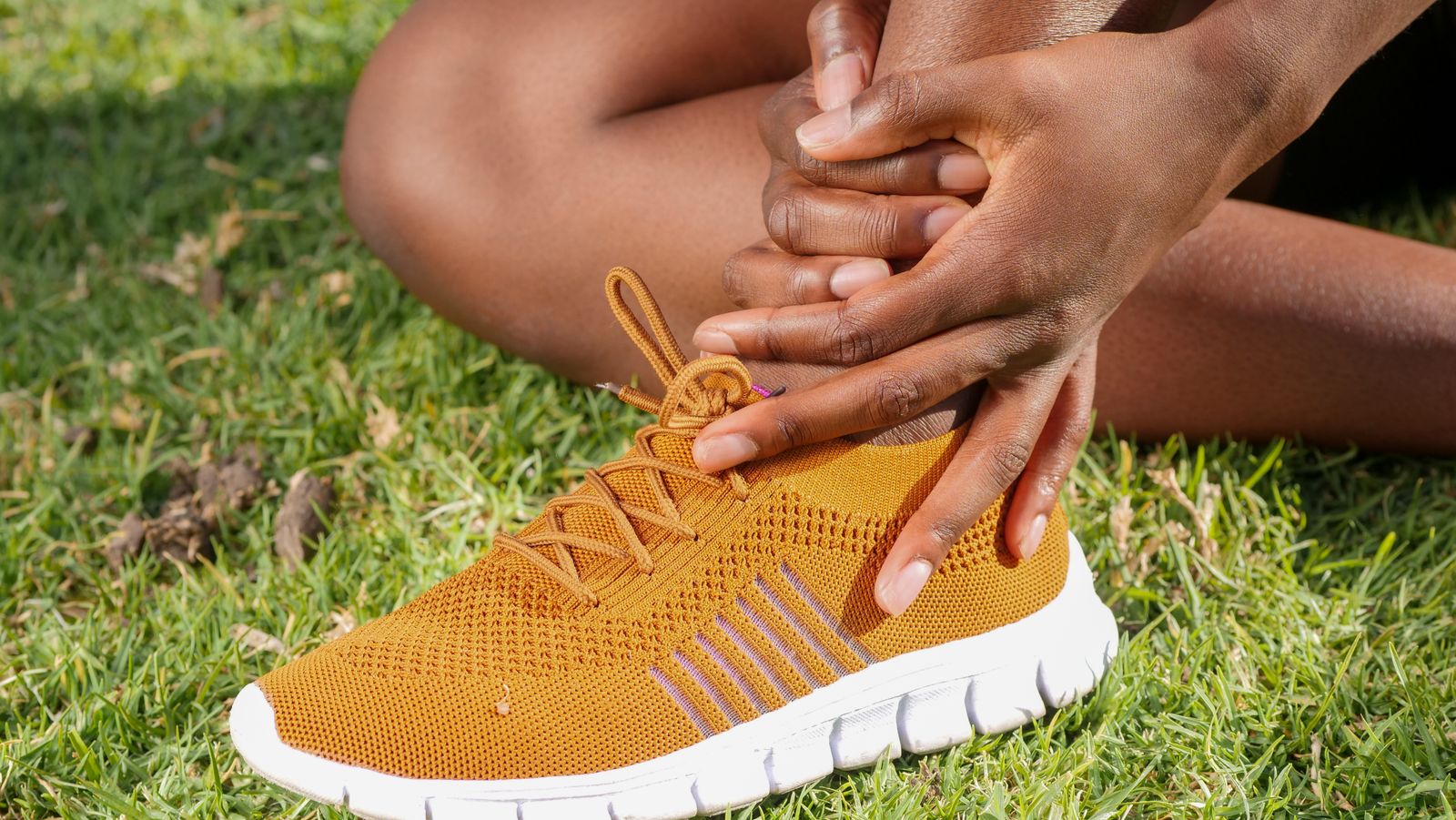
A PTTD page is not the same as a generic ankle sprain or sport-stabilizer page. The decision changes toward the inside of the ankle, the arch, walking tolerance, shoe compatibility, and whether the brace helps you stay aligned without over-tightening. A side-to-side sport stabilizer may be useful for some buyers, but it is not automatically the best answer if the main problem is medial ankle support and arch control.
If the real need is a fresh ankle sprain or rolling-ankle support, compare Best Ankle Stabilizer Canada or Best Lace-Up Ankle Brace Canada. If the priority is walking comfort, use Best Ankle Support for Walking Canada. For broad shopping, use Ankle Brace Best Canada or the Foot & Ankle Braces collection.
Recommended Medibrace ankle braces for PTTD-related shopping
Bauerfeind MalleoTrain S Ankle Brace

- Role: Best active PTTD brace route
- Support type: strap-guided ankle brace with medial/arch-support logic
- Price: $170.00
- Best PTTD shopping context: walking, errands, gym transitions, and inside-ankle support when shoe fit still matters
- Tradeoff: not as rigid as a boot or shell brace if the ankle cannot tolerate weight-bearing
Bauerfeind MalleoTrain Plus Ankle Brace

- Role: Best stronger-stability route
- Support type: ankle brace with extra strap support
- Price: $210.00
- Best PTTD shopping context: buyers who need more guidance than a simple sleeve around the inside ankle and arch area
- Tradeoff: bulkier than a basic sleeve and should be checked carefully in shoes
Bauerfeind MalleoTrain Ankle Brace

- Role: Best compression-first route
- Support type: knit compression ankle support
- Price: $170.00
- Best PTTD shopping context: milder swelling or comfort-first PTTD-related support when stability demand is lower
- Tradeoff: less corrective guidance than strap-supported options
BREG Wraptor Ankle Stabilizer

- Role: Best lace-up detour
- Support type: lace-up ankle stabilizer
- Price: $69.60
- Best PTTD shopping context: adjustable everyday support when strap tension and shoe compatibility drive the decision
- Tradeoff: not PTTD-specific; use when general ankle stabilization matters more than knit compression feel
Medial support vs compression sleeve vs lace-up stabilizer
| Route | Best PTTD-related context | Main advantage | When to choose another route |
|---|---|---|---|
| Strap-guided ankle brace | Inside-ankle support and walking confidence | Combines compression feel with guided support | Not enough if protected walking or immobilization is needed. |
| Stronger strap support | Sleeve feels too light or stability demand is higher | More structure without going straight to a boot | Check bulk and shoe fit carefully. |
| Compression ankle sleeve | Milder swelling and comfort-first support | Lower-bulk and easier under many shoes | Less guidance for medial support and arch control. |
| Lace-up stabilizer | Adjustable ankle support and general stability | Customizable tension and broad support feel | Not specifically a PTTD treatment plan. |
| Walking boot / assessment | Severe pain, unsafe walking, or clinician-directed protection | More protection when a brace is not appropriate | Should follow qualified guidance. |
Fit, use, and safety guidance
- Check the brace with the shoes you actually walk in; PTTD support fails if the brace creates foot pressure or heel slip.
- Do not tighten straps to force the arch into position; numbness, tingling, colour change, or increasing pain means the fit is not acceptable.
- Consider whether an insole, orthotic, or footwear change has been recommended; a brace alone may not solve the whole support problem.
- Use a more specific sprain or sport page if the main concern is rolling the ankle, cutting, jumping, or court sport.
- Seek qualified guidance for worsening inside-ankle pain, flattening arch, inability to do a heel raise, inability to bear weight, severe swelling, wounds, numbness, diabetes-related foot concerns, or post-surgical instructions.
Health and safety note: This Medibrace guide is general product-selection information only. It does not diagnose, prescribe, treat, cureor replace advice from a licensed clinician.
When this page is not the right route
This page is not the right route for acute trauma, suspected fracture, severe or rapidly worsening symptoms, unsafe walking, custom AFO/orthotic decisions, post-operative protocols, or a clinician-directed immobilization plan. It is also not the best route when the buyer mainly needs a sport ankle stabilizer, a broad walking support, or a simple compression sleeve for mild swelling.
Related Medibrace routes
FAQ
What is the best ankle brace for PTTD?
For PTTD-related shopping, start with an ankle brace that supports walking confidence, shoe fit, and the inside-ankle/arch area. Strap-guided braces often make more sense than a simple sleeve when stability or medial support is the main concern.
Is a compression ankle sleeve enough for PTTD?
A compression sleeve may fit milder swelling or comfort-first use, but it gives less guidance than a strap-supported ankle brace. If the foot is flattening, pain is increasing, or walking is difficult, product shopping should not replace clinician guidance.
Should I choose a walking boot instead of an ankle brace?
Use a walking boot route only when immobilization or protected walking has been recommended, or when pain, swelling, or weight-bearing problems make a regular brace unsafe. A brace is not a substitute for assessment when symptoms are severe or worsening.
When is this page not the right route?
This page is not the right route for suspected fracture, sudden severe pain, inability to bear weight, rapidly worsening swelling, numbness, wounds, diabetes-related foot concerns, post-surgical instructions, or a custom orthotic/AFO decision.