
Best Ankle Brace for Tendonitis Canada
Best Ankle Brace for Tendonitis Canada: Choose Support by Tendon Area, Shoe Fit, and Activity Level
Direct answer: The best ankle brace for tendonitis-related shopping in Canada depends on where the tendon area is irritated and what your day requires: knit compression feel for daily comfort, semi-rigid support for walking stability, rigid side control for lateral concerns, or an adjustable lace-up brace when activity and footwear change.
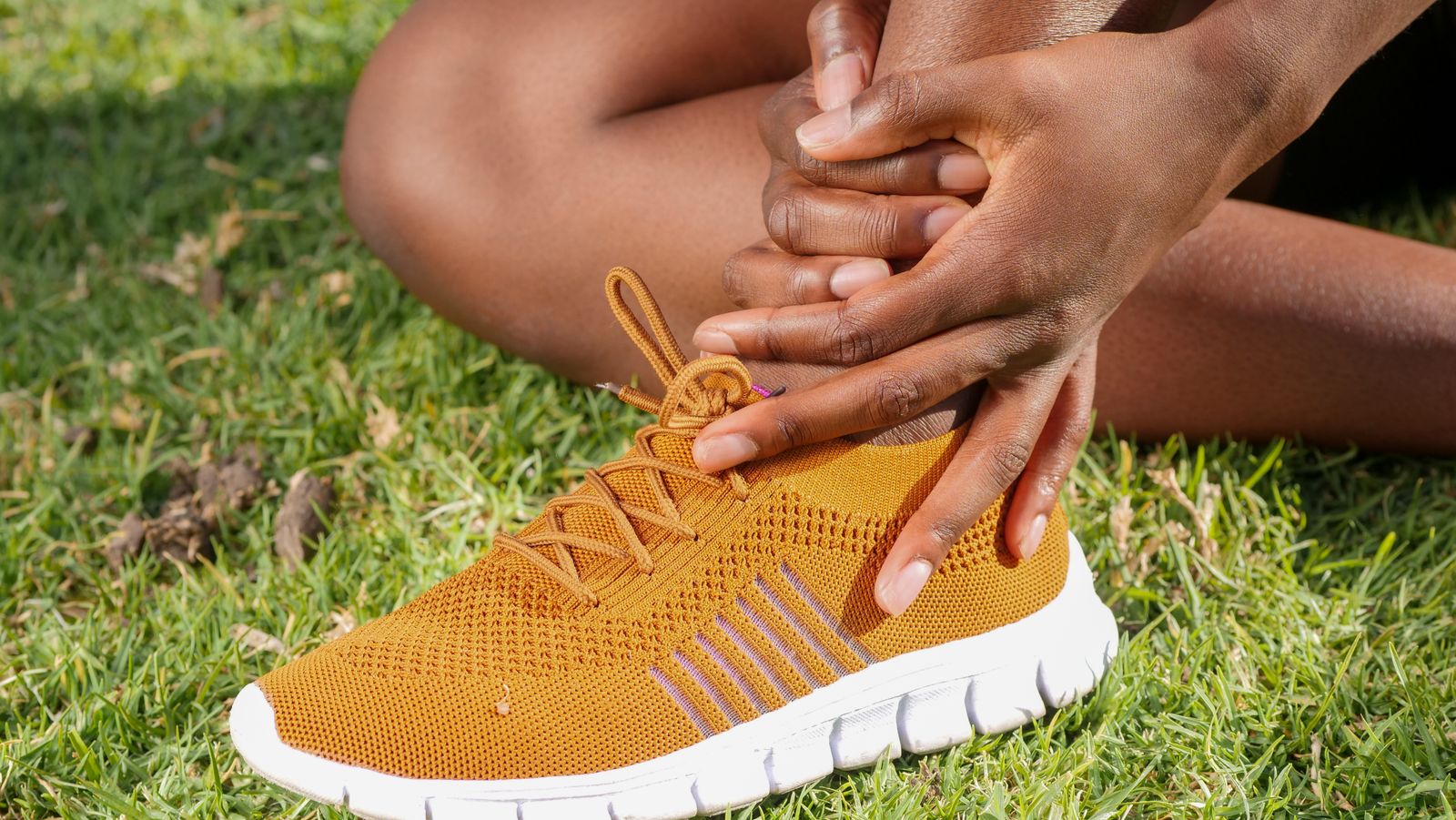
Canadian shopping route • Active Medibrace foot and ankle supports • Tendon-area support logic before checkout
Quick selector: choose by tendonitis shopping scenario
| If your ankle-tendon scenario is... | Choose this support type | Medibrace option | Why it fits this context |
|---|---|---|---|
| Mild tendon-area sensitivity during daily walking | Knit support with compression feel | Bauerfeind MalleoTrain S | Keeps the decision comfort-first when shoe fit and all-day wear matter. |
| Walking feels unstable or a sleeve feels too flexible | Semi-rigid ankle support | Aircast Airsport | Adds side confidence without jumping straight to a maximum sport brace. |
| Outer ankle or lateral-control concern is the main issue | Low-profile rigid/stirrup-style brace | Bauerfeind MalleoLoc | Prioritizes side control over compression feel. |
| Support needs change by footwear or activity | Adjustable lace-up brace | Corflex Marathon Active Lace-Up | Lets you tune tension and support on different days. |
| Uneven ground, sport-adjacent movement, or higher-demand use | High-stability active brace | ZAMST A2-DX White | A stronger active-support route when stability outweighs bulk concerns. |
What changes for ankle tendonitis-related support?
This page is not a fresh-sprain selector and not only an Achilles page. Tendon-area shopping changes the decision toward location, shoe friction, walking demands, and avoiding unnecessary rigidity. The right route may be a lower-bulk support for daily comfort, while stronger bracing makes more sense when stability or side control is the reason you are shopping.
If your concern is specifically the back of the ankle, compare Best Ankle Brace for Achilles Tendonitis Canada. If the decision is broad ankle-brace shopping, use Ankle Brace Best Canada. If walking is the main context, see Best Ankle Support for Walking Canada.
Recommended Medibrace ankle braces for tendonitis-related shopping
Bauerfeind MalleoTrain S Ankle Brace

- Role: Best comfort-first tendon-area support
- Support type: knit ankle support with strap guidance
- Price: $170.00
- Best for this tendonitis-shopping scenario: front, side, or general tendon-area sensitivity where gentle compression feel, shoe fit, and daily walking comfort matter more than rigid restriction
- Tradeoff: premium price and less side-to-side control than a rigid brace
Aircast Airsport Ankle Brace

- Role: Best practical walking stability route
- Support type: semi-rigid ankle support
- Price: $82.99
- Best for this tendonitis-shopping scenario: walking days where a soft sleeve feels too flexible and the ankle needs more side confidence without maximum sport bulk
- Tradeoff: more structured in footwear than a knit support
Bauerfeind MalleoLoc Ankle Brace

- Role: Best focused lateral-control option
- Support type: low-profile rigid/stirrup-style ankle brace
- Price: $240.00
- Best for this tendonitis-shopping scenario: outer-ankle or side-control concerns where lateral stability is the main shopping reason, not overall compression feel
- Tradeoff: less wraparound compression and warmth than a knit brace
Corflex Marathon Active Lace-Up Ankle Support w/Stabilizing Strap Ankle Brace

- Role: Best adjustable tension option
- Support type: lace-up ankle brace with stabilizing strap
- Price: $74.99
- Best for this tendonitis-shopping scenario: changing activity days, variable footwear, or shoppers who want to tune ankle support without choosing a full rigid sport brace
- Tradeoff: takes longer to put on and can feel bulkier under some shoes
Shop Corflex Marathon Active Lace-Up Ankle Support w/Stabilizing Strap Ankle Brace
ZAMST A2-DX White

- Role: Best high-stability active option
- Support type: rigid/lace-up style sport ankle brace
- Price: $103.99
- Best for this tendonitis-shopping scenario: sport-adjacent, uneven-ground, or higher-demand movement where stability is more important than minimal bulk
- Tradeoff: often more brace than needed for low-demand tendon-area comfort
Ankle brace comparison and tradeoffs
| Choice | Best use | Main advantage | Watchout |
|---|---|---|---|
| Knit ankle support | Daily comfort and shoe-friendly wear | Compression feel with lower bulk | Less side control |
| Semi-rigid brace | Walking stability | More confidence than a soft sleeve | More structure in shoes |
| Rigid/stirrup brace | Lateral-control priority | Focused side support | Less wraparound comfort |
| Lace-up brace | Variable footwear or activity | Adjustable tension | Slower on/off |
| High-stability sport brace | Higher-demand active use | Strongest active support here | Usually too much for simple daily comfort |
Fit, use, and safety guidance
- Match the brace to your real activity: walking, work shoes, uneven ground, sport-adjacent movement, or daily comfort.
- Choose the least bulky support that gives enough confidence for the task.
- Check where seams, straps, or rigid edges sit around the sore tendon area.
- Remove the brace if you notice numbness, tingling, colour change, coldness, rubbing, or increasing swelling.
- Use clinician guidance for new or severe symptoms, sudden popping, inability to bear weight, warmth/redness, circulation concerns, diabetes-related foot concerns, or post-surgical instructions.
When this page is not the right route
This selector is not the right route for a suspected tendon rupture, new major injury, fracture concern, post-operative protocol, walking boot decision, diagnosis question, or any situation where a clinician has given specific immobilization directions. It is also not the best route when the only question is sport performance; use a sport-specific ankle brace selector instead.
Health and safety note: This Medibrace guide is general product-selection information only. It does not diagnose, prescribe, or replace advice from a licensed clinician.
Related Medibrace routes
Choosing support for this use: This guide focuses on the ankle brace for tendonitis scenario, including fit, support level, activity demands, and when a different support may make more sense. If your need is different, compare: ankle brace for arthritis, ankle brace for everyday use, ankle brace for tennis. This helps separate the recommendation by activity, fit, support level, and when this page is not the right route.
FAQ
What ankle brace is best for tendonitis-related shopping?
Choose by the job you need the brace to do: knit compression feel for daily comfort, semi-rigid support for walking stability, rigid side control for lateral-control concerns, and adjustable lace-up support when footwear or activity changes.
Is this the same as choosing an Achilles tendonitis brace?
Not exactly. Achilles-focused shopping emphasizes the back of the ankle and heel-cord area. This broader tendonitis selector also considers inner-ankle, outer-ankle, front-ankle, walking, and side-stability decisions.
Should an ankle brace for tendonitis feel tight?
No. It should feel secure, not restrictive. Remove it if you notice numbness, tingling, colour change, coldness, rubbing, or increasing swelling.
When is this not the right route?
Do not self-select from this page for a new major injury, suspected rupture, inability to bear weight, severe swelling, warmth/redness, numbness, post-surgical directions, or a clinician-prescribed boot or immobilizer plan.