
Best Ankle Brace for Volleyball and Basketball Canada
Best Ankle Brace for Volleyball and Basketball Canada: Choose Court Support for Jumping, Landing, and Cuts
Direct answer: The best ankle brace for volleyball and basketball in Canada is a court-ready brace that fits sport shoes while supporting jumps, landings, lateral cuts, rebounds, blocks, and closeouts. Choose semi-rigid support when roll control matters most, lace-up support when adjustable lockdown matters, and lower-profile knit support when shoe fit and court feel are the limiting factors.
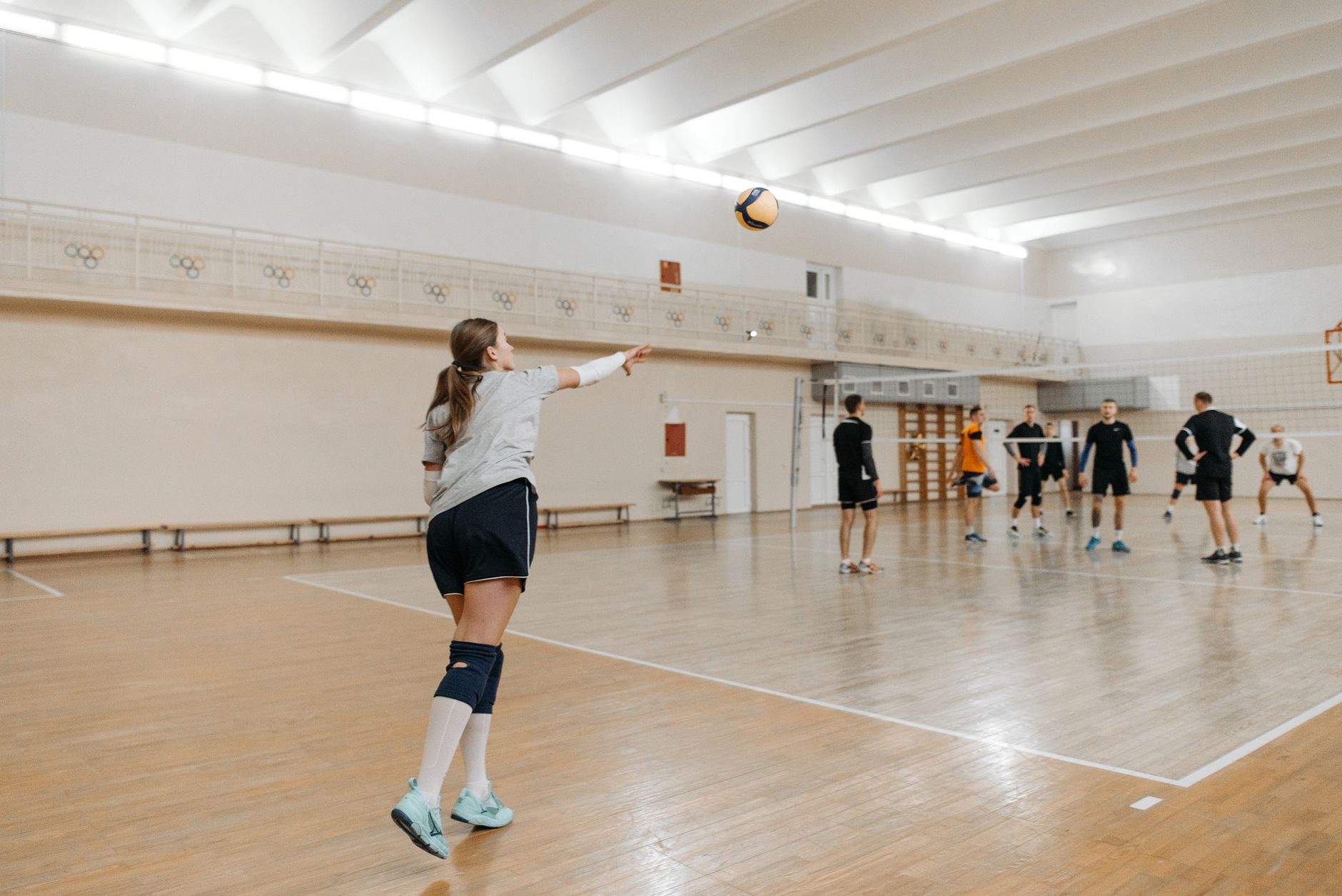
Canadian shopping route • Active Medibrace ankle supports • Court-sport selector for volleyball, basketball, shoe fit, and landing support
Quick selector: choose by court-sport scenario
| If your volleyball/basketball scenario is... | Choose this support type | Medibrace option | Why it fits court sports |
|---|---|---|---|
| You play both volleyball and basketball and want one brace | Court-stability ankle brace | Aircast Airsport Ankle Brace | Stability-first route for repeated jumps, landings, rebounds, blocks, closeouts, and lateral court traffic. |
| You need adjustable support before different practices or games | Lace-up ankle brace | Breg Lace-Up Ankle Brace | Useful when shoe/sock combinations change between volleyball, basketball, gym, and tournaments. |
| Landing support plus strap guidance matters | Lace-up brace with stabilizing strap | Corflex Marathon Active Lace-Up Ankle Support | Balances compression and strap guidance for cuts, shuffles, and landing confidence. |
| You want a lower-cost school or rec sport option | Wrap-style ankle stabilizer | BREG Wraptor Ankle Stabilizer | Simple sport support for casual court play without premium pricing. |
| Court-shoe bulk is the main blocker | Knit ankle support with strap | Bauerfeind MalleoTrain S Ankle Brace | Comfort-first route when low profile and movement feel matter more than maximum rigid control. |
What changes when the brace must work for both volleyball and basketball?
This page is different from a single-sport volleyball or basketball page because the brace has to survive two shoe environments and two court movement patterns. Volleyball emphasizes block jumps, landing near other feet, quick shuffles, and knee-pad/court-shoe compatibility. Basketball adds closeouts, rebounds, pivots, defensive slides, transition running, and tighter shoe-volume tradeoffs. The best shared brace is not simply the stiffest option; it is the most supportive brace that still fits both sport shoes without heel lift, numbness, or painful top-foot pressure.
If your decision is only volleyball, use the volleyball ankle-brace route. If the decision is only basketball ankle support, use Best Ankle Support for Basketball Canada. If you are shopping after a recent sprain, use the sprain-specific page or clinician guidance before choosing by performance feel.
Recommended Medibrace ankle braces for volleyball and basketball
Aircast Airsport Ankle Brace

- Role: Best stability-first court route
- Support type: semi-rigid ankle brace
- Price: $82.99
- Best volleyball/basketball scenario: volleyball blockers and basketball players who want stronger side-to-side guidance for jump landings, rebounds, closeouts, and crowded court traffic
- Tradeoff: More structured than a sleeve; confirm it fits court shoes without heel lift or top-of-foot pressure.
Breg Lace-Up Ankle Brace

- Role: Best adjustable lockdown route
- Support type: lace-up ankle brace
- Price: $109.99
- Best volleyball/basketball scenario: players who want tunable support before practice, tournaments, pickup runs, or mixed volleyball/basketball sessions
- Tradeoff: Lacing takes longer than a wrap and needs retensioning if socks or shoes change.
Corflex Marathon Active Lace-Up Ankle Support w/Stabilizing Strap Ankle Brace

- Role: Best lace-up plus strap route
- Support type: lace-up brace with stabilizing strap
- Price: $74.99
- Best volleyball/basketball scenario: court athletes who want lace-up compression plus strap guidance for cuts, shuffles, and landing control
- Tradeoff: Strap bulk must be tested in the actual volleyball or basketball shoe.
Shop Corflex Marathon Active Lace-Up Ankle Support w/Stabilizing Strap Ankle Brace
BREG Wraptor Ankle Stabilizer

- Role: Best value sport stabilizer
- Support type: wrap-style ankle stabilizer
- Price: $69.60
- Best volleyball/basketball scenario: school, recreational, or budget-conscious players who need a simple stabilizing route for court movement
- Tradeoff: Not as premium in fit feel as higher-priced sport braces.
Bauerfeind MalleoTrain S Ankle Brace

- Role: Best premium comfort route
- Support type: knit ankle support with strap
- Price: $170.00
- Best volleyball/basketball scenario: players who prioritize lower-profile comfort, repeated warmups, and movement feel over maximum rigid control
- Tradeoff: Less rigid than a semi-rigid brace when repeated ankle rolling is the main worry.
Compare semi-rigid, lace-up, wrap, and knit support
| Support route | Best court fit | Main advantage | Not the right route when... |
|---|---|---|---|
| Semi-rigid ankle brace | Jump landings, crowded net/paint play, repeated rolling concern | Stronger side-to-side guidance | It creates heel lift or pressure inside tight basketball shoes |
| Lace-up ankle brace | Mixed practices, adjustable lockdown, tournaments | Tunable compression and shoe fit | You need fastest on/off between games |
| Wrap stabilizer | School, rec, or budget-conscious court support | Simple stabilizing route | You need premium court feel or maximum roll control |
| Knit support with strap | Comfort-first athletes and lower-bulk preference | Better movement feel and less rigid structure | Repeated ankle rolling makes firmer support more appropriate |
Fit, use, and safety checks before court play
- Test the brace in both volleyball and basketball shoes with the socks you actually play in.
- Check jumping, block landings, rebounds, defensive slides, pivots, shuffles, and quick starts before using it in a full game.
- Do not size down to stop slippage; the brace should not cause numbness, tingling, colour change, heel lift, or painful edge marks.
- If you use braces on both ankles, confirm both shoes still feel balanced for takeoff, landing, and cutting.
- After a sudden twist or fall, do not choose by performance feel if swelling, deformity, numbness, weakness, or inability to bear weight is present.
When this page is not the right route
This page is for court-sport ankle brace shopping when volleyball and basketball both shape the decision. It is not the right route for a suspected fracture, major swelling, a prescribed walking boot, post-surgical instructions, new deformity, numbness, progressive weakness, or clinician-directed immobilization. Use a sprain-specific route, the general ankle-brace category, a single-sport page, or qualified medical advice instead.
Health and safety note: This Medibrace guide is general product-selection information only. It does not diagnose, treat, cure, prevent, prescribe, or replace advice from a licensed clinician.
Related Medibrace routes
FAQ
What is the best ankle brace for volleyball and basketball in Canada?
The best ankle brace for volleyball and basketball is usually a court-stability brace that fits inside sport shoes and supports repeated jumping, landing, lateral cuts, rebounds, blocks, and closeouts. Choose more structure when roll control matters; choose lower bulk when court-shoe fit is the limiting factor.
Is one ankle brace enough for both volleyball and basketball?
Often yes, if the brace fits both shoes and feels stable during jumps, landings, shuffles, and cuts. If one sport uses tighter shoes or needs more court feel, you may need to prioritize the shoe fit for that sport.
Should I choose lace-up or semi-rigid support for court sports?
Choose semi-rigid support when maximum side-to-side guidance is the priority. Choose lace-up support when adjustable lockdown, shoe fit, and all-practice comfort matter more.
When is this not the right route?
This page is not the right route for a suspected fracture, major swelling, a prescribed walking boot, post-surgical instructions, numbness, progressive weakness, or a clinician-directed plan.