
Best Ankle Brace for Volleyball Canada
Best Ankle Brace for Volleyball Canada
Direct answer: The best ankle brace for volleyball is usually a low-profile support that fits inside court shoes, helps with lateral cutting and landing confidence, and does not interfere with jumping, digging, or quick direction changes. Start with lace-up or strap-stabilizing support for court movement; choose a sleeve only when comfort and low bulk matter more than firm side control.
Quick selector
| If your volleyball need is... | Choose this support type | Medibrace option | Why it fits volleyball |
|---|---|---|---|
| Secure support for indoor court cuts, serve-receive movement, and repeated landings | Lace-up brace with stabilizing strap | Corflex Marathon Active Lace-Up Ankle Support | Good court-shoe balance of adjustability, side support, and price. |
| Premium support with an open heel feel | Open-heel knit brace with strap support | Bauerfeind MalleoTrain S Open Heel | Helpful when heel feel, proprioceptive comfort, and fit are priorities. |
| The lowest-profile brace inside tight volleyball shoes | Thin film-style ankle support | ZAMST Filmista Ankle | Best when bulk is the limiting factor and only lighter support is needed. |
| Budget-conscious recreational volleyball | Wrap-style ankle stabilizer | BREG Wraptor Ankle Stabilizer | Adjustable route for recreational play without premium pricing. |
| Firmer side-to-side control than a sleeve | Semi-rigid sport ankle brace | Aircast Airsport Ankle Brace | More structure for players prioritizing lateral control, if the shoe fit works. |
What changes for volleyball?
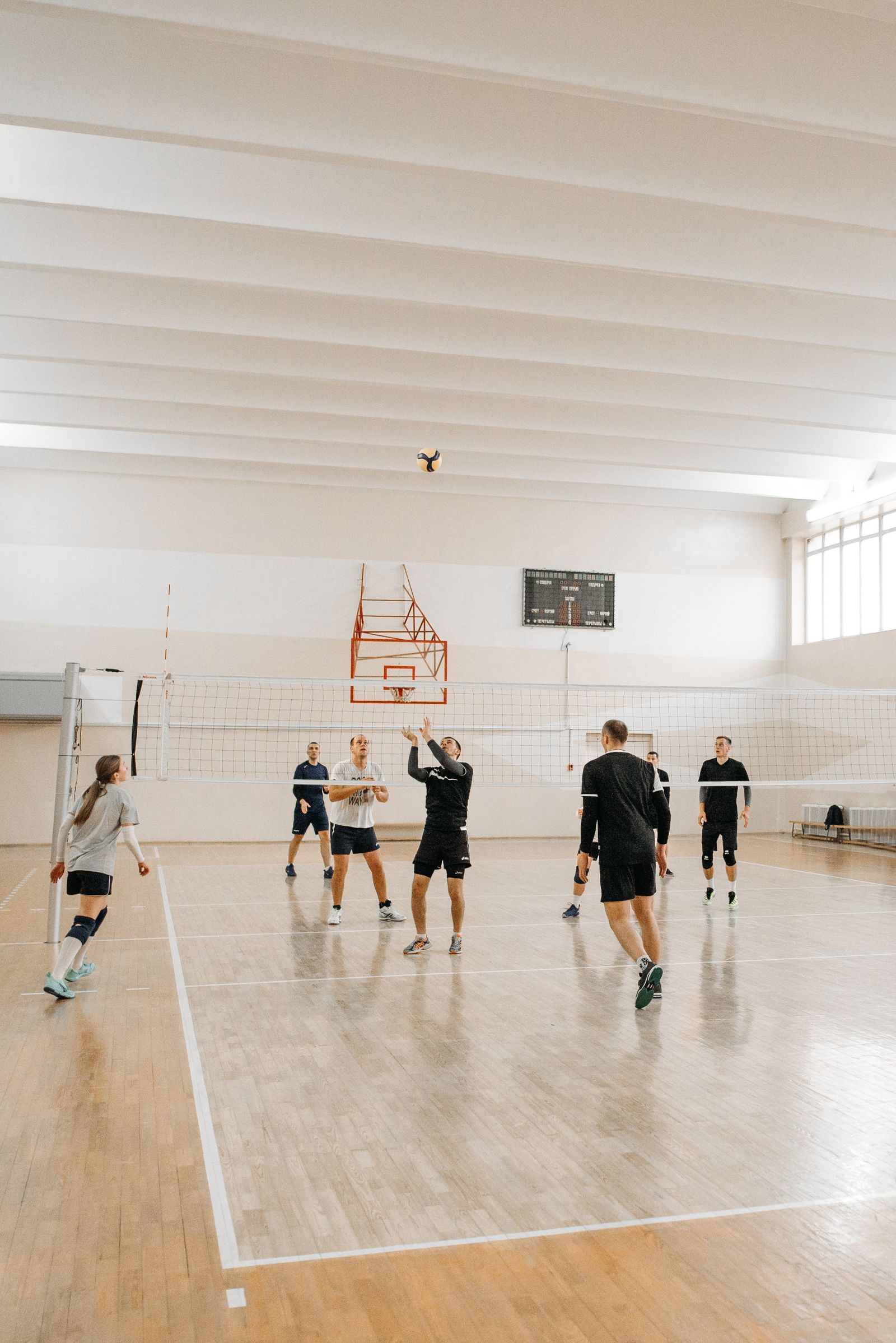
Volleyball is different from walking or general gym training because the ankle support has to work through fast lateral shuffles, block jumps, single-leg landings, and repeated small adjustments inside a court shoe. A brace that feels fine for daily wear can be too bulky for volleyball shoes, while a very thin sleeve may feel comfortable but not supportive enough for side-to-side court demands.
If your main goal is general ankle support, use the Ankle Brace Best Canada selector instead. If the page you need is running-specific, use Best Ankle Brace for Running Canada. If your concern is basketball or preventing repeated rolling feelings during court sport, compare Best Ankle Support for Basketball Canada and the broader Foot & Ankle category.
Recommended Medibrace volleyball ankle brace options
Corflex Marathon Active Lace-Up Ankle Support w/Stabilizing Strap Ankle Brace

- Role: Best lace-up court brace
- Support type: Lace-up ankle support with stabilizing strap
- Price: $74.99
- Best for volleyball: players who want a secure, shoe-friendly brace for cuts, starts, and quick court changes
- Tradeoff: more steps to put on than a sleeve
Shop Corflex Marathon Active Lace-Up Ankle Support w/Stabilizing Strap Ankle Brace
Bauerfeind MalleoTrain S Open Heel Ankle Brace

- Role: Best open-heel premium option
- Support type: Knit ankle brace with strap support and open heel
- Price: $170.00
- Best for volleyball: beach volleyball, indoor players who dislike heel coverage, or athletes prioritizing proprioceptive comfort
- Tradeoff: less rigid than a stirrup-style brace
Shop Bauerfeind MalleoTrain S Open Heel Ankle Brace
ZAMST Filmista Ankle

- Role: Best ultra-low-profile option
- Support type: Thin film-style ankle support
- Price: $65.99
- Best for volleyball: players who need the lowest profile possible inside tight volleyball shoes
- Tradeoff: lighter support than lace-up or stirrup designs
BREG Wraptor Ankle Stabilizer

- Role: Best value stabilizer
- Support type: Wrap-style ankle stabilizer
- Price: $69.60
- Best for volleyball: recreational players comparing support, price, and easy adjustment
- Tradeoff: bulkier than minimalist sleeves
Shop BREG Wraptor Ankle Stabilizer
Aircast Airsport Ankle Brace

- Role: Best stronger stirrup-style support
- Support type: Semi-rigid ankle sport brace
- Price: $82.99
- Best for volleyball: players who want firmer side-to-side control than a sleeve or simple strap
- Tradeoff: check shoe fit because it is more structured
Shop Aircast Airsport Ankle Brace
Lace-up vs sleeve vs stirrup for volleyball
| Support type | Best volleyball fit | Main advantage | Main limitation |
|---|---|---|---|
| Lace-up or strap stabilizer | Most indoor players comparing support and shoe fit | Adjustable side support without a hard frame | Takes longer to apply than a sleeve |
| Knit or open-heel brace | Players prioritizing comfort and feel | More wearable and flexible for movement | Usually less rigid than stirrup support |
| Ultra-low-profile sleeve/film support | Tight shoes or light support needs | Least bulk inside court shoes | Not the strongest option for lateral control |
| Semi-rigid stirrup-style brace | Players wanting firmer side-to-side control | More structured feel | Can be harder to fit in volleyball shoes |
Fit and safe use notes
- Try the brace with the exact volleyball shoes you play in, not just barefoot at home.
- Check for rubbing around the ankle bones, pressure across the top of the foot, or heel slippage.
- Practice short lateral shuffles and gentle jumps before returning to full practice intensity.
- Do not overtighten to create a false feeling of stability; numbness, tingling, or colour change means remove and reassess.
- Get assessed after a recent sprain, major swelling, bruising, inability to bear weight, repeated giving-way, or worsening pain.
This article is general product-selection information only. It is not a diagnosis, treatment plan, return-to-play clearance, or substitute for advice from a licensed clinician.
Related Medibrace routes
- Foot & Ankle Braces
- Ankle Brace Best Canada
- Best Ankle Brace for Running Canada
- Best Ankle Support for Basketball Canada
- Best Ankle Brace for Sprain Canada
FAQs
What is the best ankle brace for volleyball?
For volleyball, many players start with a low-profile lace-up or strap-stabilizing brace because it fits court shoes while adding side-to-side support. A sleeve can feel easier, while a stirrup-style brace is more structured.
Should a volleyball ankle brace fit inside court shoes?
Yes. Shoe fit matters because bulky braces can change foot position, create rubbing, or make quick movement uncomfortable. Test the brace with your volleyball shoes before full play.
Is a sleeve enough for volleyball?
A sleeve can be enough when comfort and light support are the main goals, but players wanting more side-to-side control often compare lace-up, strap, or stirrup-style supports.
When should I avoid playing and get assessed?
Get assessed after a recent sprain, major swelling, bruising, inability to bear weight, numbness, repeated giving-way, or worsening pain. A brace should not be used to push through a new injury.