
Best Back Brace for Football Canada
Best Back Brace for Football Canada: Low-Profile, Adjustable, or SI-Targeted Support
Direct answer: The best back brace for football in Canada is a low-profile lumbar or SI-targeted support that can be tested with pads, warm-up layers, blocking stance, sprinting, and sideline sitting. Choose broad lumbar support, breathable compression, adjustable tension, or a narrower SI belt based on support target and gear fit.
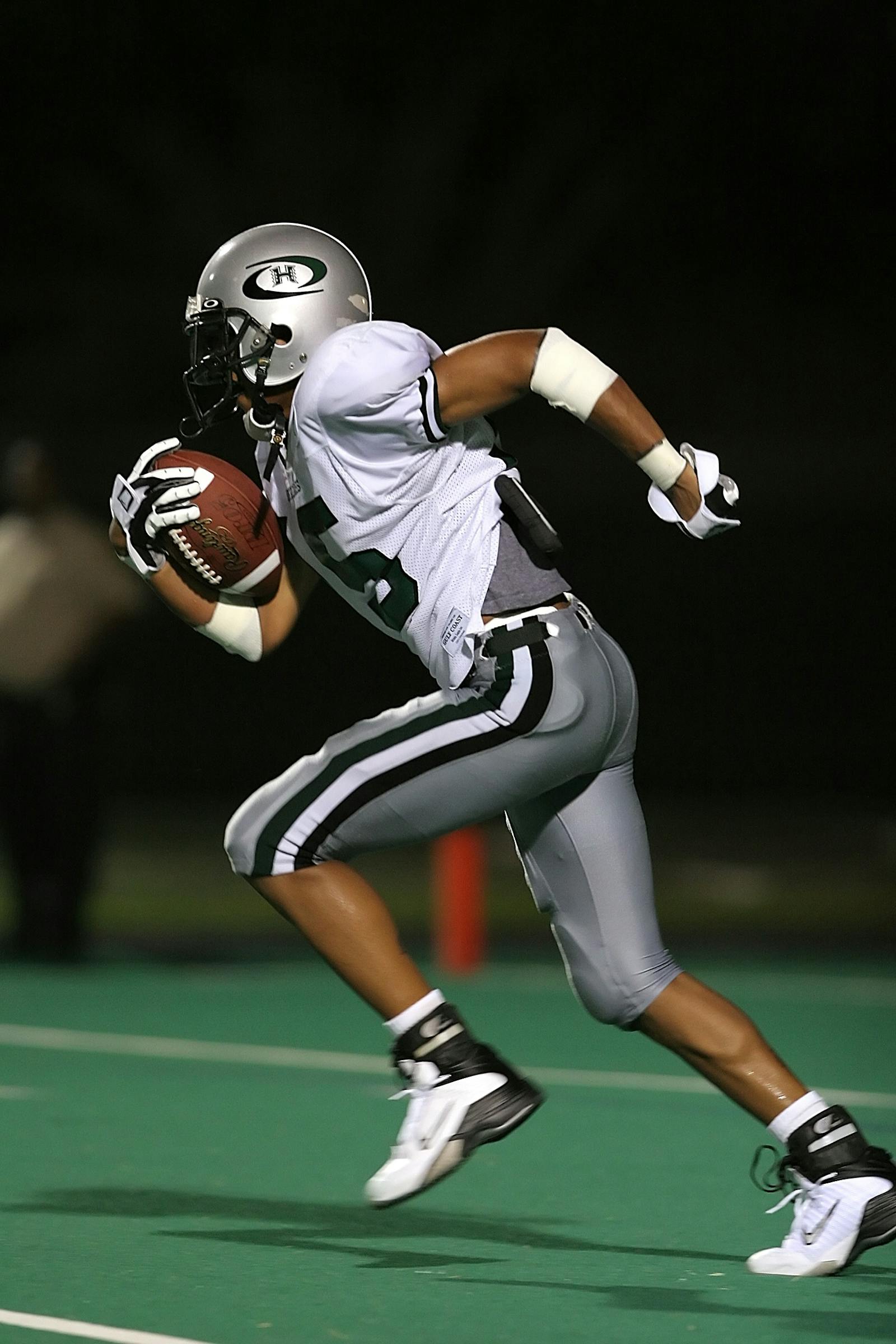
Canadian shopping route • Active Medibrace back supports • Football-specific guidance for pad fit, position demands, low-profile support, adjustability, and not-right-route decisions
Quick selector: choose by football scenario
| If this is your football scenario | Choose this support type | Medibrace option | Why it fits football |
|---|---|---|---|
| You want support that is easier to test under pads or warm-up layers | Low-profile lumbar stabilizing brace | Bauerfeind LordoLoc Back Brace | Cleaner than bulky lifting-style support when gear fit and movement matter. |
| You need breathable support for conditioning or controlled practice | Knit lumbar compression brace | Bauerfeind LumboTrain Back Brace | Prioritizes comfort and sweat-aware movement during non-contact or staged activity. |
| You need tension changes between warm-up, bench, and practice | Pulley lower-back support | MKO Pulley Back Brace | Useful when support needs change before and after drills, but bulk must be checked with pads. |
| The support target is lower around the pelvis/SI area | Sacroiliac belt | MedSpec S.I. Belt | A narrower option when the need is below the lumbar area rather than broad back coverage. |
| You want a simple sport-style support for short controlled activity | Elastic sport back stabilizer | McDavid Back Stabilizer | A straightforward sport-feel route, not a substitute for football protective equipment. |
What changes when the brace is for football?
A football page is different from a general back-brace, basketball, or heavy-lifting page. Football adds shoulder pads, hip pads, contact risk, blocking stance, sprint starts, cutting, sweating, and long sideline breaks. The strongest brace is not automatically the best if it clashes with pads, changes tackling or blocking mechanics, or feels too bulky to test safely in practice.
If you want broad shopping guidance, use Best Back Brace Canada. For broader sport comparison, use Best Sports Back Brace Canada. For court movement, use Best Back Brace for Basketball Canada. For gym loads, use Best Back Brace for Heavy Lifting Canada. For non-contact lumbar support, use Best Lower Back Brace Canada.
Recommended Medibrace back supports for football decisions
Bauerfeind LordoLoc Back Brace

- Role: Best low-profile under-pad route
- Support type: low-profile lumbar stabilizing brace
- Price: $260
- Best football context: football players who want lumbar support that is easier to test under practice gear, warm-up layers, or sideline use without a bulky lifting-belt feel
- Tradeoff: not collision protection and not a return-to-contact clearance device
Bauerfeind LumboTrain Back Brace

- Role: Best breathable compression route
- Support type: knit lumbar compression brace
- Price: $390
- Best football context: conditioning, controlled practice, non-contact drills, or sideline comfort where sweat and movement feel matter
- Tradeoff: higher price and less instant tension change than a pulley brace
MKO Pulley Back Brace

- Role: Best adjustable-tension route
- Support type: pulley lower-back support
- Price: $82.07
- Best football context: bench, warm-up, coaching, or staged practice where support tension may need to change before and after activity
- Tradeoff: bulkier under pads and less ideal for full-contact drills
MedSpec Sacroiliac (S.I.) Belt - Lumbar Support

- Role: Best SI/pelvic-target route
- Support type: sacroiliac belt
- Price: $69.99
- Best football context: when the support target is lower around the pelvis/SI area rather than broad lumbar coverage
- Tradeoff: too narrow if the buyer needs broad lower-back support
McDavid Back Stabilizer

- Role: Best simple sport-style route
- Support type: elastic sport back stabilizer
- Price: $79.99
- Best football context: short controlled football-related activity where a sport-style support feel is preferred
- Tradeoff: less refined than premium knit support and not protective football padding
Low-profile lumbar vs compression vs pulley vs SI belt
| Route | Best football use | Main advantage | Not the right route when... |
|---|---|---|---|
| Low-profile lumbar brace | Testing under pads, warm-ups, and controlled drills | Less bulky than a lifting-belt feel | You need collision protection or return-to-contact clearance |
| Knit compression brace | Conditioning, controlled practice, and comfort-focused support | Breathable movement comfort | You need instant tension changes |
| Pulley brace | Changing support between bench, warm-up, and activity | Fine-tunes tension | Bulk interferes with pads, stance, or sprinting |
| SI belt | Lower pelvic/SI support target | Narrower than broad lumbar braces | The support target is broad lower-back coverage |
| Sport stabilizer | Short controlled activity | Simple sport feel | You need premium fit, targeted SI support, or protective football gear |
Fit, use, and safety guidance for football
- Test the brace with the pads, practice layers, and pants you actually use.
- Check blocking stance, sprint starts, lateral cuts, sitting, and warm-up before full practice.
- The brace should not shift, pinch, restrict breathing, change stride, or alter tackling/blocking mechanics.
- Do not overtighten to compensate for symptoms; extra tension can change movement and gear fit.
- Stop and seek qualified guidance for contact trauma, sharp or worsening pain, radiating symptoms, numbness, weakness, fever, bowel or bladder changes, or post-procedure instructions.
Health and safety note: This Medibrace guide is general product-selection information only. It does not diagnose, prescribe, cure, or replace advice from a licensed clinician.
When this page is not the right route
This page is for shoppers comparing back supports for football-related, controlled activity and gear-fit decisions. It is not the right route for heavy lifting, broad non-sport lower-back support, clinician-directed immobilization, protective football equipment, or return-to-contact clearance. Use the related page that matches the actual activity, or get clinical guidance before contact play when symptoms are unclear.
Related Medibrace routes
FAQ
What back brace is best for football?
For football, the best back brace is usually a low-profile lumbar or SI-targeted support that can be tested with pads, practice layers, sideline sitting, warm-ups, and position-specific movement. It should not be treated as protective contact equipment.
Is a football back brace different from a lifting brace?
Yes. Football involves pads, contact risk, sprinting, blocking stance, cutting, sideline cooling, and repeated gear changes. A lifting-style brace may feel too bulky or rigid under football equipment.
Can I play football with back pain and a brace?
Do not use a brace to push through sharp, worsening, radiating, or contact-related symptoms. This page helps with product selection only; a licensed clinician or qualified sports professional should guide return-to-contact decisions.
When is this page not the right route?
Use the sports back-brace page for broad sport comparison, the basketball page for court movement, the heavy-lifting page for gym loads, and the lower-back page for non-contact daily support. Seek assessment for trauma, numbness, weakness, radiating pain, fever, bowel or bladder changes, or post-procedure instructions.