
Best Back Brace For Horseback Riding Canada
Best Back Brace For Horseback Riding Canada: Choose Low-Profile Lumbar Support for Saddle Fit and Stable Riding
Direct answer: The best back brace for horseback riding in Canada is usually a low-profile lumbar or lumbosacral support that can work with riding posture, saddle contact, mounting, dismounting, and barn chores. Choose adjustable side-pull support for longer rides, a simpler brace for lessons or trails, and an SI belt only when the support target is lower pelvic stability.
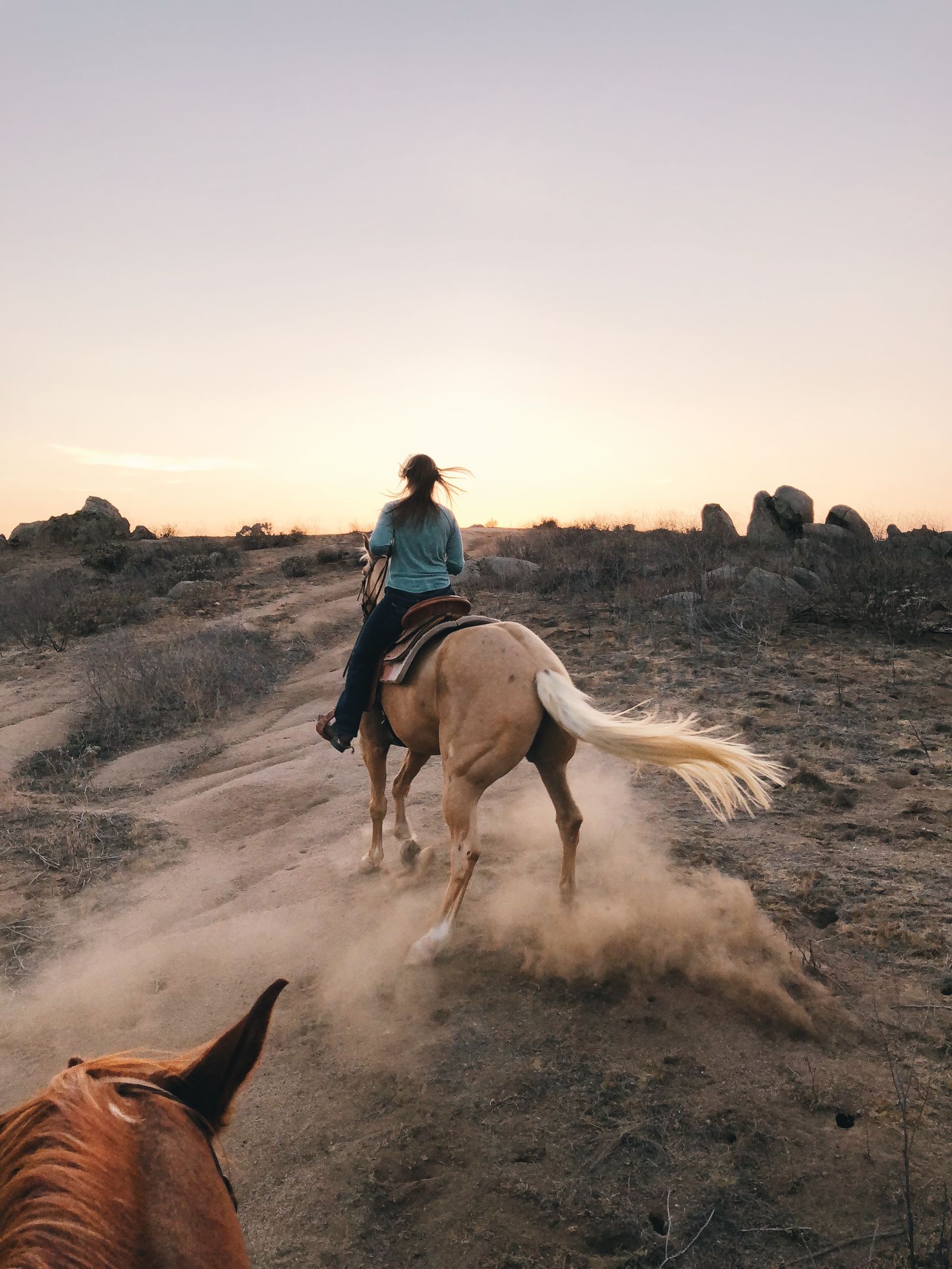
Canadian shopping route • Active Medibrace back supports • Low-profile lumbar, side-pull, lumbosacral, and SI-belt decision logic
Quick selector: match riding scenario to back support type
| If this is your horseback-riding scenario | Choose this support type | Medibrace option | Why it fits |
|---|---|---|---|
| You ride in a saddle and need low bulk | Low-profile lumbar support | McDavid Back Stabilizer | Keeps the horseback-riding decision focused on support that can sit under riding layers without a tall rigid profile. |
| You want a straightforward support for trail rides or lessons | Basic lumbar support | BREG Basic Lumbar Support | Simple route when adjustability is less important than easy, predictable support. |
| You need to adjust compression around mounting and longer rides | Side-pull lumbar support | BREG Back Support with Side Pulls | Side pulls let riders fine-tune support before and after time in the saddle. |
| Barn chores matter as much as riding | Durable lumbosacral support | MedSpec Back-n-Black | Better fit when the same brace must support riding-adjacent lifting, tack work, and barn tasks. |
| The question is SI-area support, not broad lumbar coverage | Sacroiliac belt | MedSpec S.I. Belt | Routes the shopper away from bulky lumbar braces when the support target is lower pelvic/SI stability. |
What changes for horseback riding?
A horseback-riding brace decision is different from a gym, lifting, or office-posture decision. The brace has to sit under riding layers, avoid fighting the saddle, allow controlled trunk movement, and stay predictable while mounting, posting, turning, and doing barn work. That is why this selector favours low-profile lumbar support before tall rigid braces.
If your main need is heavy lifting, use the lifting route in the related links. If your concern is posture at a desk, a posture corrector category is a better fit. If the issue follows a fall, acute injury, new numbness, weakness, or radiating symptoms, this page is not the right route; start with a licensed clinician.
Recommended Medibrace back brace options for riding
McDavid Back Stabilizer

- Role: Best athletic riding route
- Support type: low-profile back stabilizer
- Price: $79.99
- Best for this horseback-riding decision: riders who want a sport-style lumbar support that is easier to position under riding layers and around saddle movement
- Tradeoff: not a rigid medical brace and not the right route for acute injury or new neurological symptoms
BREG Basic Lumbar Support

- Role: Best simple lumbar support route
- Support type: basic lumbar support
- Price: $129.99
- Best for this horseback-riding decision: trail or schooling riders who want straightforward support without a tall, bulky brace profile
- Tradeoff: less adjustable than side-pull designs
BREG Back Support with Side Pulls

- Role: Best adjustable compression route
- Support type: side-pull lumbar support
- Price: $117.63
- Best for this horseback-riding decision: riders who want to fine-tune compression before and after mounting, posting, or longer barn sessions
- Tradeoff: side pulls can feel bulky if the brace sits under a tight jacket or rubs near the saddle
MedSpec Back-n-Black Back Support

- Role: Best durable work-and-barn support
- Support type: lumbosacral back support
- Price: $108.21
- Best for this horseback-riding decision: riders who also lift tack, hay, feed, or equipment and want a sturdier support route beyond the ride itself
- Tradeoff: more brace presence than a very minimal riding support
MedSpec Sacroiliac (S.I.) Belt - Lumbar Support

- Role: Best SI-focused route
- Support type: sacroiliac support belt
- Price: $69.99
- Best for this horseback-riding decision: riders whose main support question is lower pelvic/SI-area stability rather than broad lumbar coverage
- Tradeoff: not a full back brace and should not be used as a workaround for new or worsening symptoms
Low-profile lumbar brace vs side-pull brace vs SI belt
| Support route | Best use while riding | Main advantage | Main limitation |
|---|---|---|---|
| Low-profile back stabilizer | Riding layers, lessons, and general saddle comfort | Less bulk around the waist and saddle | Less corrective control than taller medical braces |
| Basic lumbar support | Simple trail, schooling, or barn-day support | Easy support route without overcomplicating fit | Less compression adjustability |
| Side-pull lumbar support | Longer rides or variable compression needs | Adjustable support before and after riding | Pull tabs may feel bulky under tight clothing |
| Lumbosacral work support | Riding plus tack, feed, hay, and barn chores | More durable work-and-ride support | More brace presence than minimal supports |
| SI belt | Lower pelvic/SI-area support questions | Targets a different support zone than lumbar braces | Not broad lumbar coverage |
Fit, use, and safety guidance
- Test the brace with riding pants, belt loops, and your saddle position before committing to a long ride.
- Check that the brace does not bunch, pinch, or push against the saddle while seated or posting.
- Use side-pull compression modestly; more tightness is not automatically better and can limit breathing or movement.
- Re-check comfort after mounting, dismounting, grooming, lifting tack, and bending around the barn.
- Stop riding and seek clinical guidance if symptoms are new, worsening, linked to a fall, or include numbness, weakness, or radiating symptoms.
Health and safety note: This Medibrace guide is general product-selection information only. It is not medical advice and does not replace guidance from a licensed clinician.
When this page is not the right route
This page is not for acute falls, suspected fracture, new neurological symptoms, post-surgery instructions, prescribed rigid bracing, or a custom orthosis plan. It is also not the best route for desk posture, heavy warehouse lifting, or general lower-back education when the riding context does not matter. Use the related back brace category or clinician guidance when those routes fit better.
Related Medibrace routes
FAQ
What is the best back brace for horseback riding in Canada?
For horseback riding, the best back brace is usually a low-profile lumbar or lumbosacral support that can sit comfortably with riding layers, saddle posture, mounting, dismounting, and barn tasks. Choose more adjustability only when you need compression control around longer rides.
Should I use a rigid back brace while riding?
A rigid or tall brace can interfere with saddle fit, trunk movement, and comfort. If a rigid brace has been prescribed, follow clinician guidance. For general shopping, low-profile lumbar support is usually the more practical horseback-riding route.
Is an SI belt better than a back brace for riding?
An SI belt is better only when the support target is lower pelvic or SI-area stability. If you need broader lumbar coverage for riding posture or barn lifting, a lumbar back support is usually the better category route.
When is this not the right page?
This page is not the right route for a fall, acute injury, new weakness, numbness, radiating symptoms, post-surgery instructions, or a prescribed rigid brace. In those cases, use clinician guidance before choosing a product.