
Best Back Brace for Lifting Canada
Best Back Brace for Lifting Canada: Choose Support by Load, Fit, and Work Pattern
Direct answer: The best back brace for lifting in Canada depends on the lift pattern. Choose adjustable pulley compression for task-based lifting, a practical work support for repeated warehouse or yard lifts, and a structured lumbar brace when you need support that also works for walking, bending, and daily movement between lifts.
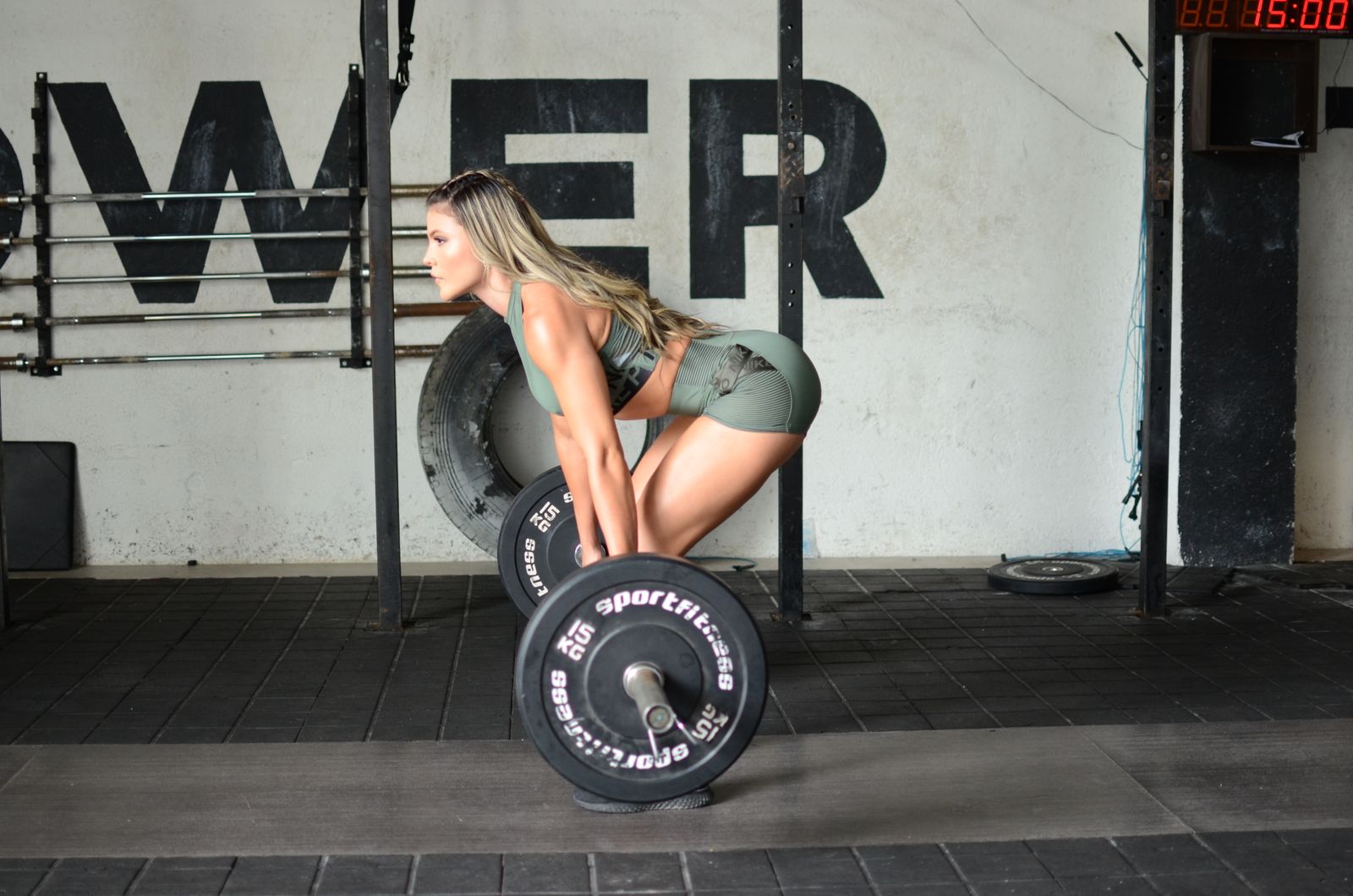
Canadian shopping route • Active Medibrace back supports • Work, gym, and daily-lifting support logic
Quick selector: match the lifting scenario to the support type
| If your lifting scenario is... | Choose this support type | Medibrace option | Why it fits lifting |
|---|---|---|---|
| Task-based lifting where you tighten support before the lift | Pulley-style lumbar brace | MKO Pulley Back Brace | Adjustable compression for lift periods and easier relaxation between tasks. |
| Repeated warehouse, stockroom, yard, or jobsite lifting | Workday back support | MedSpec Back-n-Black | Practical work-support route for repetitive tasks and longer shifts. |
| Mixed lifting, walking, sitting, and bending | Lower-profile lumbar brace | Bauerfeind LordoLoc | Better when brace bulk and daily movement matter as much as support. |
| You want a stronger structured lumbar brace feel | Structured lumbar brace | Bauerfeind LumboLoc | A step-up support route for controlled lifting and daily movement. |
| Premium comfort for varied lifting and standing | Premium knit back brace | Bauerfeind LumboTrain | More anatomical feel for users who need support across the whole day. |
What changes when the page is about lifting?
A general lower-back selector can focus on everyday support. A lifting selector has to account for the moment of load, repeated hinge patterns, twisting risk, sweat, belt bulk, whether the brace catches on clothing, and whether you sit or walk between tasks. The best route is often the brace you can position consistently before lifting, not simply the firmest brace in the collection.
If your main question is broad lower-back support, use Best Lower Back Brace Canada. If pain with sciatica-like symptoms is the reason you are shopping, use Best Back Brace for Lower Back Pain and Sciatica Canada and consider clinician guidance. If you need a powerlifting belt for competition technique, this page is not the right route.
Recommended Medibrace back braces for lifting
MKO Pulley Back Brace

- Role: Best value lifting support route
- Support type: pulley-style lumbar brace
- Price: $82.07
- Best for lifting: workers or gym users who want adjustable lumbar compression before a lifting task, then easier relaxation between sets or shifts
- Tradeoff: not as premium or contoured as higher-priced Bauerfeind lumbar supports
MedSpec Back-n-Black Back Support

- Role: Best workday lifting support
- Support type: industrial-style back support
- Price: $108.21
- Best for lifting: repetitive warehouse, stockroom, yard, or jobsite lifting where a practical work support is preferred over a premium knit brace
- Tradeoff: more work-belt feel than low-profile medical lumbar braces
Bauerfeind LordoLoc Back Brace

- Role: Best lower-profile lumbar brace
- Support type: lumbar brace
- Price: $260.00
- Best for lifting: lifting days where support is wanted without a bulky work-belt profile, especially when sitting, bending, and walking are mixed into the day
- Tradeoff: less compression-adjustment emphasis than pulley-style work braces
Bauerfeind LumboLoc Back Brace

- Role: Best structured lumbar brace step-up
- Support type: structured lumbar brace
- Price: $340.00
- Best for lifting: shoppers who want a more supportive lumbar brace feel for controlled lifting, work tasks, and daily movement around lifts
- Tradeoff: higher price and more brace presence than entry-level supports
Bauerfeind LumboTrain Back Brace

- Role: Best premium knit lumbar support
- Support type: premium knit back brace
- Price: $390.00
- Best for lifting: users who want a more anatomical, comfortable brace for mixed lifting, standing, walking, and daily wear
- Tradeoff: not the lowest-cost choice and not a substitute for training, ergonomics, or clinician guidance
Back brace vs work support vs weightlifting belt
| Support route | Best lifting use | Main advantage | Main limitation |
|---|---|---|---|
| Pulley lumbar brace | Task-based lifting and adjustable compression | Easy to tighten before a lift | Can feel more brace-like under clothing |
| Work back support | Repeated jobsite or warehouse tasks | Practical workday feel | Less premium than anatomical knit braces |
| Structured lumbar brace | Controlled lifting plus daily movement | Support without a pure work-belt feel | Higher cost than entry supports |
| Premium knit brace | Mixed lifting, standing, walking, and comfort | Comfortable all-day route | Not the lowest-price option |
| Strength-sport belt | Powerlifting or Olympic lifting technique | Training-specific tool | Not the Medibrace medical-support route on this page |
Fit, use, and safety guidance for lifting
- Measure at the waist or torso location requested by the product size chart; do not size down for extra pressure.
- Test the brace with the exact movement pattern: floor lift, shelf lift, carry, hinge, squat, or repeated bend-and-reach task.
- The brace should not restrict breathing, change leg sensation, dig into the ribs or hips, or shift when you bend.
- Use lighter practice reps or lower-load tasks first before relying on the brace during longer work or gym sessions.
- Pair the brace decision with load management, technique, breaks, and workplace ergonomics where relevant.
When this page is not the right route
This page is for choosing a Medibrace back support for lifting scenarios. It is not the right route for new trauma, severe or worsening pain, numbness, weakness, bowel or bladder changes, fever, post-procedure restrictions, return-to-work clearance, or a sport-specific weightlifting belt decision. Use a licensed clinician for medical symptoms and a qualified coach or workplace safety professional for technique and job-task questions.
Health and safety note: This Medibrace guide is general product-selection information only. It does not diagnose, prescribe, or replace advice from a licensed clinician.
Related Medibrace routes
FAQ
What back brace is best for lifting?
For lifting, the best back brace is the lowest-bulk lumbar support that matches the load and work pattern: adjustable pulley compression for task-based lifts, work-belt support for repetitive job tasks, and a structured lumbar brace when daily movement and support need to be balanced.
Is a back brace for lifting the same as a weightlifting belt?
No. A Medibrace back brace is a lumbar support product for general lifting and daily tasks. A strength-sport weightlifting belt is a separate training tool, usually selected around bracing technique, federation rules, and coaching preference.
When is this selector not the right route?
This selector is not the right route for a new injury, severe symptoms, numbness, weakness, post-procedure restrictions, or return-to-work decisions that need a licensed clinician or workplace safety professional.