
Best Back Brace for Working Out Canada
Best Back Brace for Working Out Canada: Choose Support by Training Style and Movement
Direct answer: The best back brace for working out in Canada is usually a movement-friendly back stabilizer or low-profile lumbar support, not the stiffest brace available. Choose by training style, set-by-set adjustability, torso bulk, and whether your need is gym movement, heavy-object work, posture support, or clinical guidance.
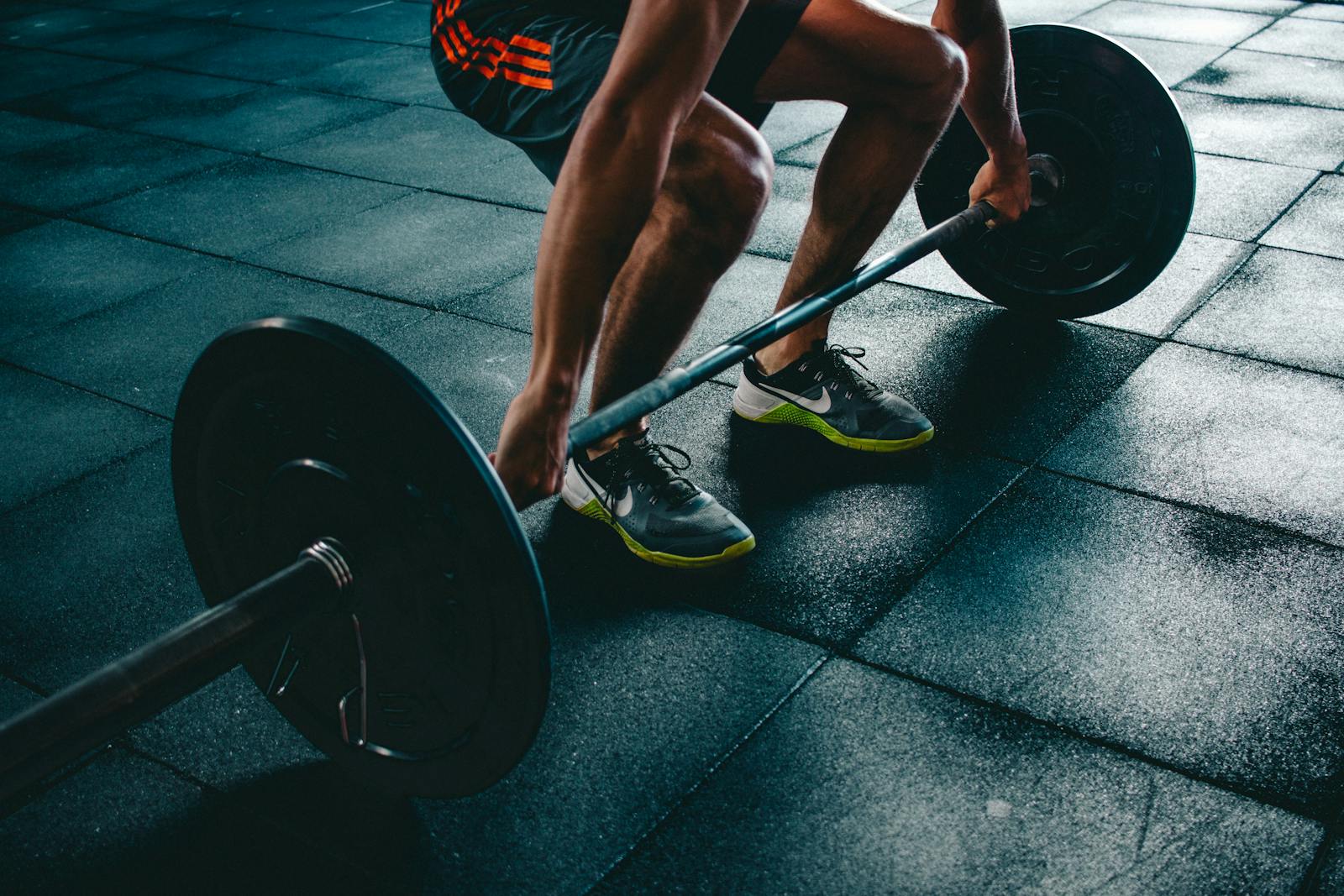
Canadian buyer route • Active Medibrace back supports • Workout-specific support logic before checkout
Quick selector: choose by workout scenario
| If your workout need is... | Choose this support type | Medibrace option | Why it fits this workout scenario |
|---|---|---|---|
| Gym sessions where movement comfort matters | Athletic back stabilizer | McDavid Back Stabilizer | Lower-bulk active route for conditioning, core work, and lighter lifting. |
| Set-by-set adjustability around resistance training | Pulley lumbar support | MKO Pulley Back Brace | Can be tightened around selected sets and loosened between exercises. |
| Warm-ups, machines, or controlled training | Targeted back wrap | Corflex Target Back Wrap | Simpler wrap-style support when you do not want a high-bulk brace. |
| Comfort-first mixed gym and daily movement | Knit lumbar brace | Bauerfeind LumboTrain Back Brace | Premium comfort route for standing, walking, and light-to-moderate training days. |
| Workday and gym crossover | Elastic back support | MedSpec Back-n-Black Back Support | Useful when workouts overlap with chores, physical work, or lifting tasks. |
What changes for working out?
A workout page should not simply copy a heavy-lifting or posture page. Training changes the selector logic toward mobility, breathing room, sweat/heat, range of motion, and whether you can loosen support between exercises. For machines, warm-ups, and controlled resistance training, low bulk matters. For heavier sets, adjustability matters. For desk posture or work shifts, a different page is usually the better route.
If your main scenario is moving boxes or jobsite loads, use Best Back Brace for Lifting Heavy Objects Canada. If you need shift-long support, use Best Back Brace for Work Canada. If the goal is desk posture or shoulder rounding, use Best Back Brace for Posture Canada. If symptoms radiate, worsen, or were assessed clinically, compare Best Back Brace for Lower Back Pain and Sciatica Canada or follow clinician guidance.
Recommended Medibrace back braces for working out
McDavid Back Stabilizer

- Role: Best active workout route
- Support type: athletic back stabilizer
- Price: $79.99
- Best for working out: gym sessions, core work, conditioning, and lighter lifting where movement comfort matters
- Tradeoff: not a substitute for lifting technique or a powerlifting belt
MKO Pulley Back Brace

- Role: Best adjustable lumbar route
- Support type: pulley lumbar support
- Price: $82.07
- Best for working out: workouts where you want to tighten support around sets and loosen between exercises
- Tradeoff: more brace-like than many gym users need for simple mobility work
Corflex Target Back Wrap

- Role: Best low-profile wrap route
- Support type: targeted back wrap
- Price: $114.50
- Best for working out: buyers who want a simpler wrap-style support for warm-ups, machines, or controlled training
- Tradeoff: less structured than pulley or premium lumbar braces
Bauerfeind LumboTrain Back Brace

- Role: Best premium comfort route
- Support type: knit lumbar brace
- Price: $390.00
- Best for working out: standing gym work, walking, light-to-moderate resistance training, and shoppers who prioritize comfort
- Tradeoff: premium price and not designed to let you overload movements
MedSpec Back-n-Black Back Support

- Role: Best work-to-gym crossover
- Support type: elastic back support
- Price: $108.21
- Best for working out: people who alternate workouts with physical work, chores, or lifting tasks
- Tradeoff: more work-support oriented than sport-specific
Workout stabilizer vs pulley brace vs work support
| Route | Best workout use | Main advantage | Main limitation |
|---|---|---|---|
| Athletic back stabilizer | Controlled gym sessions, active chores, lighter lifting | Movement-friendly and lower bulk | Not a powerlifting belt |
| Pulley lumbar support | Adjustable support around selected sets | Easy tension changes | More brace-like feel |
| Targeted back wrap | Warm-ups, machines, controlled resistance | Simpler profile | Less structured support |
| Elastic work support | Work-to-gym crossover | Practical daily support | More work oriented than sport specific |
Fit, use, and safety guidance
- Measure from the product sizing chart; workout fit should allow breathing, bracing, and controlled movement.
- Test the brace with warm-ups before using it during heavier sets or longer sessions.
- Tighten support only as needed for selected exercises; avoid wearing maximum tension through the entire workout.
- Do not use a brace to add load, ignore technique, or push through escalating pain.
- Stop and get assessed for new severe pain, pain after a fall, weakness, numbness, spreading symptoms, loss of coordination, or worsening symptoms.
When this page is not the right route
This page is for choosing back support around workouts and controlled training. It is not the right route for competitive powerlifting-belt selection, warehouse lifting, long work shifts, posture-only shopping, post-procedure instructions, or symptoms that need clinical assessment. Use the related page or the full back-brace collection when your scenario is broader than working out.
Health and safety note: This Medibrace guide is general product-selection information only. It does not diagnose, cure, prevent, or replace advice from a licensed clinician, trainer, or workplace safety professional.
Related Medibrace routes
FAQ
What type of back brace is best for working out?
For workouts, start with a movement-friendly back stabilizer or low-profile lumbar support. Move to a more adjustable pulley brace only when you need firmer set-by-set support and can still move safely.
Is a workout back brace the same as a lifting belt?
No. These Medibrace options are support braces, not powerlifting belts. A lifting belt is a training tool for bracing under heavy barbell loads; a back brace should be chosen for comfort, fit, and appropriate support, not for adding load.
When is this not the right page?
Use the heavy-object lifting page for warehouse or moving loads, the work page for long shifts, the posture page for desk or shoulder-position habits, and clinician guidance for new, severe, spreading, weak, numb, or worsening symptoms.
Can I work out while wearing a back brace?
Some people use a support during selected exercises, but it should not force painful movement or replace technique, load management, warm-ups, and professional advice when symptoms are concerning.