
Best Compression Socks for Nurses with Large Calves Canada
Best Compression Socks for Nurses with Large Calves Canada: Choose by Shift, Cuff, and Fit
Direct answer: The best compression socks for nurses with large calves in Canada are knee-high socks or stockings chosen by measured calf size, cuff comfort, shift length, and shoe volume. Start with a wide-calf 20-30 mmHg route when standard cuffs roll or dig; compare cushioned, opaque, or casual socks only when the size chart fits.
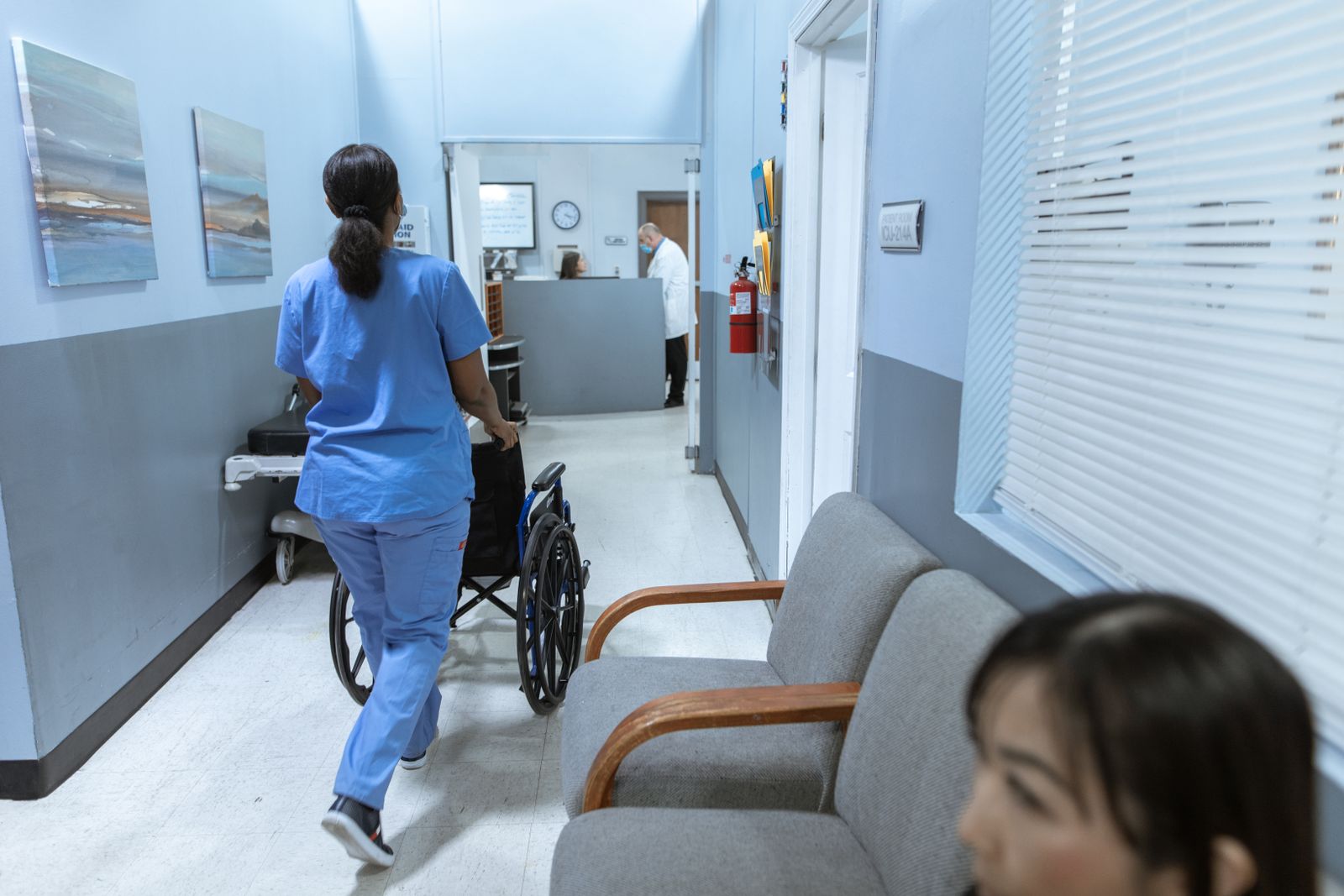
Canadian shopping route • Active Medibrace compression socks and stockings • Large-calf nurse guidance for shifts, cuffs, shoes, and measured fit
Quick selector: choose by large-calf nursing-shift scenario
| If this is your nursing scenario | Choose this support type | Medibrace option | Why it fits nurses with large calves |
|---|---|---|---|
| Standard cuffs roll, bind, or dig by mid-shift | 20-30 mmHg wide-calf knee-high sock | Bauerfeind VenoTrain Micro Wide Calf | Routes the decision to measured calf fit instead of forcing a standard top band. |
| 12-hour hospital shifts, hard floors, lots of walking | Cushioned knee-high compression sock | Levaire Active Cushion | Useful when your measured size fits and underfoot comfort matters with roomy shoes. |
| You want lower shoe bulk but still prefer opaque coverage | Opaque knee-high stocking | Levaire Opaque Knee High | A lighter below-knee route when cushion is too bulky and the calf chart still fits. |
| Mixed standing, walking, and commuting days | Casual knee-high compression sock | Levaire Casual Wear | Sock-style feel can work when wide-calf sizing is not required by measurement. |
| You measure within regular calf sizing but want 20-30 mmHg | Soft 20-30 mmHg regular-calf sock | Bauerfeind VenoTrain Soft | A regular-calf comparison route, not a shortcut if the cuff rolls or digs. |
Shop Compression Socks & Stockings
What changes when nurses have large calves?
This is not just the general nurse compression-sock decision with large-calf wording added. Calf measurement comes before colour, pattern, or brand. A sock that feels fine for the first hour can roll, bind, or leave a sharp top-band mark after rounds, charting, stairs, and commuting. Nurses with large calves should compare wide-calf measured routes against regular-calf socks that only work when the product chart actually fits.
If calf size is not the blocker, use Best Compression Socks for Nurses Canada. If the buyer wants stocking formats, use Best Nurse Compression Stockings Canada. If pregnancy changes swelling or measurements, use Best Compression Socks for Pregnant Nurses Canada. If the decision is broader than nursing shifts, use Best Wide-Calf Compression Socks Canada. Male-nurse fit and shoe-style guidance belongs on Best Compression Socks for Male Nurses Canada.
Recommended Medibrace compression options for nurses with large calves
Bauerfeind VenoTrain Micro Knee-High Compression Socks 20-30 mmHg, Wide Calf

- Role: Best wide-calf measured route
- Support type: 20-30 mmHg wide-calf knee-high compression sock
- Price: $130.99
- Best large-calf nursing context: nurses whose calf measurement or top-band comfort makes standard calf socks roll, bind, or dig during long shifts
- Tradeoff: wide-calf still requires accurate ankle/calf measurement and is not automatically the right pressure range
Shop Bauerfeind VenoTrain Micro Knee-High Compression Socks 20-30 mmHg, Wide Calf
Levaire Active Cushion Compression Sock

- Role: Best cushioned shift route
- Support type: cushioned knee-high compression sock
- Price: $64.5
- Best large-calf nursing context: nurses with large calves who also need underfoot comfort for hard floors and shoes with enough volume
- Tradeoff: cushioning can feel bulkier in tight clogs or dress shoes
Levaire Opaque Knee High Compression Stocking

- Role: Best lighter opaque route
- Support type: opaque knee-high compression stocking
- Price: $64.5
- Best large-calf nursing context: nurses who want less shoe bulk than an active sock while still choosing below-knee compression carefully
- Tradeoff: standard calf fit may not work if measurements exceed the product size chart
Levaire Casual Wear Compression Sock

- Role: Best casual work-shoe route
- Support type: casual knee-high compression sock
- Price: $64.5
- Best large-calf nursing context: mixed standing, walking, and commute days where a sock-style feel matters
- Tradeoff: not a dedicated wide-calf medical stocking route
Bauerfeind VenoTrain Soft Knee-High Compression Socks 20-30 mmHg

- Role: Best soft 20-30 mmHg regular-calf comparison
- Support type: soft 20-30 mmHg knee-high compression sock
- Price: $135
- Best large-calf nursing context: nurses who measure within the regular calf chart and want a softer measured option
- Tradeoff: not right if the cuff binds, rolls, or calf measurement calls for wide-calf sizing
Shop Bauerfeind VenoTrain Soft Knee-High Compression Socks 20-30 mmHg
Sigvaris Women’s Essential Opaque Knee High Compression Stockings 20-30 mmHg, Plus Calf Sizing

- Role: Sigvaris broader-fit option
- Support type: measured-fit knee-high compression stocking
- Price: $104.50
- Best for this compression decision: best compression socks for nurses with large calves shoppers who want a Sigvaris option with real size, length, and shade selectors where available
- Tradeoff: Requires ankle/calf and garment-length measurement; not the right route if a clinician specified a different pressure or garment height.
Shop Sigvaris Women’s Essential Opaque Knee High Compression Stockings 20-30 mmHg, Plus Calf Sizing
Sigvaris Essential Cotton Calf Knee High Compression Stockings 20-30 mmHg, Women’s

- Role: Sigvaris broader-fit option
- Support type: cotton knee-high compression stocking
- Price: $97.50
- Best for this compression decision: best compression socks for nurses with large calves shoppers who want a Sigvaris option with real size, length, and shade selectors where available
- Tradeoff: Requires ankle/calf and garment-length measurement; not the right route if a clinician specified a different pressure or garment height.
Shop Sigvaris Essential Cotton Calf Knee High Compression Stockings 20-30 mmHg, Women’s
Sigvaris Sea Island Cotton 220 Knee High Compression Socks 20-30 mmHg

- Role: Sigvaris broader-fit option
- Support type: cotton knee-high compression stocking
- Price: $117.00
- Best for this compression decision: best compression socks for nurses with large calves shoppers who want a Sigvaris option with real size, length, and shade selectors where available
- Tradeoff: Requires ankle/calf and garment-length measurement; not the right route if a clinician specified a different pressure or garment height.
Shop Sigvaris Sea Island Cotton 220 Knee High Compression Socks 20-30 mmHg
Wide-calf vs cushioned vs opaque vs regular-calf routes
| Route | Best large-calf nursing use | Main advantage | Not the right route when... |
|---|---|---|---|
| Wide-calf 20-30 mmHg sock | Measured large calves, cuff rolling, top-band digging | Better calf accommodation when the chart fits | You have not measured ankle and calf circumference |
| Cushioned knee-high sock | Long hard-floor shifts with roomy shoes | More underfoot comfort | Your work shoes are already tight or calf size exceeds the chart |
| Opaque knee-high stocking | Lower-bulk below-knee route | Less shoe bulk than active cushion | You need a dedicated wide-calf fit |
| Casual knee-high sock | Mixed shift and commute wear | Everyday sock-style feel | Top-band comfort is already a problem |
| Regular-calf soft 20-30 mmHg sock | Measured regular-calf fit | Soft measured comparison route | Cuff binds, rolls, or leaves sharp pressure |
Fit, use, and safety guidance for nurses with large calves
- Measure ankle and calf circumference before choosing size; do not choose only by shoe size, scrub size, or height.
- If the top band digs, rolls, or leaves sharp pressure, do not size down or keep wearing it through a shift.
- Try socks with your actual work shoes or clogs, because cushion and seams can change shoe volume.
- Choose a wide-calf route when measurements call for it; choose regular-calf only when the product chart supports it.
- Ask a licensed clinician before choosing compression level for sudden swelling, calf pain, circulation concerns, pregnancy, prescribed compression, wounds, or unusual symptoms.
Health and safety note: This Medibrace guide is general product-selection information only. It does not diagnose, prescribe, or replace advice from a licensed clinician.
When this page is not the right route
This page is for nurses with large calves comparing shift-ready compression socks and stockings. It is not the right route when pregnancy is the main sizing driver, when calf size is not the problem, when a clinician prescribed a specific garment, or when symptoms include sudden one-sided swelling, new calf pain, shortness of breath, chest pain, numbness, skin colour change, wounds, or post-procedure instructions. Use the related route that matches the actual scenario, or seek clinical guidance when symptoms are medical.
Related Medibrace routes
FAQ
What compression socks are best for nurses with large calves?
Nurses with large calves should choose compression socks by measured ankle and calf size, top-band comfort, shift length, shoe volume, and whether a wide-calf 20-30 mmHg route, cushioned work sock, or lighter opaque sock fits the day.
How is this different from a general nurse compression sock page?
This large-calf nurse page starts with calf measurement, cuff rolling, top-band digging, and wide-calf routing before colour or pattern. It is for nurses whose standard socks feel tight or unreliable over a full shift.
Are wide-calf compression socks always better for nurses with large calves?
Not always. Wide-calf compression socks are better when your measurements call for them or standard cuffs roll, bind, or dig. If you measure within the regular chart, a regular-calf sock may fit more securely.
When is this page not the right route?
Use the maternity nurse page if pregnancy changes swelling or sizing, the broad nurse page if calf size is not the blocker, and clinical guidance for sudden one-sided swelling, calf pain, shortness of breath, skin colour change, numbness, wounds, or prescribed compression needs.