
Best Compression Socks for Women Nurses Canada
Best Compression Socks for Women Nurses Canada: Choose by Shift Length, Calf Fit, Shoes, and Style
Direct answer: The best compression socks for women nurses in Canada are knee-high socks or stockings chosen by shift length, work-shoe space, calf measurement, fabric feel, and whether cushion, opaque coverage, or a lighter sheer style matters most. Prioritize measured fit and all-shift comfort before colour or pattern.
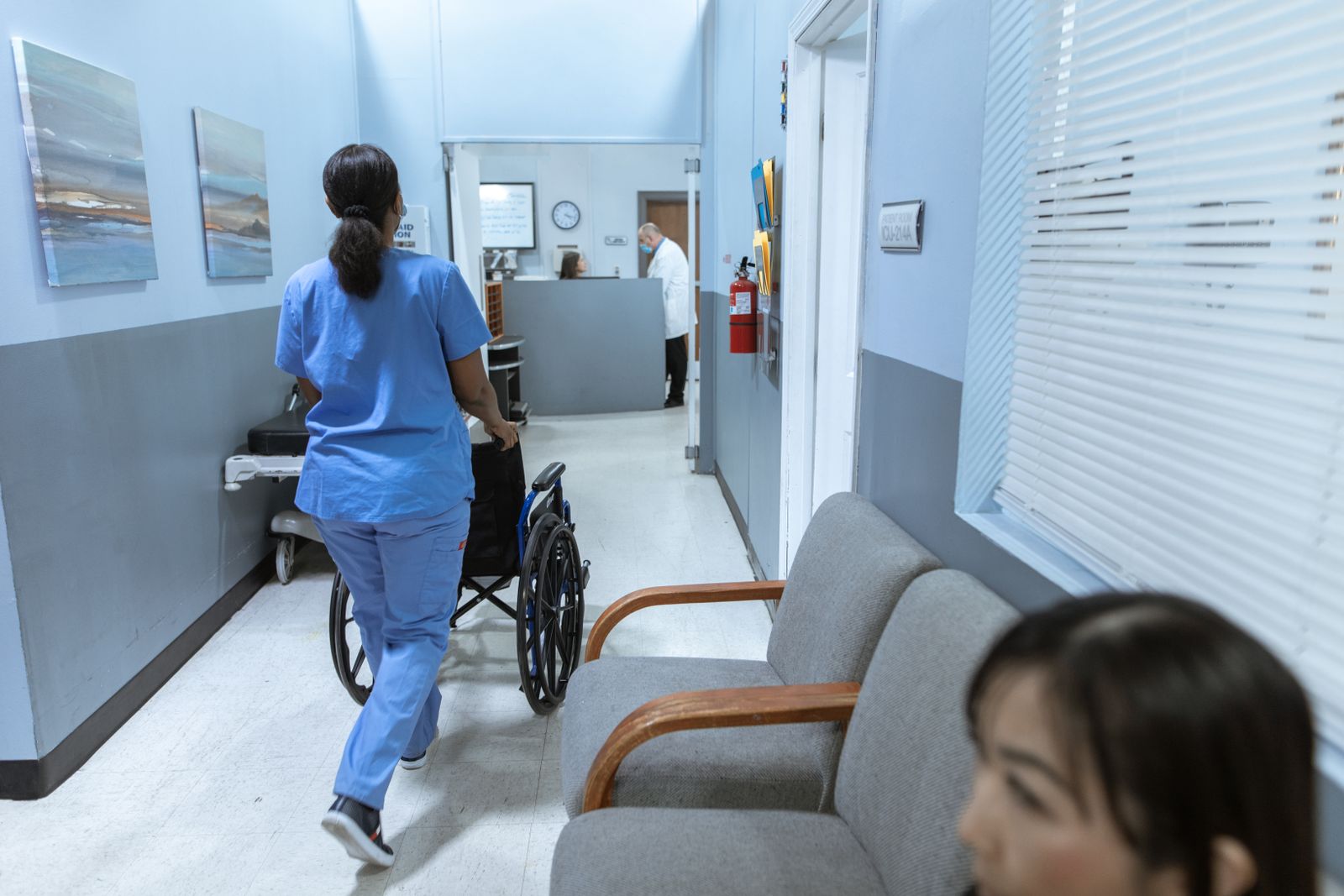
Canadian shopping route • Active Medibrace compression socks and stockings • Women-nurse-specific shift, shoe, and fit guidance
Quick selector: choose by women’s nursing-shift scenario
| If this is your nursing scenario | Choose this support type | Medibrace option | Why it fits women nurses |
|---|---|---|---|
| 12-hour hospital shifts, hard floors, lots of walking | Cushioned knee-high compression sock | Levaire Active Cushion | Shift comfort and underfoot padding matter more than a thin dress-style feel. |
| You want a women’s pattern under scrubs or uniform pants | Women’s patterned knee-high sock | Levaire Women’s Diamond Dress | Better when appearance and uniform-friendly styling are part of the buying decision. |
| Clinic shifts, warmer floors, lighter shoe fit | Sheer knee-high stocking | Levaire Simply Sheer | Lighter feel when cushion is less important than breathability and low bulk. |
| You want more covered everyday stocking feel | Opaque knee-high stocking | Levaire Opaque Knee High | A simple below-knee route when sheer is too light but active cushion is too bulky. |
| You need a soft measured 20-30 mmHg option | Soft 20-30 mmHg knee-high sock | Bauerfeind VenoTrain Soft | Use when compression level and measured fit are the deciding factors, not just nurse style. |
Shop Compression Socks & Stockings
What changes for women nurses?
This is not just the general nurse compression-sock decision with women’s wording added. Women nurses often compare cushion against shoe tightness, sheer versus opaque coverage, top-band comfort, scrub or uniform appearance, warmer clinic floors, and whether pregnancy or calf sizing changes the route. A cushioned sock can suit a 12-hour hospital floor, while a sheer or opaque stocking may fit clinic shifts, dressier footwear, or lower-bulk preferences.
If the decision is not women-specific, use Best Compression Socks for Nurses Canada. If you specifically want stocking formats, use Best Nurse Compression Stockings Canada. If pregnancy changes fit, use Best Compression Socks for Pregnant Nurses Canada. If regular top bands bind, use Best Compression Socks for Wide Calves Canada. Male-nurse fit and shoe-style guidance belongs on Best Compression Socks for Male Nurses Canada.
Recommended Medibrace compression options for women nurses
Levaire Active Cushion Compression Sock

- Role: Best cushioned route for 12-hour shifts
- Support type: cushioned knee-high compression sock
- Price: $64.5
- Best women’s nursing context: nurses whose day includes long standing, walking rounds, hard floors, and work shoes with enough room for cushion
- Tradeoff: bulkier than sheer or dress-style options inside tighter clogs or dress shoes
Levaire Women's Diamond Dress Compression Sock

- Role: Best women’s uniform-friendly pattern route
- Support type: women’s knee-high compression sock
- Price: $64.5
- Best women’s nursing context: nurses who want a more styled women’s sock under scrubs or uniform pants without moving into sheer stockings
- Tradeoff: pattern/style is not the same as maximum cushion for hard-floor shifts
Levaire Simply Sheer Compression Knee-High Stocking

- Role: Best lighter-feel route
- Support type: sheer knee-high compression stocking
- Price: $65.81
- Best women’s nursing context: clinic shifts, warmer floors, or nurses who prefer a lighter stocking feel with work shoes
- Tradeoff: less cushioned and less opaque than everyday or active socks
Levaire Opaque Knee High Compression Stocking

- Role: Best opaque everyday stocking route
- Support type: opaque knee-high compression stocking
- Price: $64.5
- Best women’s nursing context: nurses who want a simple below-knee stocking that looks more covered than sheer options
- Tradeoff: not as cushioned as an active sock and not maternity-specific
Bauerfeind VenoTrain Soft Knee-High Compression Socks 20-30 mmHg

- Role: Best soft 20-30 mmHg measured route
- Support type: soft 20-30 mmHg knee-high compression sock
- Price: $135
- Best women’s nursing context: nurses who have been guided toward a 20-30 mmHg range and want a softer measured knee-high option
- Tradeoff: higher compression range should be chosen with appropriate clinical guidance when medical risk exists
Shop Bauerfeind VenoTrain Soft Knee-High Compression Socks 20-30 mmHg
Sigvaris Women’s Essential Opaque Knee High Compression Stockings 20-30 mmHg

- Role: Sigvaris women's measured-fit option
- Support type: measured-fit knee-high compression stocking
- Price: $98.00
- Best for this compression decision: best compression socks for women nurses shoppers who want a Sigvaris option with real size, length, and shade selectors where available
- Tradeoff: Requires ankle/calf and garment-length measurement; not the right route if a clinician specified a different pressure or garment height.
Shop Sigvaris Women’s Essential Opaque Knee High Compression Stockings 20-30 mmHg
Sigvaris Essential Cotton Calf Knee High Compression Stockings 20-30 mmHg, Women’s

- Role: Sigvaris women's measured-fit option
- Support type: cotton knee-high compression stocking
- Price: $97.50
- Best for this compression decision: best compression socks for women nurses shoppers who want a Sigvaris option with real size, length, and shade selectors where available
- Tradeoff: Requires ankle/calf and garment-length measurement; not the right route if a clinician specified a different pressure or garment height.
Shop Sigvaris Essential Cotton Calf Knee High Compression Stockings 20-30 mmHg, Women’s
Sigvaris Sea Island Cotton 220 Knee High Compression Socks 20-30 mmHg

- Role: Sigvaris women's measured-fit option
- Support type: cotton knee-high compression stocking
- Price: $117.00
- Best for this compression decision: best compression socks for women nurses shoppers who want a Sigvaris option with real size, length, and shade selectors where available
- Tradeoff: Requires ankle/calf and garment-length measurement; not the right route if a clinician specified a different pressure or garment height.
Shop Sigvaris Sea Island Cotton 220 Knee High Compression Socks 20-30 mmHg
Cushioned socks vs patterned socks vs sheer or opaque stockings
| Route | Best women’s nursing use | Main advantage | Not the right route when... |
|---|---|---|---|
| Cushioned knee-high sock | Long hospital shifts and hard floors | More underfoot comfort | Your work shoes are already tight |
| Women’s patterned sock | Scrubs, uniforms, and style preference | More women-specific appearance | Cushion or clinical pressure range matters more than style |
| Sheer knee-high stocking | Warm clinics or lighter footwear | Lower-bulk, lighter feel | You want padding for long hard-floor walking |
| Opaque knee-high stocking | Everyday covered below-knee route | More covered than sheer styles | You need maternity, wide-calf, or prescribed-class guidance |
| Soft 20-30 mmHg sock | Measured fit with a specified pressure range | Soft measured route | You are guessing at compression level for medical symptoms |
Fit, use, and safety guidance for women nurses
- Measure ankle and calf circumference before choosing size; do not choose only by shoe size or scrub size.
- Try socks with your actual work shoes or clogs, because cushion and seams can change shoe volume.
- Choose cushion for long hard-floor shifts; choose sheer or opaque stockings when lower bulk or uniform appearance matters more.
- Recheck fit if the top band digs in, rolls, leaves sharp pressure, or regular-calf styles feel too tight.
- Ask a licensed clinician before choosing compression level for sudden swelling, calf pain, circulation concerns, pregnancy, prescribed compression, or symptoms that feel unusual.
Health and safety note: This Medibrace guide is general product-selection information only. It does not diagnose, treat, prevent, or replace advice from a licensed clinician.
When this page is not the right route
This page is for women nurses comparing shift-ready compression socks and stockings. It is not the right route for pregnancy-specific fit, wide-calf sizing as the main issue, sudden one-sided swelling, new calf pain, shortness of breath, chest pain, numbness, skin colour change, prescribed medical compression, or post-procedure instructions. Use the related route that matches the actual scenario, or seek clinical guidance when symptoms are medical.
Related Medibrace routes
FAQ
What compression socks are best for women nurses?
Women nurses should choose knee-high compression socks or stockings by shift length, shoe volume, calf measurement, fabric warmth, and whether cushion, opaque coverage, sheer feel, or a measured 20-30 mmHg route matters most.
How is this different from a general nurse compression sock page?
This women’s nurse page puts more weight on women-specific styling, sheer versus opaque stocking feel, calf/top-band comfort, work-shoe volume, and when maternity or wide-calf pages are better than a standard nurse selector.
Are sheer or cushioned compression socks better for nurses?
Cushioned socks are usually better for long hard-floor shifts when shoes have enough room. Sheer stockings can feel lighter and dressier for clinic shifts, but they usually offer less underfoot padding.
When is this page not the right route?
Use a maternity nurse page if pregnancy changes the decision, a wide-calf page if top-band fit is the blocker, or clinical guidance for sudden swelling, calf pain, shortness of breath, skin colour change, numbness, or prescribed compression needs.