
Best Elbow Compression Sleeve for Weightlifting Canada
Best Elbow Compression Sleeve for Weightlifting Canada: Choose Support for Presses, Pulls, and Gym Volume
Direct answer: The best elbow compression sleeve for weightlifting is the lowest-bulk support that matches the lift. Use a simple compression sleeve for warmth and general volume, a sleeve-plus-strap or pad-style sleeve for more focused pressing or pulling support, and a more supportive active elbow brace only when regular gym work needs extra guidance.
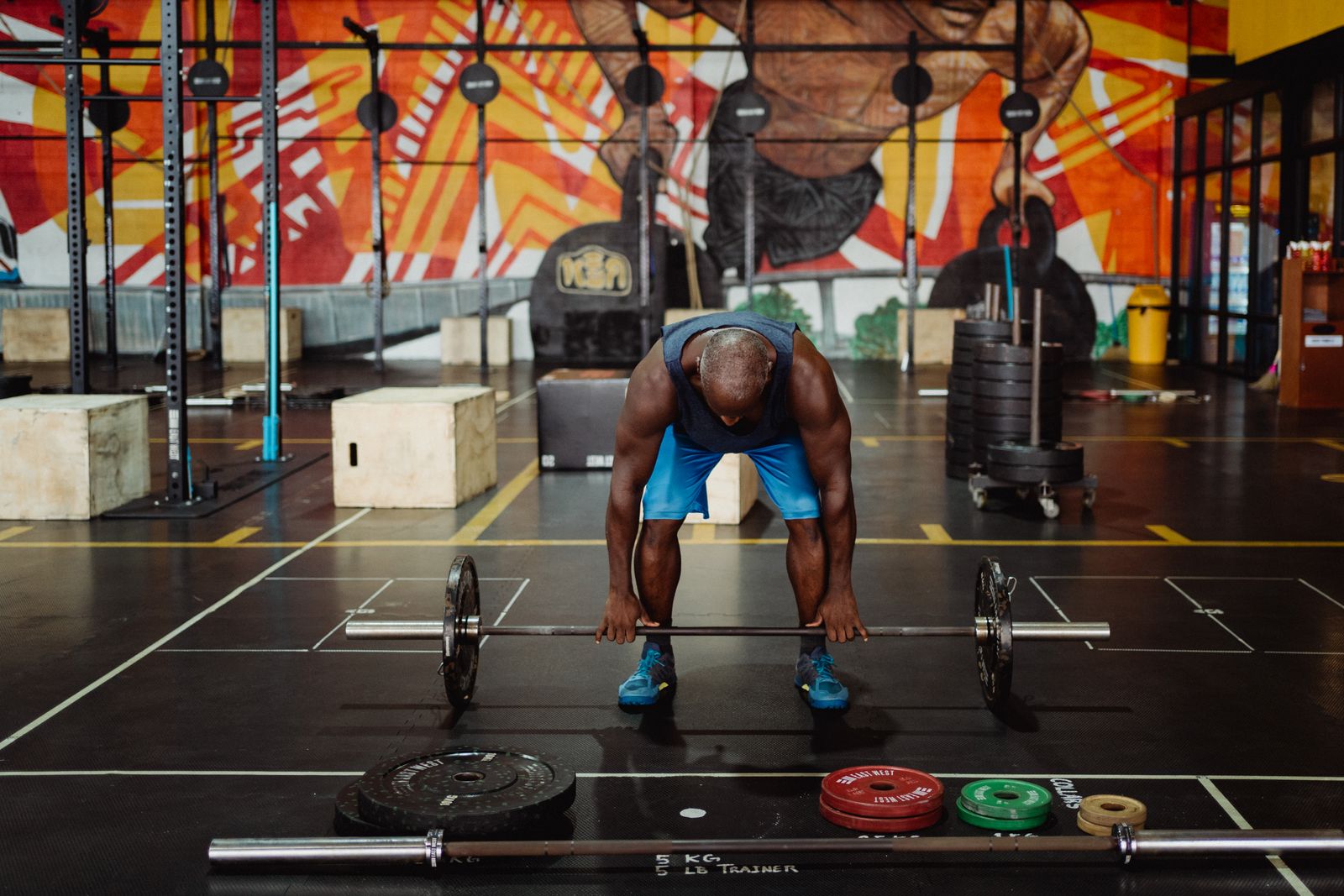
Canada-focused selector • Active Medibrace elbow support routes • No DonJoy or Ossur recommendations
Quick selector: choose by lifting scenario
| If this is your lifting scenario | Choose this support type | Medibrace option | Why it fits weightlifting |
|---|---|---|---|
| High-volume pressing, rows, curls, or triceps work | Premium knit compression elbow support | Bauerfeind EpiTrain Elbow Brace | Broad compression and a stable sleeve feel without jumping to rigid bracing. |
| Pressing or pulling days where you want adjustable forearm-side support | Sleeve with strap | McDavid HyperBlend Elbow Sleeve w/Strap | Adds tension control while staying gym-friendly. |
| Repeated sets with minimal bulk | Low-bulk bracing sleeve | OS1st ES6 Elbow Bracing Sleeve | Good when you want sleeve feel without a heavy brace profile. |
| Warm-ups and light-to-moderate accessory lifting | Simple compression sleeve | OS1st ES3 Compression Elbow Sleeve | Clean route when warmth and compression matter more than targeted pressure. |
| Grip-heavy rows, curls, pull-ups, or forearm-loading days | Pad-style elbow sleeve | Corflex Target Tennis Elbow Sleeve with Pad | More targeted support than a plain sleeve. |
What changes for weightlifting?
Weightlifting is different from a general elbow-pain or tennis-elbow shopping route because the sleeve has to work during loaded wrist grip, bar position, repeated elbow flexion/extension, and sweat. A bulky brace can interfere with pressing setup or pull-up grip, while a sleeve that is too light may not feel useful during high-volume accessory work. This page therefore sorts products by gym movement pattern rather than by diagnosis.
If bench press is the only lift you care about, use Best Elbow Sleeve for Bench Press Canada. If the real issue is tendon-area strap selection outside the gym, use Best Compression Sleeve for Tennis Elbow Canada. For the broader category, compare Elbow Braces and Sleeves/Compression.
Recommended Medibrace elbow sleeves and supports for lifting
Bauerfeind EpiTrain Elbow Brace

- Role: Best premium compression sleeve for lifting volume
- Support type: knit elbow brace / compression support
- Price: $165.00
- Best for this weightlifting scenario: bench press accessories, rows, curls, triceps work, and higher-volume lifting days where broad compression and a stable sleeve feel matter
- Tradeoff: premium price; more sleeve than some lifters need for occasional gym use
McDavid HyperBlend Elbow Sleeve w/Strap

- Role: Best sleeve-plus-strap gym option
- Support type: elbow sleeve with strap support
- Price: $60.43
- Best for this weightlifting scenario: lifters who want compression with extra forearm-side tension control for pressing or pulling days
- Tradeoff: strap pressure must be comfortable and should not be over-tightened
OS1st ES6 Elbow Bracing Sleeve

- Role: Best low-bulk bracing sleeve
- Support type: compression bracing sleeve
- Price: $48.11
- Best for this weightlifting scenario: gym users who want a light sleeve-style feel for repeated sets without a rigid brace profile
- Tradeoff: less structured than heavier hinged or post-injury elbow supports
OS1st ES3 Compression Elbow Sleeve

- Role: Best simple compression sleeve
- Support type: compression elbow sleeve
- Price: $42.64
- Best for this weightlifting scenario: warm-ups, accessory lifting, light-to-moderate training, and lifters who mainly want warmth/compression
- Tradeoff: not the first route if you need targeted strap pressure or rigid control
Corflex Target Tennis Elbow Sleeve with Pad

- Role: Best targeted pad sleeve
- Support type: elbow sleeve with pressure pad
- Price: $59.26
- Best for this weightlifting scenario: forearm-loading movements such as curls, rows, pull-ups, and grip-heavy accessory days where a pad route makes sense
- Tradeoff: more targeted than a general sleeve and may not be ideal for every press grip
Sporlastic Epidyn Active Elbow Support

- Role: Best active support upgrade
- Support type: active elbow support
- Price: $177.00
- Best for this weightlifting scenario: lifters who want a more supportive active brace feel across varied gym work while staying movement-friendly
- Tradeoff: higher price and more support than casual lifters may need
Compression sleeve vs strap sleeve vs pad support
| Support route | Best lifting use | Main advantage | Main limitation |
|---|---|---|---|
| Compression sleeve | Warmth, light support, general lifting volume | Low bulk and easy movement | Less targeted pressure |
| Sleeve with strap | Pressing/pulling where tension adjustment helps | More tunable support | Can be over-tightened |
| Pad-style sleeve | Grip-heavy movements and tendon-area loading | Focused pressure route | More specific fit feel |
| Active elbow support | Varied gym work with more support needs | More supportive than a light sleeve | Higher price and more brace feel |
| Rigid/post-injury brace | Clinician-directed protection | More control | Usually not ideal for normal lifting mechanics |
Fit, use, and safety guidance for gym sessions
- Start with enough compression to feel secure, not numb or restrictive.
- Test the sleeve on warm-up sets before using it for heavy work.
- Do not let a sleeve hide technique changes, sharp pain, or symptoms that worsen set to set.
- For strap or pad supports, use mild, comfortable tension; tighter is not automatically better.
- Remove the support if you notice numbness, tingling, colour change, swelling, or increasing discomfort.
- Get clinician guidance for recent trauma, major weakness, locking, acute swelling, nerve symptoms, or pain that does not settle with modified training.
When this page is not the right route
This page is for elbow compression and support selection during weightlifting. It is not a substitute for assessment after an injury, and it is not the most specific page if your only question is bench pressing or tendon-strap placement. Use the bench-press page for that single lift, the tennis-elbow page for tendon-area strap logic, or the category route when you want to compare all elbow braces.
This page provides general product-selection guidance only, does not diagnose, and is not medical advice. For personal medical advice, compression-pressure guidance, injury diagnosis, or return-to-lifting decisions, consult a licensed clinician.
Related Medibrace routes
FAQ
What elbow compression sleeve is best for weightlifting?
For general lifting volume, start with a knit or compression elbow sleeve that gives warmth and a secure fit without changing your bar path. Move to a sleeve-plus-strap or targeted pad route only when pressing, pulling, or grip-heavy work needs more focused support.
Is this different from a tennis elbow compression sleeve page?
Yes. A tennis-elbow page usually focuses on tendon-area symptoms and strap or pad placement for everyday and racquet-type loading. This page focuses on gym movement: pressing, rows, curls, triceps work, sleeve bulk under a bar setup, and when a bench-press-specific page is better.
Should I wear an elbow sleeve for every lift?
Not necessarily. Many lifters use sleeves for warm-ups, higher-volume pressing, pulling days, or accessory work. If pain is sharp, worsening, or changes your technique, pause and get assessed instead of masking it with more compression.
When is this not the right route?
Use a bench-press-specific page if bench is the main lift, a tennis-elbow page for tendon-area strap selection, or clinician guidance for acute injury, swelling, numbness, major weakness, locking, or pain that does not settle.