
Best Graduated Compression Stockings Canada
Best Graduated Compression Stockings Canada: Choose by Compression Level, Length, Toe Style, and Fit
Direct answer: The best graduated compression stockings in Canada are the pair that matches your measured size, compression class, leg length, toe preference, and daily use. Start by deciding whether you need knee-high, thigh-high, open-toe, wide-calf, or firmer compression, then choose an active Medibrace option that fits that specific route.
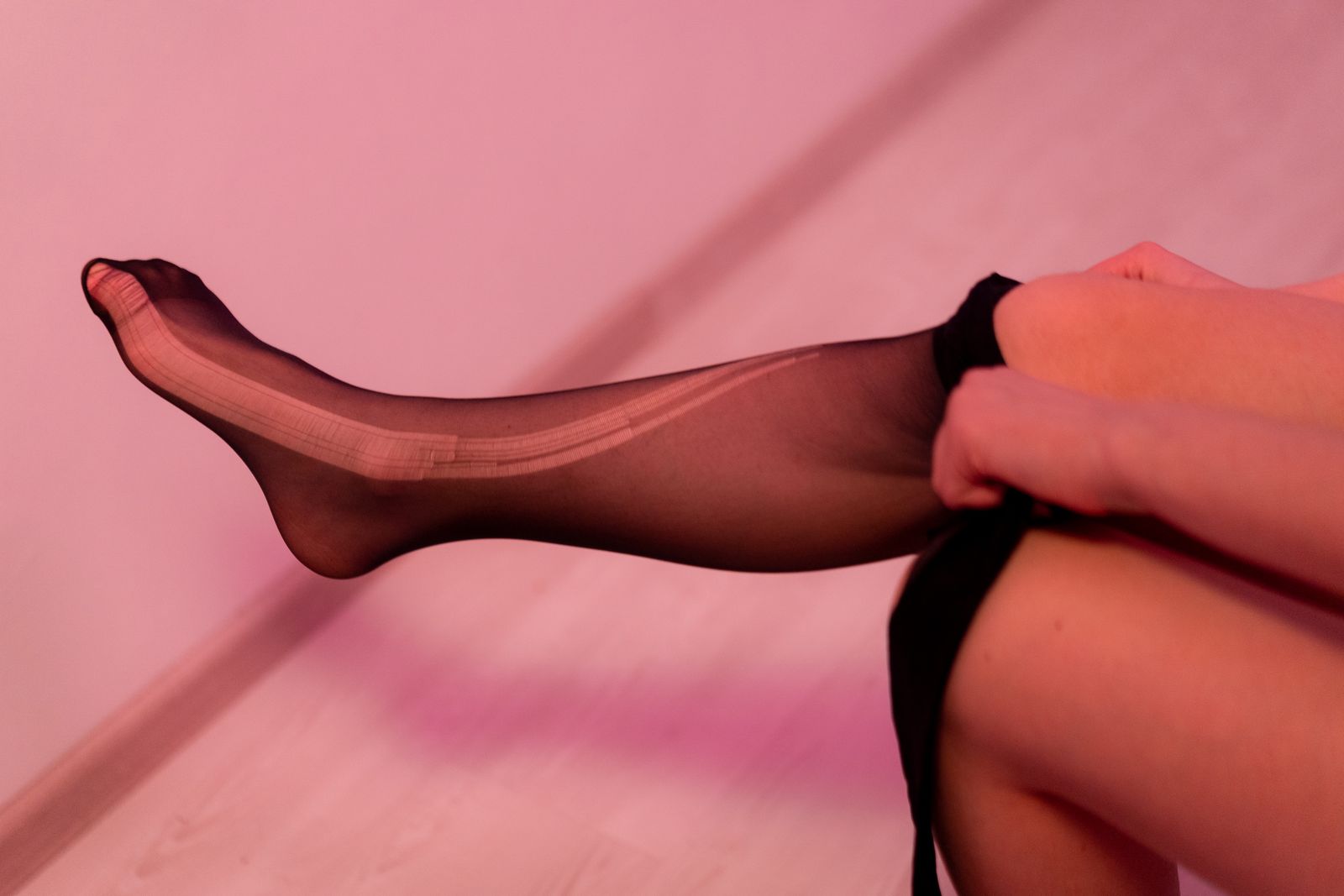
Canadian shopping route • Active Medibrace compression stockings • Selector logic for mmHg level, knee-high versus thigh-high coverage, open-toe comfort, wide-calf fit, and clinician-directed needs
Quick selector: choose the graduated stocking route first
| If your decision is... | Choose this support type | Medibrace option | Why it fits |
|---|---|---|---|
| You want a balanced first route | 20-30 mmHg knee-high graduated stocking | VenoTrain Soft Knee-High 20-30 mmHg | Good starting comparison point when knee-high coverage and moderate-firm daily support are the decision. |
| You already need a firmer class | 30-40 mmHg knee-high graduated stocking | VenoTrain Soft Knee-High 30-40 mmHg | Higher compression route when that level is already appropriate. |
| Your support needs extend above the knee | Thigh-high graduated stocking | VenoTrain Soft Thigh-High 20-30 mmHg | Better route when coverage length matters more than a simple sock-style fit. |
| Toe comfort or footwear is the blocker | Open-toe knee-high graduated stocking | VenoTrain Soft Open Toe 20-30 mmHg | Keeps graduated leg support while leaving the toes open. |
| Regular calf options pinch or roll | Wide-calf knee-high graduated stocking | VenoTrain Micro Wide Calf 20-30 mmHg | Useful when calf circumference is the fit issue, not just the compression level. |
Shop Compression Socks & Stockings
What changes with graduated compression stockings?
This scenario is different from simply asking for the best compression socks. Graduated stockings require a pressure-level decision, a length decision, and a fit decision before brand or price matters. A knee-high option may be best for lower-leg use, while thigh-high coverage, open-toe comfort, wide-calf sizing, or firmer compression can be the better route when those details are the real reason you are shopping.
If your main context is work shifts, travel, pregnancy, visible ankle swelling, or large-calf fit, use the related page that matches that situation instead of choosing from a broad graduated-stocking page. If a clinician has prescribed a specific compression class or style, follow that direction rather than self-selecting from a general guide.
Recommended Medibrace graduated compression stocking options
Bauerfeind VenoTrain Soft Knee-High Compression Socks 20-30 mmHg

- Role: Best everyday graduated route
- Support type: 20-30 mmHg knee-high graduated compression stocking
- Price: $135.00
- Best graduated-stocking scenario: shoppers who want a balanced knee-high graduated stocking for daily wear, work, or travel when knee-high coverage is enough
- Tradeoff: Not the right route if thigh coverage, open-toe comfort, wide-calf sizing, or a clinician-directed stronger class is the real requirement.
Shop Bauerfeind VenoTrain Soft Knee-High Compression Socks 20-30 mmHg
Bauerfeind VenoTrain Soft Knee-High Compression Socks 30-40 mmHg

- Role: Best firmer graduated route
- Support type: 30-40 mmHg knee-high graduated compression stocking
- Price: $135.99
- Best graduated-stocking scenario: shoppers who already know a firmer compression class is appropriate and want knee-high coverage
- Tradeoff: Firmer compression can be harder to apply and should match professional guidance when used for a health-related reason.
Shop Bauerfeind VenoTrain Soft Knee-High Compression Socks 30-40 mmHg
Bauerfeind VenoTrain Soft Thigh-High Compression Stockings 20-30 mmHg

- Role: Best above-knee coverage route
- Support type: 20-30 mmHg thigh-high graduated compression stocking
- Price: $200.99
- Best graduated-stocking scenario: shoppers whose coverage decision extends above the knee rather than stopping at the calf
- Tradeoff: Thigh-high styles need careful length and top-band fit; choose knee-high if calf-only coverage is enough.
Shop Bauerfeind VenoTrain Soft Thigh-High Compression Stockings 20-30 mmHg
Bauerfeind VenoTrain Soft Knee-High Compression Socks 20-30 mmHg, Open Toe

- Role: Best open-toe route
- Support type: 20-30 mmHg open-toe knee-high graduated compression stocking
- Price: $135.00
- Best graduated-stocking scenario: shoppers who prefer toe freedom, sandal compatibility, or less pressure around the toes
- Tradeoff: Open-toe is not automatically easier; foot fit and donning technique still matter.
Shop Bauerfeind VenoTrain Soft Knee-High Compression Socks 20-30 mmHg, Open Toe
Bauerfeind VenoTrain Micro Knee-High Compression Socks 20-30 mmHg, Wide Calf

- Role: Best wide-calf route
- Support type: 20-30 mmHg wide-calf knee-high graduated compression stocking
- Price: $130.99
- Best graduated-stocking scenario: shoppers whose main blocker is calf circumference or top-band pinching in regular calf options
- Tradeoff: Wide-calf sizing still requires ankle and calf measurement before buying.
Shop Bauerfeind VenoTrain Micro Knee-High Compression Socks 20-30 mmHg, Wide Calf
Compare knee-high, thigh-high, open-toe, wide-calf, and firmer compression
| Route | Best use | Main advantage | Main limitation |
|---|---|---|---|
| Knee-high 20-30 mmHg | Everyday lower-leg support when knee-high coverage is enough | Simpler fit and easier daily wear than longer styles | Does not provide above-knee coverage |
| Knee-high 30-40 mmHg | Firmer compression when already appropriate | More compressive class with familiar knee-high format | Harder to apply; should align with professional guidance when used for health reasons |
| Thigh-high | Coverage that extends above the knee | Better route when length is the main decision | Top-band and leg-length fit must be measured carefully |
| Open-toe | Toe freedom, footwear preferences, or less toe coverage | Keeps leg compression while leaving toes open | Not automatically easier to fit or apply |
| Wide-calf | Regular calf styles pinch, roll, or feel restrictive | Addresses calf circumference as a fit blocker | Still requires correct ankle and calf measurements |
Fit, use, and safety guidance
- Measure ankle circumference, calf circumference, and leg length before choosing a size.
- Choose the compression class and stocking length before comparing colours, fabric feel, or price.
- The stocking should feel supportive without painful pinching, numbness, colour change, or rolled bands.
- Do not size down to create more pressure; choose the correct measured size and compression class.
- Ask a clinician before self-selecting for sudden one-sided swelling, wounds, severe pain, numbness, vascular conditions, skin colour change, or a prescribed compression plan.
Health and safety note: This Medibrace guide is general product-selection information only. It does not diagnose, prescribe, or replace advice from a licensed clinician.
When this page is not the right route
This page is for shoppers comparing graduated compression stocking types. It is not the best route when the main need is nursing shifts, air travel, pregnancy, wide-calf sizing, open-toe footwear, or swelling-focused shopping. In those cases, use the more specific Medibrace route below so the recommendation logic matches the real context.
Related Medibrace routes
FAQ
What are the best graduated compression stockings in Canada?
The best graduated compression stockings are the ones that match your measured ankle, calf, and length requirements, then fit the right compression class and coverage style. Most shoppers compare knee-high 20-30 mmHg, firmer 30-40 mmHg, thigh-high, open-toe, and wide-calf routes before choosing.
Are graduated compression stockings different from regular compression socks?
Graduated compression is designed to be strongest at the ankle and reduce up the leg. Regular socks may not provide that pressure pattern. The right choice depends on compression level, length, toe style, calf fit, and whether a clinician has given specific guidance.
Should I choose knee-high or thigh-high graduated stockings?
Choose knee-high when calf and lower-leg coverage is enough and thigh coverage is not needed. Consider thigh-high when the coverage decision extends above the knee or when your clinician has advised that style. Measure carefully because thigh-high fit is less forgiving.
When is this page not the right route?
Use a travel, nurses, swelling, pregnancy, wide-calf, or open-toe page when that context is the main shopping problem. Get professional guidance for sudden swelling, wounds, numbness, skin colour changes, severe pain, vascular conditions, or prescribed compression needs.