
Best Heel Cup in Canada
Best Heel Cup in Canada: Choose Cushioning, Lift, or Heel-Focused Support
Direct answer: The best heel cup in Canada depends on whether you need under-heel cushioning, a height-adjustable lift, a wedge for a boot-style plan, or heel-area support that wraps the calcaneal region. Choose a true heel cup for shoe cushioning; choose an ankle brace, walking boot, or clinician-guided route when stability or injury management is the real issue.
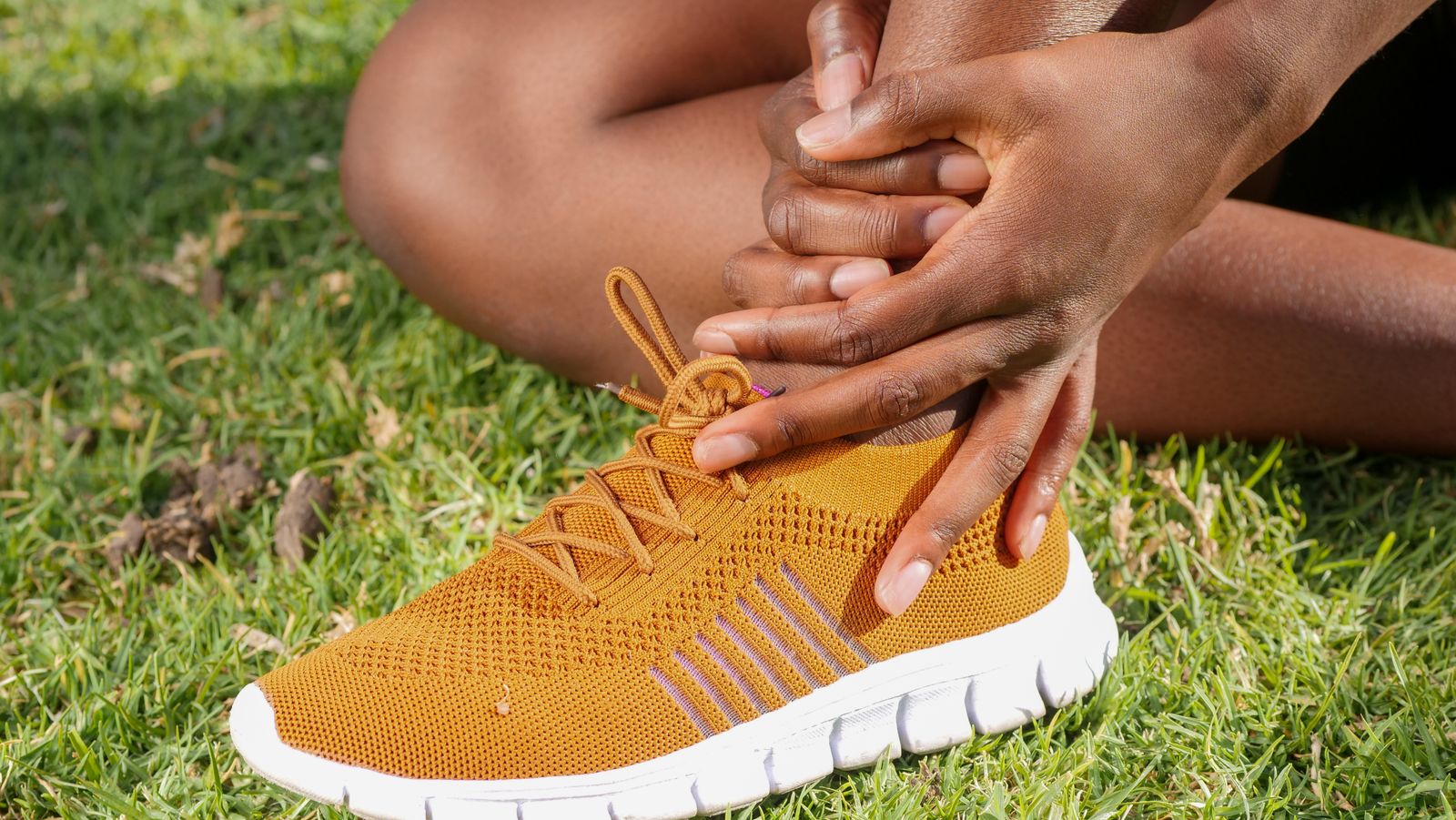
Canadian shopping route • Active Medibrace foot and ankle products • Heel-focused selection before checkout
Quick selector: choose by heel-cup scenario
| If your heel/foot need is... | Choose this support type | Medibrace option | Why it fits this scenario |
|---|---|---|---|
| Heel cushioning inside regular shoes | Viscoelastic heel cup/cushion | Sporlastic CALCALASTIC heel cushion | Most direct heel-cup answer when the goal is under-heel cushioning, not ankle control. |
| Need a small lift or height adjustment | Adjustable heel lift | BREG Adjustable Heel Lift | Lets the height be tuned instead of choosing a fixed cushion. |
| Heel angle is part of a boot or Achilles plan | Heel wedge set | BREG Achilles Wedges | Better than a loose cup when wedge angle is the actual decision. |
| Want heel-area support that wraps the calcaneal region | Heel support bandage | Sporlastic Calcaneal Spur Bandage | More supportive around the heel than a simple insert. |
| Pain is actually under the forefoot/ball of foot | Forefoot/metatarsal support | Sporlastic METARSO Splay Foot Support | A heel cup is the wrong route when the load issue is forward in the shoe. |
What changes for a heel-cup decision?
A heel-cup page is narrower than a general foot, ankle, or plantar-support guide. The key decision is where the shoe needs help: directly under the heel, at the heel height, through a wedge angle, around the calcaneal region, or under the forefoot instead. If you mainly need side-to-side ankle control, use an ankle-brace route. If you need immobilization or post-injury offloading guidance, a walking-boot or clinician-directed route is safer.
For broader ankle support, compare Best Ankle Brace for Everyday Use Canada. For sock-based plantar/foot compression, use Best Plantar Compression Socks Canada. For Achilles-focused brace logic, use Best Ankle Brace for Achilles Tendonitis Canada.
Recommended Medibrace heel cup and heel-support options
Sporlastic CALCALASTIC ®Visco Elastic Heel Cushion

- Role: Best dedicated heel-cup route
- Support type: viscoelastic heel cushion
- Price: $54.95
- Best heel-cup context: shoe-friendly heel cushioning when the decision is focused under the heel rather than ankle stability
- Tradeoff: not an ankle brace and not meant to control rolling or side-to-side instability
BREG Adjustable Heel Lift

- Role: Best adjustable height option
- Support type: adjustable heel lift
- Price: $66.23
- Best heel-cup context: trying to fine-tune heel elevation or shoe balance under clinician or fitter guidance
- Tradeoff: height changes can affect gait and shoe fit, so do not stack aggressively
BREG Achilles Wedges

- Role: Best wedge route for boot-style protocols
- Support type: heel wedge set
- Price: $70
- Best heel-cup context: situations where wedge angle is part of a walking-boot or Achilles-related plan
- Tradeoff: not a general comfort heel cup for regular shoes
Sporlastic Calcaneal Spur Bandage

- Role: Best heel-focused support bandage
- Support type: heel/calcaneal support bandage
- Price: $80
- Best heel-cup context: shoppers who want a heel-area support rather than a simple insert
- Tradeoff: more noticeable than a loose heel cup inside tight shoes
SPORLASTIC METARSO ® SPlay Foot Support

- Role: Best forefoot route when heel cup is not the answer
- Support type: metatarsal/forefoot support
- Price: $80
- Best heel-cup context: when the discomfort is mainly under the ball of the foot rather than at the heel
- Tradeoff: not a heel cup; included to route shoppers away from the wrong product type
Heel cup vs lift vs wedge vs support bandage
| Choice | Best fit | Main advantage | Watchout |
|---|---|---|---|
| Heel cup or heel cushion | Under-heel cushioning in everyday shoes | Low-bulk and easy to move between shoes | Does not stabilize the ankle |
| Heel lift | Height adjustment or shoe balance | Adjustable elevation | Can change gait if overused or stacked |
| Heel wedge | Boot or Achilles-style angle planning | More controlled wedge angle | Not a casual shoe insert |
| Heel support bandage | Heel-area support beyond an insert | Wraps/supports the region | More noticeable in tight footwear |
| Forefoot support | Ball-of-foot load issues | Routes away from the wrong heel product | Not for heel cushioning |
Fit, use, and safety guidance
- Test heel cups or lifts in the exact shoes you plan to wear.
- Make sure the heel sits securely and the shoe does not rub at the back counter.
- Do not stack heel lifts or wedges to chase height; small changes can affect walking mechanics.
- Use a forefoot route if the discomfort is under the ball of the foot rather than the heel.
- Use clinician guidance for new injury, severe swelling, numbness, skin colour change, inability to bear weight, diabetes-related foot concerns, or post-operative instructions.
When this page is not the right route
This page is not the right route for ankle instability, a suspected fracture, a boot protocol, a custom orthotic plan, or symptoms that need assessment. It is also not the best route when the main issue is forefoot pressure rather than heel cushioning.
Health and safety note: This Medibrace guide is general product-selection information only. It does not diagnose, prescribe, or replace advice from a licensed clinician.
Related Medibrace routes
FAQ
What is the best heel cup in Canada?
The best heel cup is the lowest-bulk heel cushion or lift that matches the exact shoe problem: cushioning under the heel, adjustable lift height, wedge angle, or heel-area support. If the issue is ankle instability, use an ankle brace page instead.
Is a heel cup the same as a heel lift?
No. A heel cup mainly cushions or cradles the heel. A heel lift changes heel height. Choose a lift only when height adjustment is the actual goal.
Can I use heel cups in any shoes?
Usually shoe depth matters. Test heel cups in the shoes you actually wear; a shallow shoe may feel tight at the heel or change how the foot sits.
When is this page not the right route?
This page is not the right route for a fresh injury, severe swelling, numbness, inability to bear weight, post-operative instructions, or a suspected need for a walking boot, custom orthotic, or clinical assessment.