
Best Knee Brace for Taekwondo Canada
Best Knee Brace for Taekwondo Canada: Choose Support for Kicks, Forms, Sparring, and Jumping Drills
Direct answer: The best knee brace for Taekwondo in Canada is usually low-bulk support that stays aligned during stance switches, roundhouse kicks, roundhouse kicks, side kicks, sparring, forms, and jumping drills. Start with knit compression for movement freedom, choose patella-tracking support for front-of-knee confidence, use a strap for narrow below-kneecap support, and reserve hinged bracing for controlled non-sparring conditioning.
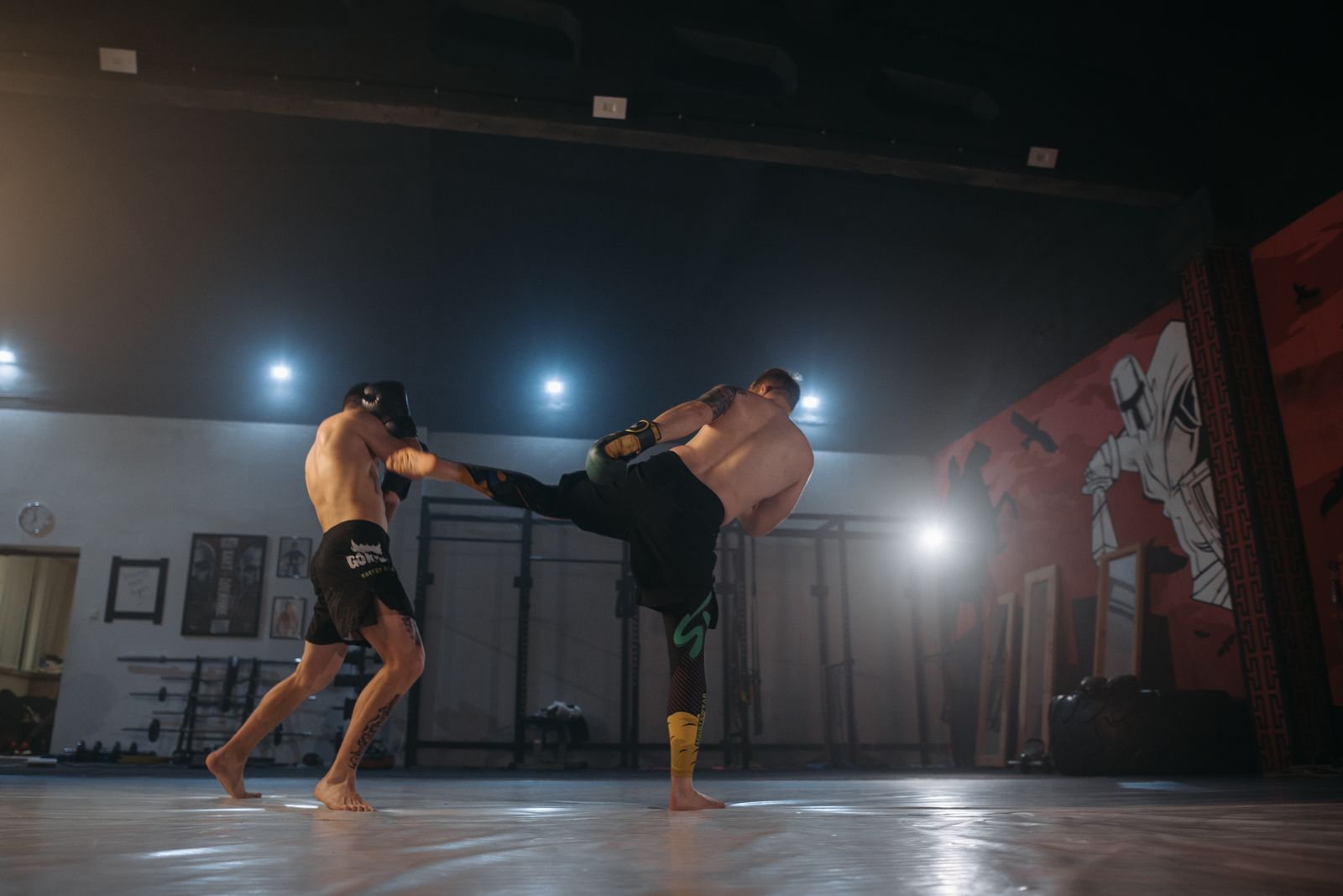
Canadian shopping route • Active Medibrace sports knee braces • Taekwondo-specific support logic for pivots, kicks, forms, sparring, jumping drills, and non-sparring conditioning
Quick selector: match support to your Taekwondo session
| If your training includes... | Choose this support type | Medibrace option | Why it fits Taekwondo |
|---|---|---|---|
| Technical footwork, shadowboxing, and pad/bag rounds | Low-bulk knit compression | Bauerfeind GenuTrain Knee Brace | Compression and movement freedom without making pivots feel braced-in. |
| Long classes where comfort and knee bend matter most | Comfort knit compression | Bauerfeind GenuTrain Comfort Knee Brace | A softer compression-first route for repeated rounds and warm-ups. |
| Front-of-knee confidence during kick setup, jump rope, or stairs | Patellofemoral tracking brace | BREG FreeRunner | Routes kneecap-tracking needs away from a generic sleeve. |
| Localized below-kneecap support during bag work or conditioning | Patellar tendon strap | BREG Tendon Compression Strap | Smallest route when a full brace feels excessive. |
| Controlled conditioning where side guidance matters more than speed | Hinged sport brace | BREG RoadRunner Knee Brace | Adds structure, but bulk can interfere with sparring or fast kick retraction. |
What changes when the scenario is Taekwondo?
Taekwondo is not the same decision as running, squats, or generic gym training. The brace has to stay put while you pivot on the planted leg, switch stance, chamber and retract kicks, skip rope, and move through pad/bag rounds. Too much brace bulk can slow footwork or interfere with sparring, while too little structure may not give enough confidence for an athlete who needs tracking or side-guidance cues.
If your workout is mostly mixed circuits rather than kicking and pivoting, use Best Knee Brace for HIIT Training Canada. If you need broad sport comparison, use Best Sports Knee Brace Canada. If you mainly lift or do machines, use Best Knee Brace for Working Out Canada. If the main need is structured side guidance, compare Best Hinged Knee Brace Canada.
Recommended Medibrace knee braces for Taekwondo
Bauerfeind GenuTrain Knee Brace

- Role: Best low-bulk Taekwondo route
- Support type: knit compression knee brace
- Price: $195.00
- Best Taekwondo scenario: shadowboxing, pad/bag rounds, classes, warm-ups, and technical footwork where the brace must not interfere with pivots or knee bend
- Tradeoff: Less side guidance than a hinged sport brace for athletes who need stronger stability cues.
Bauerfeind GenuTrain Comfort Knee Brace

- Role: Best comfort-compression route
- Support type: soft knit compression knee brace
- Price: $230.00
- Best Taekwondo scenario: longer technique classes or pad or bag sessions when comfort and easy movement matter more than maximum brace structure
- Tradeoff: Still a compression-first option, not a contact-sport stability brace.
BREG FreeRunner

- Role: Best kneecap-tracking route
- Support type: patellofemoral tracking brace
- Price: $339.00
- Best Taekwondo scenario: front-of-knee confidence during stance changes, kick setup, skipping, stairs, or jump-rope warm-ups
- Tradeoff: More specialized than a general sleeve and may feel more noticeable under some training gear.
BREG Tendon Compression Strap

- Role: Best minimal below-kneecap route
- Support type: patellar tendon compression strap
- Price: $57.63
- Best Taekwondo scenario: localized below-kneecap support during bag work, jump rope, or conditioning when a full brace feels too much
- Tradeoff: Does not provide broad compression, warmth, or side stability.
BREG RoadRunner Knee Brace

- Role: Best structured non-sparring route
- Support type: hinged sport knee brace
- Price: $335.12
- Best Taekwondo scenario: controlled conditioning, footwork drills, or gym training where more side guidance is needed and bulk is acceptable
- Tradeoff: Too bulky for many sparring rounds, close-contact work, or fast kick retraction, and not a replacement for medical clearance after injury.
Compare compression, tracking, strap, and hinged support
| Support route | Best Taekwondo use | Main advantage | Main limitation |
|---|---|---|---|
| Knit compression brace | Bag rounds, technique classes, warm-ups, and footwork | Lowest bulk and easiest knee bend | Less guidance for instability concerns |
| Patellofemoral tracking brace | Front-of-knee confidence during stance changes, skipping, stairs, or kick setup | More targeted than a generic sleeve | More specialized fit and feel |
| Patellar tendon strap | Localized below-kneecap support during bag work or conditioning | Smallest support route | No broad compression or side guidance |
| Hinged sport brace | Controlled non-sparring conditioning where side guidance matters | More structured support feel | Can be too bulky for sparring, close-contact work, or fast kick retraction |
Fit, use, and safety guidance for Taekwondo
- Test the brace during stance switches, pivots, slow roundhouse kicks, jump rope, pad/bag rounds, and floor work before a full session.
- The brace should not slide down, catch on clothing, block kick chambering, change your landing, or make you favour one side.
- Do not size down to force a compression brace to feel like a stability brace; choose a stronger support type instead.
- For sparring or contact rounds, confirm gym rules and coach or instructor guidance, especially with hinged or rigid braces.
- Stop and get assessed for recent trauma, major swelling, locking, repeated giving-way, weakness, numbness, or return-to-sport decisions.
Health and safety note: This Medibrace guide is general product-selection information only. It does not diagnose, prescribe, treat, or replace advice from a licensed clinician.
When this page is not the right route
This page is for Taekwondo shoppers choosing knee support around stance switches, kicks, forms, sparring drills, jump rope, and controlled conditioning. It is not the right route for post-surgical bracing, a prescribed ligament brace, recent injury clearance, or a pure running, powerlifting, or HIIT decision. Use the related routes when those activities are the real buying context.
Related Medibrace routes
FAQ
What is the best knee brace for Taekwondo in Canada?
For Taekwondo, the best knee brace is usually low-bulk compression that stays aligned during pivots, stance changes, kicks, and pad/bag rounds. Choose patella-tracking support for front-of-knee confidence, a strap for localized below-kneecap support, and a hinged sport brace only for controlled non-sparring conditioning when bulk is acceptable.
Can I spar with a hinged knee brace?
Many hinged braces are too bulky or rigid for sparring, close-contact work, and fast kick retraction. Check gym rules, coach or instructor guidance, and clinician advice if you are recovering from injury. This page is mainly for product selection around training, conditioning, and controlled drills.
Is a knee sleeve enough for Taekwondo?
A sleeve-style knit brace may be enough when the goal is light compression and warmth during footwork or pad/bag rounds. It is not the right route for major instability, repeated giving-way, a recent injury, or a prescribed brace plan.
When is this page not the right route?
Use a clinician-guided route for recent trauma, swelling, locking, repeated giving-way, post-surgical instructions, or return-to-sport decisions. Use a HIIT or general sports-knee page if your training is mostly circuits rather than checks, close-contact entries, knee movement, roundhouse kicks, and bag work.