
Best Lace-Up Ankle Brace for Sprain Canada
Best Lace-Up Ankle Brace for Sprain Canada: Adjustable Support, Stirrup Detours, and When Not to Self-Select
Direct answer: The best lace-up ankle brace for a sprain in Canada is usually an adjustable lace-up brace with stabilizing straps when you need tunable support, changing swelling room, and shoe fit. Choose a semi-rigid or rigid stabilizer instead when side-to-side rolling control matters more than a lace-up feel.
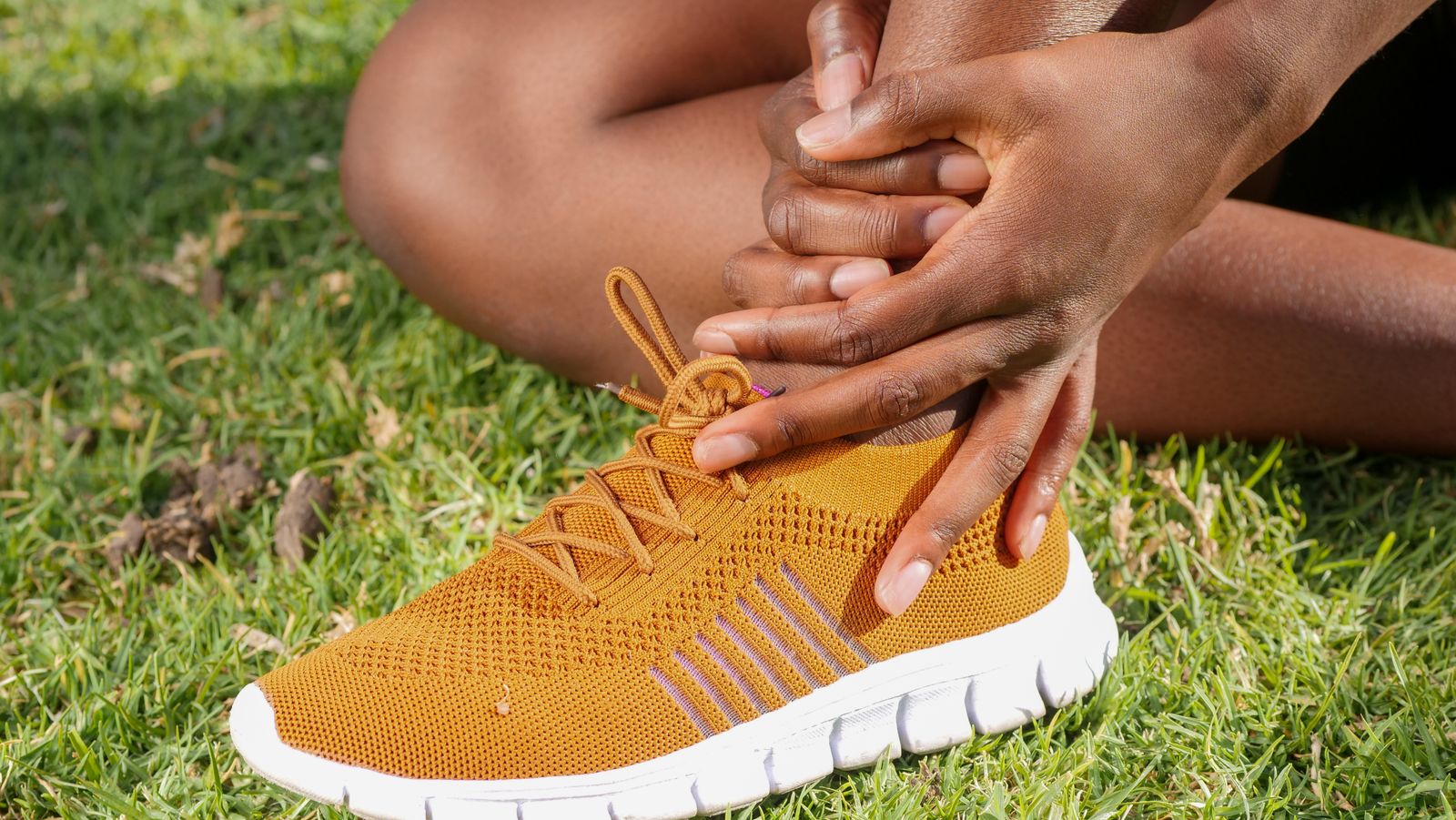
Canadian shopping route • Active Medibrace ankle-sprain supports • Lace-up, semi-rigid, knit, and rigid detours explained
Quick selector: choose by sprain scenario
| If this is your sprain scenario | Choose this support type | Medibrace option | Why it fits this page |
|---|---|---|---|
| You want a true adjustable lace-up for a sprain | Lace-up brace with stabilizing strap | Corflex Marathon Active Lace-Up Ankle Support | Most direct match for adjustable sprain support, swelling changes, and shoe-fit testing. |
| You want a firmer lace-up-style feel | Firm stabilizing ankle support | Sporlastic Swede-O Universal Ankle Support | Better when support feel matters more than a barely-there sleeve. |
| Your ankle keeps rolling or feels unreliable | Semi-rigid sport ankle brace | Aircast Airsport Ankle Brace | A detour from lace-up when lateral control is the bigger buying problem. |
| You are later-stage and mainly want comfort | Knit brace with strap guidance | Bauerfeind MalleoTrain S Ankle Brace | Fits calmer sprain stages where breathability and feedback are priorities. |
| You are not ready for flexible support | Rigid ankle stabilizer | Bauerfeind MalleoLoc Ankle Brace | A stronger detour before assuming a lace-up brace is enough. |
What changes for a sprain-specific lace-up brace?
This page is not a generic lace-up ankle brace comparison. A sprain changes the decision because swelling may change through the day, shoe pressure can aggravate tender areas, and side-to-side control may matter more than flexibility. The first question is whether a lace-up brace gives enough control for your current stage, not whether it is the lowest-profile option.
If you need the broad ankle selector, use Best Ankle Brace Canada. If the sprain is still fresh and you are not choosing by lace-up style, use Best Ankle Brace After Sprain Canada. If your activity is return-to-running, use Best Ankle Brace for Running After Sprain Canada. For general lace-up shopping, compare Best Lace-Up Ankle Brace Canada.
Recommended Medibrace lace-up ankle brace options for sprain
Corflex Marathon Active Lace-Up Ankle Support w/Stabilizing Strap Ankle Brace

- Role: Best true lace-up sprain starting point
- Support type: lace-up brace with stabilizing strap
- Price: $74.99
- Best sprain context: sprain shoppers who want adjustable wrap-and-lace control that can be tuned as swelling and shoe fit change
- Tradeoff: Bulk and laces need a shoe-fit check; not enough if the ankle feels grossly unstable.
Shop Corflex Marathon Active Lace-Up Ankle Support w/Stabilizing Strap Ankle Brace
Sporlastic SWEDE-O-UNIVERSAL Ankle Support

- Role: Best firm lace-up-style control
- Support type: firm lace-up stabilizing support
- Price: $159.95
- Best sprain context: buyers who want a firmer lace-up feel for cautious walking, work, or light activity after a sprain
- Tradeoff: Can feel overbuilt if symptoms are calm and only light compression is needed.
Aircast Airsport Ankle Brace

- Role: Best semi-rigid detour for rolling control
- Support type: semi-rigid sport ankle brace
- Price: $82.99
- Best sprain context: sprains where side-to-side rolling control matters more than a pure lace-up feel
- Tradeoff: Not a true lace-up brace and may feel bulkier in narrow shoes.
Bauerfeind MalleoTrain S Ankle Brace

- Role: Best knit-and-strap detour for later comfort
- Support type: knit ankle brace with strap guidance
- Price: $170
- Best sprain context: later-stage sprain recovery when comfort, breathability, and proprioceptive feedback matter
- Tradeoff: Not the first pick for fresh swelling or major instability.
Bauerfeind MalleoLoc Ankle Brace

- Role: Best rigid stabilizer detour before lace-up is enough
- Support type: rigid ankle stabilizer
- Price: $240
- Best sprain context: shoppers who searched lace-up but need stronger side-to-side guidance before returning to flexible support
- Tradeoff: Too rigid for some shoes and should not be used to push through red-flag symptoms.
Lace-up vs semi-rigid vs knit vs rigid for sprain support
| Support route | Best sprain context | Main advantage | Not the right route when... |
|---|---|---|---|
| Lace-up with strap | Adjustable support through swelling and shoe-fit changes | Tunable compression and support | Instability is severe or shoe pressure is not tolerated |
| Firm lace-up-style support | Cautious walking, work, or light activity | More supportive feel than a sleeve | You only need light later-stage feedback |
| Semi-rigid brace | Repeated rolling or uneven surfaces | More lateral control | You specifically need a flexible lace-up feel |
| Knit brace with straps | Later-stage comfort | Breathable support and feedback | Fresh swelling or instability is still dominant |
| Rigid stabilizer | Stronger stabilization detour | Firm side-to-side guidance | You need normal running-shoe flexibility now |
Fit, use, and safety guidance
- Test the brace in the exact shoe you plan to wear; laces and straps can change pressure over the top of the foot.
- Retighten gently after a few minutes if swelling shifts, but do not use tightness to hide pain or instability.
- Start with walking and basic daily activity before sport, hills, trails, or cutting movements.
- Stop use and get qualified guidance for numbness, colour change, worsening swelling, severe bruising, inability to bear weight, deformity, or repeated giving-way.
- Do not substitute a lace-up brace for a boot, rigid brace, imaging, or a clinician-directed plan when those are needed.
Health and safety note: This Medibrace guide is general product-selection information only. It does not diagnose, prescribe, cure, prevent, or replace advice from a licensed clinician.
When this page is not the right route
This page is for comparing lace-up and lace-up-adjacent ankle brace options for a sprain. It is not the right route for a fresh unassessed injury with red flags, suspected fracture, major swelling, inability to bear weight, clinician-directed immobilization, or sport-specific return-to-play decisions. Use the related page or category that matches your actual stage.
Related Medibrace routes
FAQ
What is the best lace-up ankle brace for a sprain?
For a sprain, the best lace-up ankle brace is usually one that combines laces with straps or firm stabilizing panels so you can tune support as swelling, shoe fit, and activity level change. Choose semi-rigid or rigid detours if rolling control matters more than lace-up feel.
Is this different from a general lace-up ankle brace page?
Yes. A general lace-up page compares brace style. This sprain page adds recent-injury stage, swelling changes, shoe pressure, side-to-side instability, and when not to self-select or return to activity.
When is a lace-up ankle brace not the right route after a sprain?
It is not the right route for severe swelling, inability to bear weight, deformity, numbness, major bruising, repeated giving-way, a suspected fracture, or a clinician-directed protocol that requires a different brace type.
Should I choose lace-up, semi-rigid, or knit support after a sprain?
Choose lace-up when adjustable support and shoe fit are priorities, semi-rigid when rolling control is the priority, knit support later when symptoms are calmer, and rigid support only when stronger stabilization is the right route.