
Best Lightweight Ankle Brace Canada
Best Lightweight Ankle Brace Canada: Choose Low-Profile Support Without Unnecessary Bulk
Direct answer: The best lightweight ankle brace in Canada is usually a low-profile athletic support or ankle sleeve when shoe fit and minimal bulk matter most. Choose a lace-up or strapped stabilizer when side support matters more, and move away from lightweight options if rolling, swelling, or significant instability is the main concern.
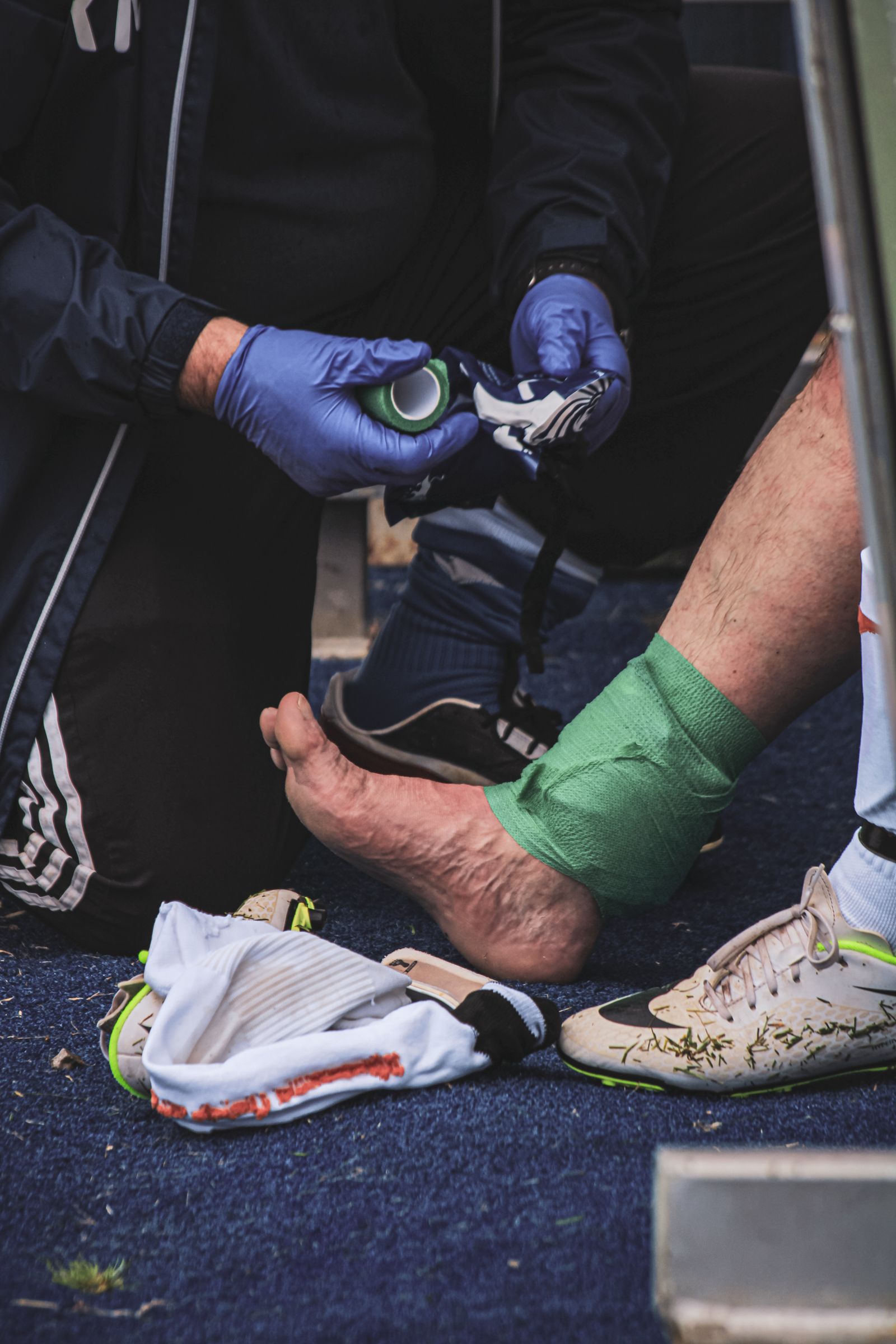
Canadian shopping route • Active Medibrace foot and ankle braces • Lightweight ankle selector for shoe fit, low-profile support, side stability, and not-right-route guidance
Quick selector: choose by lightweight ankle-brace scenario
| If this is your lightweight-brace scenario | Choose this support type | Medibrace option | Why it fits a lightweight choice |
|---|---|---|---|
| You need the lowest-profile ankle support that still fits everyday shoes | Low-profile athletic ankle support | ZAMST Filmista Ankle | Keeps the first decision on shoe fit and low bulk instead of starting with the strongest brace. |
| You want adjustable support but still care about weight and shoe fit | Lace-up support with stabilizing strap | Corflex Marathon Active Lace-Up Ankle Support | Adds adjustable support when the shoe has enough volume for a lace-up profile. |
| Side-to-side stability matters more than the thinnest feel | Strapped lace-up ankle stabilizer | BREG Wraptor Ankle Stabilizer | Prioritizes side-to-side control for shoppers who accept more brace presence. |
| Support matters more than the lightest possible brace | Structured sport ankle brace | Aircast Airsport Ankle Brace | A more structured route when support takes priority and shoe fit is verified. |
| Light compression and very low-bulk support needs | Ankle bracing sleeve | OS1st AF7 Ankle Bracing Sleeve | Low-profile compression feel, but not enough when side instability is the main issue. |
What changes when the brace needs to be lightweight?
A lightweight ankle-brace decision is not the same as choosing the strongest ankle stabilizer. The brace has to fit the shoe, feel manageable during walking or activity, and still provide enough support for the reason you are wearing it. A sleeve may feel best in shoes but can be too light for side-to-side rolling; a lace-up brace adds stability but also adds profile.
Compared with a general ankle-stability route, this page puts more weight on low bulk, shoe volume, heat, strap thickness, and whether minimal support is enough. If repeated rolling or recent sprain symptoms are the main issue, compare the stability or sprain route instead of treating lightweight feel as the top priority.
Recommended Medibrace lightweight ankle-brace options
ZAMST Filmista Ankle

- Role: Best lightweight athletic route
- Support type: thin athletic ankle support
- Price: $90.99
- Best lightweight scenario: shoppers who want a very low-profile brace for shoes, training, commuting, or sport without a bulky lace-up feel
- Tradeoff: Lower-profile support means less structure than a stronger lace-up or shell brace.
Corflex Marathon Active Lace-Up Ankle Support w/Stabilizing Strap Ankle Brace

- Role: Best lightweight-feeling lace-up comparison
- Support type: lace-up ankle support with stabilizing strap
- Price: $74.99
- Best lightweight scenario: buyers who still want adjustable side support but are trying to avoid the heaviest brace profile
- Tradeoff: Bulkier than a sleeve or film-style brace and may not fit narrow shoes.
Shop Corflex Marathon Active Lace-Up Ankle Support w/Stabilizing Strap Ankle Brace
BREG Wraptor Ankle Stabilizer

- Role: Best support-first lightweight alternative
- Support type: lace-up ankle stabilizer with straps
- Price: $69.60
- Best lightweight scenario: shoppers who can accept more brace presence because side-to-side control matters more than minimal bulk
- Tradeoff: More brace presence than low-profile supports; test it in the actual shoe before activity.
Aircast Airsport Ankle Brace

- Role: Best structured comparison when lightweight is not enough
- Support type: structured ankle brace
- Price: $82.99
- Best lightweight scenario: buyers comparing lightweight options but needing more support than a sleeve or thin strap can provide
- Tradeoff: Can feel too structured or bulky when the main goal is the lightest shoe-friendly fit.
OS1st AF7 Ankle Bracing Sleeve

- Role: Best light compression sleeve route
- Support type: ankle bracing sleeve
- Price: $49.99
- Best lightweight scenario: shoppers who mainly want light compression and a minimal feel for low-support needs
- Tradeoff: Not the right choice when rolling, side instability, or stronger brace control is the main concern.
Low-profile sleeve, lace-up brace, or structured support?
| Support route | Best lightweight context | Main advantage | Not the right route when... |
|---|---|---|---|
| Low-profile athletic support | Everyday shoes, training, commuting, and buyers who need minimal bulk | Better shoe fit and less bulk than most stronger braces | Side-to-side instability is the main concern |
| Lace-up support with strap | Activity, walking, and moderate stability needs | Adjustable side support without jumping straight to rigid shells | The shoe becomes too tight or changes walking or running mechanics |
| Strapped stabilizer | Rolling concerns where support matters more than thinness | More lateral control than a sleeve | You need the lowest-profile daily feel |
| Structured sport brace | Support-first use after shoe fit is verified | More structure for families prioritizing stability | It crowds the shoe or feels heavier than needed |
| Ankle sleeve | Light compression and warm-up comfort | Minimal profile inside footwear | You need meaningful side support for cutting or rolling |
Fit, use, and safety guidance for lightweight ankle braces
- Always test the brace with the socks and shoes you plan to use most often.
- Check for pressure points after five to ten minutes of walking, stairs, or activity.
- The brace should not change your gait, balance, or how your foot sits in the shoe.
- Do not tighten a brace to push through pain, limping, swelling, numbness, or reduced weight bearing.
- For new injury, major swelling, suspected fracture, numbness, progressive weakness, repeated rolling, or inability to bear weight, get qualified assessment before selecting a lightweight brace.
Health and safety note: This Medibrace guide is general product-selection information only. It does not diagnose, treat, cure, prevent, prescribe, or replace advice from a licensed clinician.
When this page is not the right route
This page is for shoppers comparing ankle support where low weight, shoe fit, and minimal bulk are important. It is not the right route when the main need is maximum stability, acute sprain care, a prescribed walking boot, significant swelling, or repeated ankle rolling that should be assessed before choosing a light brace.
Related Medibrace routes
FAQ
What is the best lightweight ankle brace in Canada?
The best lightweight ankle brace is usually a low-profile athletic support or ankle sleeve when shoe fit and minimal bulk matter most. If rolling or side instability is the main concern, move from a sleeve to a lace-up or strapped stabilizer.
Can a lightweight ankle brace fit in regular shoes?
Often, but shoe fit is the hard gate. Test the brace with your usual socks and shoes. If it crowds the toes, changes gait, or creates pressure points, choose a lower-profile sleeve or get fitting help.
Is an ankle sleeve enough support?
A sleeve can work for light compression and a minimal feel, but it is usually not enough when the main concern is side-to-side rolling or repeated instability. Those scenarios usually need a lace-up, strapped, or structured support route.
When is this page not the right route?
This page is not the right route for a new injury, major swelling, suspected fracture, inability to bear weight, numbness, progressive weakness, repeated rolling, or a prescribed boot. It is also not the best route when maximum stability matters more than lightweight feel.