
Best Orthopedic Walking Boot Canada
Best Orthopedic Walking Boot Canada: Compare Short, Tall, Air, ROM, and Full-Shell Walkers
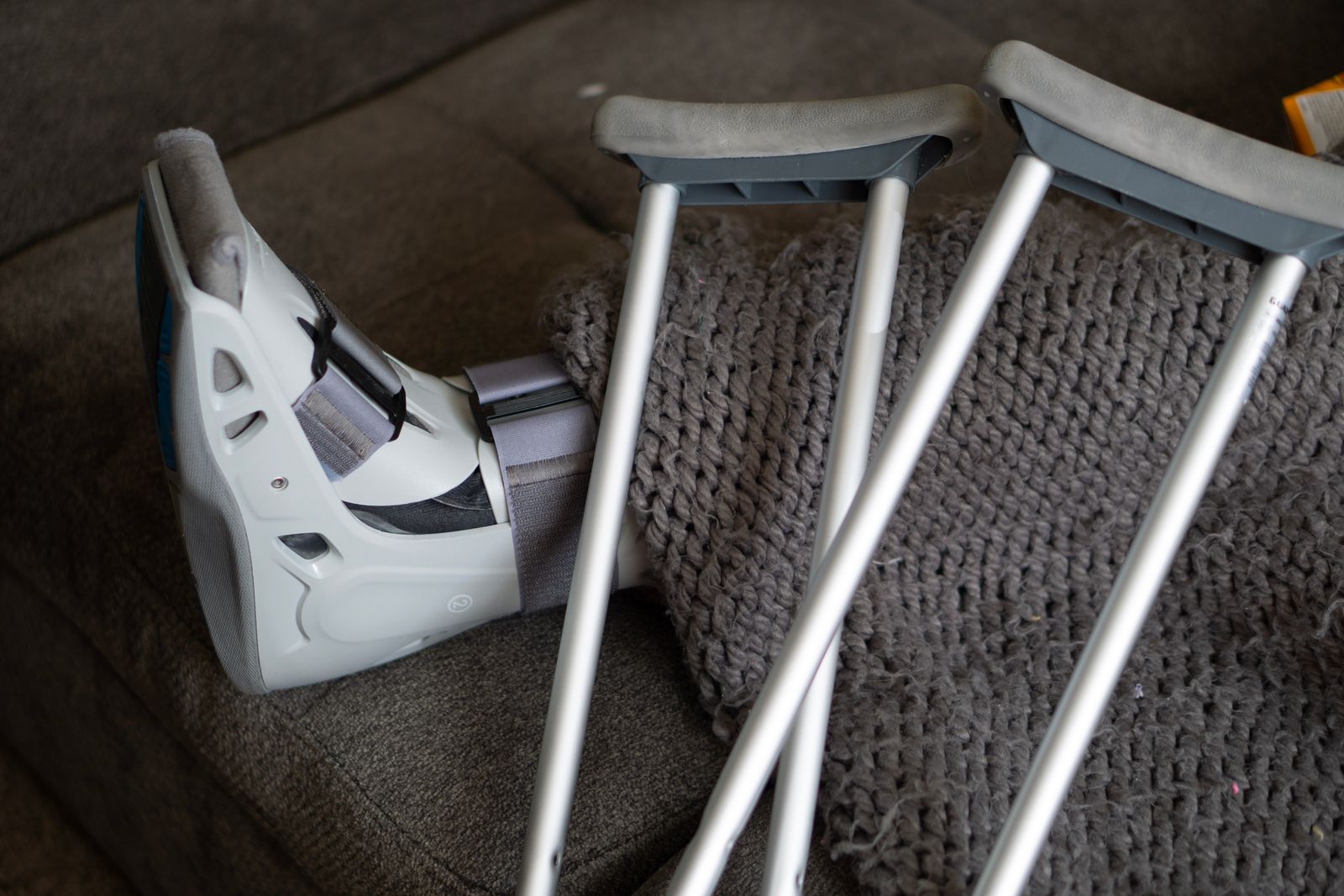
Direct answer: The best orthopedic walking boot in Canada is the boot style that matches your prescribed support type: short walker, tall or full-shell walker, air walker, or ROM walker. Once that category is clear, compare boot height, shell structure, swelling room, rocker-sole feel, strap adjustability, and daily-use bulk.
Canadian shopping route • Active Medibrace walking boots • Orthopedic walker selector for short versus tall boots, ROM control, air padding, shell support, swelling room, and when a different support route fits better
Quick selector: choose by orthopedic walking-boot need
| If this is your walking-boot scenario | Choose this support type | Medibrace option | Why it fits this decision |
|---|---|---|---|
| You were told to use a lower-profile boot | Short walking boot | BREG Vectra Premium Short Walking Boot | Shorter and less bulky while still staying in the orthopedic walker family. |
| Your plan includes controlled motion settings | ROM walking boot | Corflex R.O.M. Walker Walking Boot | Adds adjustable positioning when fixed walking boots are not specific enough. |
| You want padded adjustability after boot height is confirmed | Air walking boot | Corflex Marathon Air Walker - Ankle & Tall Walking Boot | Air support helps fine-tune comfort around swelling and strap pressure. |
| You need more shell support and taller coverage | Full-shell walking boot | BREG Genesis Full Shell Walker | A more protective orthopedic route when support and structure matter more than low bulk. |
| You need long air-walker coverage | Long air walker | SPORLASTIC SP AIR WALKER - Long Foot Brace | Combines long coverage with air-supported fit for higher-support walking-boot instructions. |
What changes when the query is “orthopedic walking boot”?
An orthopedic walking boot page has to start broader than a fracture-specific page. The key decision is not one diagnosis; it is which walker category you were told to use. Short walkers reduce bulk, tall and full-shell walkers add coverage, air walkers help fine-tune fit, and ROM walkers add motion-positioning control when that feature is part of the plan.
This page is not the right route if you only need light ankle support for sports, a brace after the walking boot phase, or a condition-specific boot decision such as a confirmed metatarsal fracture. In those cases, use the related ankle-brace, post-boot, or fracture-specific page instead.
Recommended Medibrace orthopedic walking boots
BREG Vectra Premium Short Walking Boot

- Role: Best short orthopedic walker route
- Support type: short walking boot
- Price: $399.00
- Best orthopedic walking-boot scenario: foot or ankle instructions where a lower-profile orthopedic walker is appropriate and less lower-leg coverage is desired
- Tradeoff: Not the right route when the instruction calls for tall immobilization, more shell coverage, or higher lower-leg control.
Corflex R.O.M. Walker Walking Boot

- Role: Best adjustable range-of-motion route
- Support type: ROM walking boot
- Price: $134.99
- Best orthopedic walking-boot scenario: orthopedic boot shoppers who were told to use controlled positioning or staged motion settings rather than a fixed walker
- Tradeoff: ROM settings should not be guessed; use this route only when the angle or motion plan is clear.
Corflex Marathon Air Walker - Ankle & Tall Walking Boot

- Role: Best air-walker value route
- Support type: air walking boot
- Price: $122.99
- Best orthopedic walking-boot scenario: buyers comparing padded support and adjustability after the required walking-boot height has been confirmed
- Tradeoff: Air bladders and straps can be over-tightened, especially when swelling changes during the day.
Shop Corflex Marathon Air Walker - Ankle & Tall Walking Boot
BREG Genesis Full Shell Walker

- Role: Best full-shell orthopedic support route
- Support type: full-shell walking boot
- Price: $165.00
- Best orthopedic walking-boot scenario: cases where protective shell structure, taller coverage, and daily walking-boot stability matter more than minimum bulk
- Tradeoff: Bulkier than a short walker and may be more support than needed for a low-profile foot-only instruction.
SPORLASTIC SP AIR WALKER- Long Foot Brace

- Role: Best long premium air-walker route
- Support type: long air walker
- Price: $225.00
- Best orthopedic walking-boot scenario: buyers who need a long orthopedic walking boot style with air-supported fit and more lower-leg coverage
- Tradeoff: Higher cost and more coverage; confirm it matches the prescribed boot height and use plan.
Short walker, tall walker, air walker, ROM walker, or full-shell boot?
| Boot route | Best orthopedic context | Main advantage | Not the right route when... |
|---|---|---|---|
| Short walking boot | Lower-profile foot or ankle support when tall coverage is not required | Less bulk and easier daily wear | The instruction calls for tall immobilization or more lower-leg control |
| Tall or full-shell walker | More structure, shell support, and walking-boot coverage | More protective feel and support | A short walker was specifically recommended |
| Air walker | Swelling room and padded fit adjustment matter | Air-supported comfort and strap adjustability | Pressure changes, numbness, or swelling are not being monitored |
| ROM walker | Controlled positioning or staged motion settings are required | Adjustable motion control | You do not have guidance for the setting |
Fit, use, and safety guidance for orthopedic walking boots
- Match the boot height and support type to the instructions you were given before comparing price or comfort.
- Check strap pressure, toe colour, numbness, tingling, and skin pressure after the first short wear period.
- Allow room for swelling changes without letting the foot slide or rotate inside the boot.
- Wear the liner evenly and tighten straps gradually from bottom to top unless told otherwise.
- If pain worsens, numbness appears, swelling increases, or walking feels unsafe, stop and seek guidance.
Health and safety note: This Medibrace guide is general product-selection information only. It does not diagnose, treat, cure, prevent, prescribe, or replace advice from a licensed clinician.
When this page is not the right route
This page helps compare orthopedic walking boot styles after a walking-boot route has been recommended or when you are matching a known instruction. It is not the right route for a new suspected fracture, open injury, severe swelling, numbness, major instability, inability to bear weight without assessment, prescribed casting, or non-weight-bearing plans. For lighter sport or post-boot support, compare ankle braces instead.
Related Medibrace routes
FAQ
What is the best orthopedic walking boot in Canada?
The best orthopedic walking boot is the one that matches your prescribed support type: short walker, tall or full-shell walker, air walker, or ROM walker. Compare height, shell structure, swelling room, rocker sole feel, and ease of fastening only after the correct category is clear.
Is an orthopedic walking boot the same as an ankle brace?
No. A walking boot is much more structured and bulky than an ankle brace. If you are shopping for sport, mild support, or post-boot transition, an ankle brace or support may be the better route.
Should I choose a short or tall orthopedic walking boot?
A short boot may be easier to wear when lower-leg coverage is not required. A tall or full-shell boot gives more structure and coverage. The right choice depends on the instruction you were given and the area that needs support.
When is this page not the right route?
This page is not the right route for a new injury needing assessment, severe swelling, numbness, open injury, major instability, suspected fracture without guidance, or a prescribed cast or non-weight-bearing plan.