
Best Posture Corrector Canada
Best Posture Corrector Canada: Choose Upper-Back, Clavicle, or Shoulder Posture Support
Direct answer: The best posture corrector for most Canadian shoppers is an upper-back or shoulder posture support that gives gentle cueing without acting like a rigid lower-back brace. Choose a breathable posture supporter for daily shoulder-position reminders, a clavicle brace when clavicle/shoulder positioning is the main need, and a back brace route only when the problem is lower-back or lifting support.
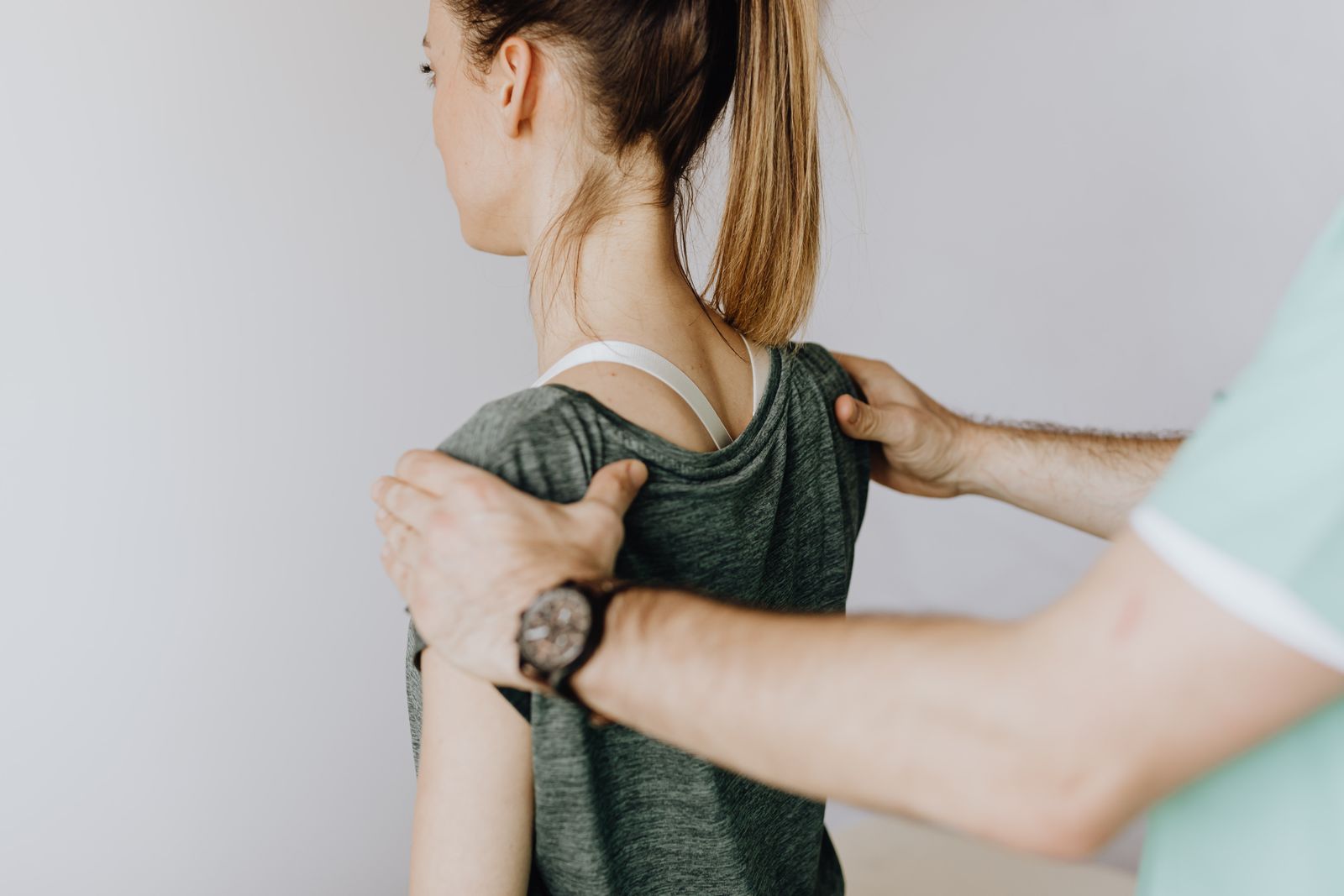
Canadian shopping route • Active Medibrace posture support options • Shoulder, clavicle, and back-brace tradeoffs explained
Quick selector
| If this is your scenario | Choose this support type | Medibrace option | Why it fits |
|---|---|---|---|
| You want a wearable reminder to keep shoulders from rounding forward | Breathable shoulder posture supporter | Orliman Breathable Shoulder Posture Supporter | Best first route for posture-corrector intent because it targets upper-back and shoulder positioning without lower-back bulk. |
| Your main need is clavicle/shoulder positioning support | Clavicle brace | M-Brace Clavicle Brace | More specific when the decision is clavicle-style shoulder positioning rather than a general back brace. |
| You want an adjustable clavicle-support option | Clavicle support | BREG Clavicle Support | A structured clavicle route for shoppers comparing posture supports by strap control and adjustability. |
| You need stronger shoulder-region support, not just a light reminder | Shoulder support | Orliman Strong Shoulder Support | Better when the scenario is shoulder support plus posture positioning, but it is more substantial than a daily cueing posture corrector. |
| The issue is lower-back pain, warehouse lifting, or work support | Back brace route | Back & Hip Braces | A posture corrector is not the right route when the buyer really needs lumbar or lifting support. |
What changes for posture corrector shopping?
A posture corrector page is different from a back brace page because the main job is usually cueing shoulder and upper-back position, not bracing the lumbar spine. That changes the support choice: lighter upper-back and clavicle designs make more sense for rounded-shoulder posture reminders, while lumbar braces are a better route for lifting, lower-back fatigue, or work support.
This page is not the right route if you need a lower-back brace for job tasks, sciatica-style symptoms, or heavy lifting. Use Back & Hip Braces, Best Back Brace for Work Canada, or Best Back Brace for Lifting at Work Canada instead.
Recommended Medibrace posture support options
Orliman Breathable Shoulder Posture Supporter

- Role: Best first posture-corrector route
- Support type: breathable shoulder posture supporter
- Price: $71.45
- Best for this query: it matches the rounded-shoulder cueing scenario without sending the buyer to a lumbar brace.
- Tradeoff: it is for posture cueing and shoulder positioning, not rigid lower-back support.
M-Brace Clavicle Brace

- Role: Best clavicle-positioning route
- Support type: clavicle brace
- Price: $110.55
- Best for this query: it fits shoppers whose posture question is really about clavicle and shoulder-position support.
- Tradeoff: it is more specific than a general posture supporter and may be too focused for simple daily cueing.
BREG Clavicle Support

- Role: Best adjustable clavicle support
- Support type: clavicle support
- Price: $63.23
- Best for this query: it gives a structured clavicle-support route when adjustability and shoulder positioning matter.
- Tradeoff: it is not a full back brace and is not the right route for lumbar lifting support.
Orliman Strong Shoulder Support

- Role: Best stronger shoulder-support option
- Support type: shoulder support
- Price: $59.99
- Best for this query: it fits the scenario where the buyer needs more shoulder-region support than a light posture reminder.
- Tradeoff: it is a more substantial shoulder support, so it may be more than needed for simple posture reminders.
Posture corrector vs clavicle brace vs back brace
| Support route | Best use | Main advantage | Main limitation |
|---|---|---|---|
| Posture supporter | Rounded-shoulder cueing and upper-back reminders | Lower bulk and easier daily wear | Not a rigid lumbar brace |
| Clavicle brace | Clavicle and shoulder positioning support | More specific shoulder-position control | May be too specific for general posture cueing |
| Shoulder support | Shoulder-region support plus positioning | More supportive than a light posture reminder | Bulkier and not primarily a lumbar-support product |
| Back brace | Lower-back, work, or lifting support | Better for lumbar support decisions | Wrong first route for rounded-shoulder posture cueing |
Fit, use, and safety guidance
- Choose the least bulky support that gives a useful posture reminder for the actual scenario.
- Adjust straps so they cue posture without pinching the shoulders, armpits, or neck.
- Do not use a tighter fit to force an unnatural position.
- Recheck comfort during sitting, desk work, standing, and light movement.
- Stop use and seek professional guidance if you notice numbness, tingling, colour change, worsening pain, weakness, breathing discomfort, or skin irritation.
When this page is not the right route
This page is not the best route for lower-back support, heavy work lifting, sciatica-style symptoms, sudden severe pain, numbness, weakness, recent trauma, or symptoms that are worsening. For lumbar and work-support decisions, use Back & Hip Braces or the related back-brace guides below.
This page provides general product-selection guidance only. It does not provide a diagnosis, medical plan, or replacement for advice from a licensed clinician.
Related Medibrace routes
FAQs
What is the best posture corrector in Canada?
The best posture corrector depends on whether you need gentle upper-back cueing, clavicle-style shoulder positioning, or a stronger shoulder-support route. For lower-back or lifting support, choose a back brace route instead.
Is a posture corrector the same as a back brace?
No. A posture corrector usually cues upper-back and shoulder position. A back brace is usually chosen for lumbar, work, or lifting support.
Can I wear a posture corrector all day?
Follow the product's fit and use guidance. Many shoppers use posture supports as short-duration reminders rather than forcing a rigid position all day.
When is this page not the right route?
This page is not the right route for severe pain, numbness, weakness, recent trauma, lower-back lifting support, or symptoms that need clinical assessment.
This page is for informational purposes only and does not constitute medical advice. Always consult a qualified healthcare provider before selecting a brace or support for your condition.
Choosing support for this use: This guide focuses on the posture corrector scenario, including fit, support level, activity demands, and when a different support may make more sense. If your need is different, compare: back brace for posture, posture corrector for neck hump. This helps separate the recommendation by activity, fit, support level, and when this page is not the right route.