
Shoulder Brace Best Canada
Best Shoulder Brace in Canada: Choose Support, Stabilization, Sling, or Posture Fit
Direct answer: The best shoulder brace in Canada depends on the support job: active shoulder support for movement, stronger stabilization for guided control, an adjustable wrap for sport/activity fit, a sling or immobilizer when motion should be limited, and posture/clavicle support when the issue is not the shoulder joint itself.

Canadian shopping route • Active Medibrace shoulder products • Support-type selector before checkout
Quick selector: match the shoulder support type to your scenario
| If your shoulder-brace need is... | Choose this support type | Medibrace option | Why it fits |
|---|---|---|---|
| You want support while the shoulder can still move | Active knit shoulder support | Bauerfeind OmoTrain | Best starting route for broad shoulder-brace shoppers. |
| You want stronger active guidance without a sling | Active stabilizing shoulder brace | Bauerfeind OmoTrain S | Adds support logic before immobilizer-level bracing. |
| Sport or activity fit is the main issue | Adjustable shoulder wrap | ZAMST Shoulder Wrap | Wrap format can be tested with clothing, sport, and range-of-motion needs. |
| A sling or immobilizer is required | Shoulder sling/immobilizer | BREG SlingShot 2 | Routes post-injury or clinician-guided immobilization away from active supports. |
| Posture or clavicle position is the real need | Clavicle/posture support | BREG Clavicle Support | Better detour when the search says shoulder but the support target is posture/clavicle. |
What changes on a broad “best shoulder brace” page?
A broad shoulder-brace query is not the same as a rotator-cuff page, dislocation-prevention page, posture corrector page, or sling page. The first decision is whether you need movement-friendly support, stronger stabilization, motion restriction, or posture/clavicle positioning. Buying the strongest-looking brace can be the wrong route if your actual need is a sling, and buying a sling can be too restrictive if you only need light active support.
If sport fit is the main issue, compare Sports Shoulder Supports. If you were told to use a sling or immobilizer, start with Slings / Immobilizers. If your question is specifically dislocation-prevention, use Best Shoulder Brace to Prevent Dislocation Canada.
Recommended Medibrace shoulder brace options
1. Bauerfeind OmoTrain Shoulder Brace
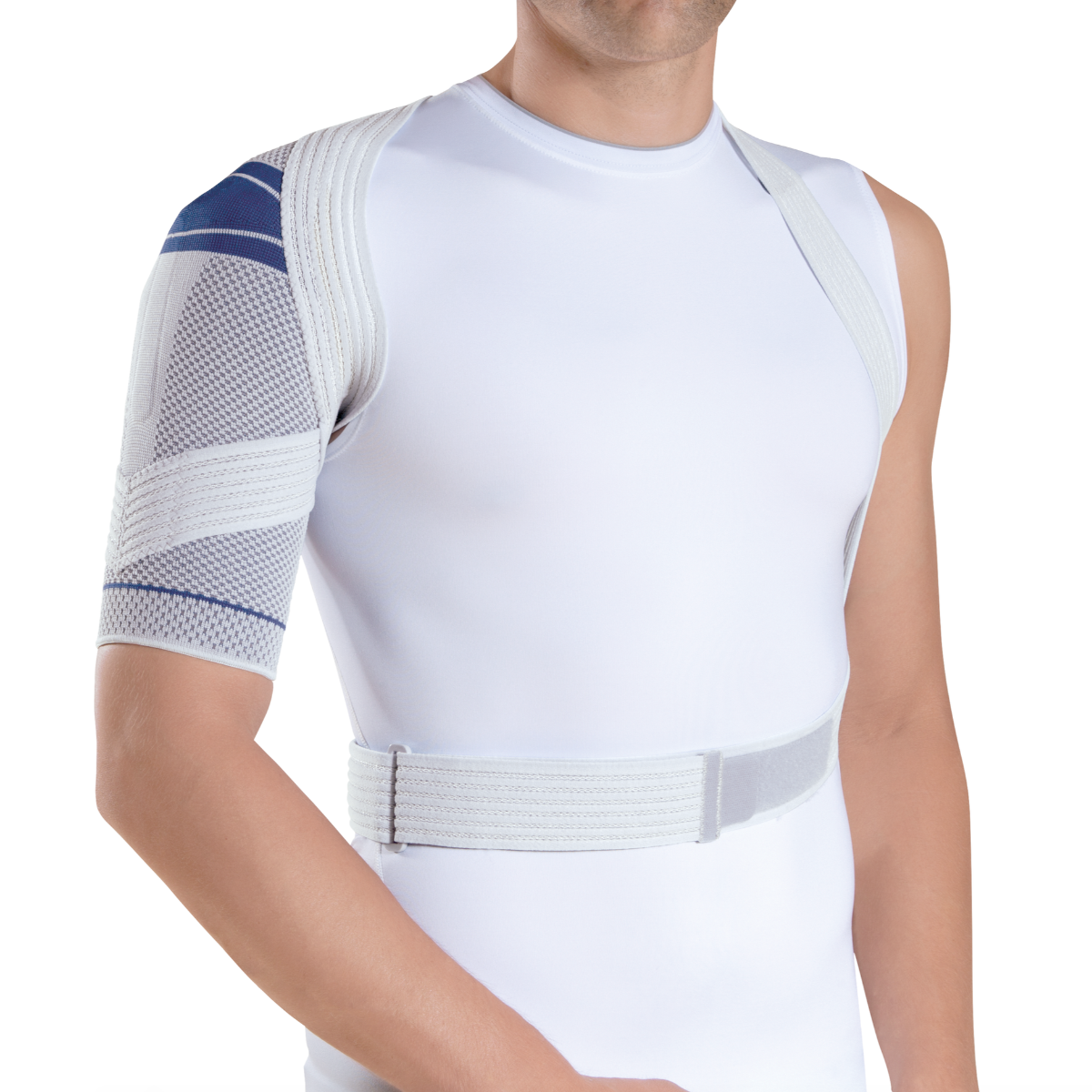
- Role: Best active shoulder support
- Support type: knit shoulder support/stabilizer
- Price: $310.00
- Best for this shoulder-brace scenario: general shoulder-support shoppers who want compression, comfort, and guided shoulder movement rather than a sling
- Tradeoff: not an immobilizer and not the right route for post-operative sling instructions
2. Bauerfeind OmoTrain S Shoulder Brace
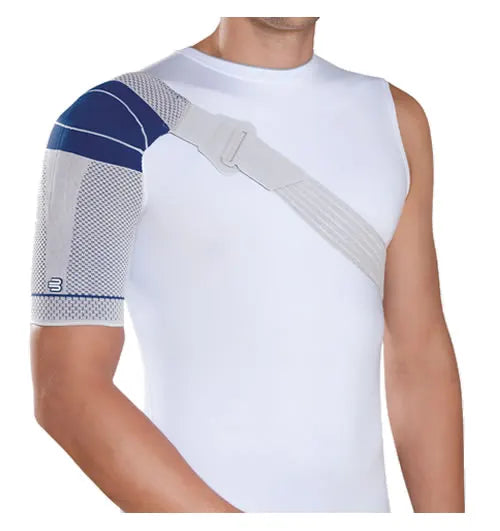
- Role: Best stronger active stabilizer
- Support type: active shoulder stabilizing brace
- Price: $310.00
- Best for this shoulder-brace scenario: buyers who want a more stabilizing active brace while keeping shoulder movement possible
- Tradeoff: more brace than a light posture support and still not a prescribed immobilizer
3. ZAMST Shoulder Wrap
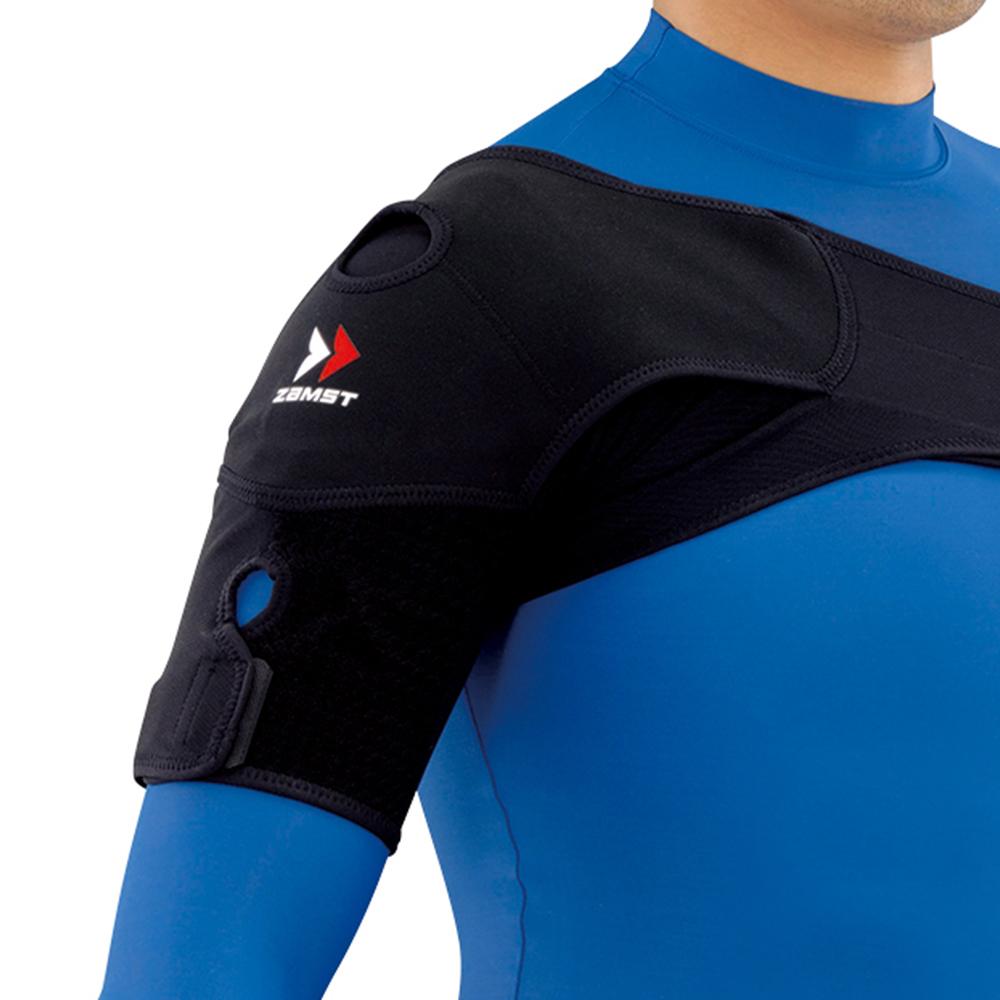
- Role: Best sport wrap option
- Support type: adjustable shoulder wrap
- Price: $157.99
- Best for this shoulder-brace scenario: sport and activity shoppers who want an adjustable wrap-style support before considering sling-style immobilization
- Tradeoff: wrap fit must be tested with the exact activity and clothing layers
4. BREG SlingShot 2 Shoulder Brace
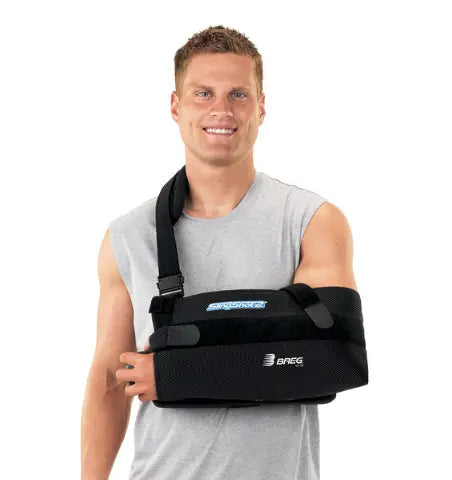
- Role: Best immobilizer/sling route
- Support type: shoulder sling/immobilizer
- Price: $185.00
- Best for this shoulder-brace scenario: situations where a sling or immobilizer format is the actual shopping need, especially after clinician direction
- Tradeoff: too restrictive for general posture, sport, or light-support questions
5. BREG Clavicle Support
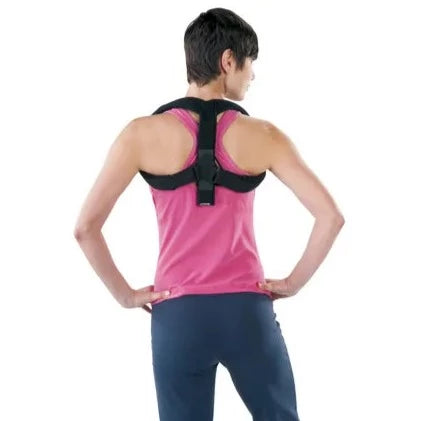
- Role: Best posture/clavicle detour
- Support type: clavicle/posture support
- Price: $63.23
- Best for this shoulder-brace scenario: buyers who searched shoulder brace but actually need posture or clavicle positioning support
- Tradeoff: not a rotator-cuff, instability, or sling solution
Active support vs stabilizer vs sling vs posture support
| Support route | Best use | Main advantage | Main limitation |
|---|---|---|---|
| Active shoulder support | General movement-friendly support | Compression and guidance while the shoulder can move | Not a motion-blocking immobilizer |
| Stronger shoulder stabilizer | When active support feels too light | More control without fully routing to a sling | More involved fit and coverage |
| Adjustable sport wrap | Activity, clothing, and range-of-motion fit | Adjustable support feel for sport contexts | Must be tested with the exact activity |
| Sling/immobilizer | Clinician-guided motion restriction | Limits shoulder and arm movement | Too restrictive for broad daily support |
| Clavicle/posture support | Posture or clavicle-positioning needs | Routes non-joint shoulder searches correctly | Not a shoulder-joint stabilizer |
Fit, use, and safety guidance
- Choose the support type before choosing the product: active support, stabilizer, sling, or posture/clavicle route.
- Check strap edges around the neck, chest, underarm, and upper arm before wearing for a full day.
- Do not use an active support as a substitute for prescribed immobilization.
- Do not use a sling to self-manage a severe shoulder injury, suspected dislocation, suspected fracture, or post-surgical plan unless directed.
- Remove the brace and seek guidance if you notice numbness, tingling, colour change, worsening pain, major weakness, swelling, or loss of motion.
When this page is not the right route
This broad selector is not the right route if you have a fresh dislocation, suspected fracture, severe trauma, post-surgical instructions, major weakness, numbness, or a clinician-prescribed immobilizer. It is also not the best route if the search is mainly posture correction, clavicle support, sports shoulder support, or sling selection; use the related page or category that matches that scenario.
Health and safety note: This Medibrace guide is general product-selection information only. It does not diagnose, prescribe, make medical decisions, or replace advice from a licensed clinician.
Related Medibrace routes
FAQ
What shoulder brace is best?
The best shoulder brace is the one that matches the support route: active support for movement, stronger stabilizer for guided control, sport wrap for activity fit, sling/immobilizer for motion restriction, or posture/clavicle support when the shoulder joint is not the main issue.
Should I choose a shoulder brace or a sling?
Choose an active brace or wrap when movement-friendly support is appropriate. Choose a sling or immobilizer only when motion restriction is the actual need, especially if a clinician has directed it.
When should I avoid self-selecting a shoulder brace?
Avoid self-selecting for severe trauma, suspected fracture or dislocation, post-surgical care, numbness, major weakness, worsening pain, or prescribed immobilization instructions.