
Best Socks for Nurses Canada
Best Socks for Nurses Canada: Choose Compression by Shift Length, Shoe Fit, and Calf Comfort
Direct answer: The best socks for nurses in Canada are comfortable compression socks chosen by shift length, shoe volume, calf fit, and whether cushioning or a sleeker uniform look matters most. For long standing shifts, start with knee-high compression and then choose cushioned, soft, ribbed, or casual styles based on your workday.
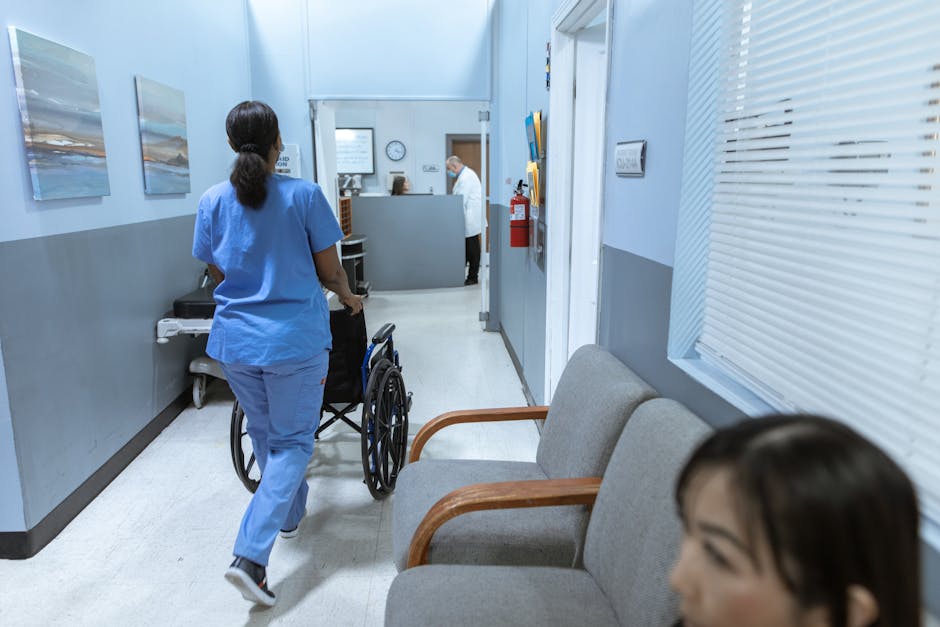
Canadian shopping route • Active Medibrace compression socks • Nurse-shift selection guidance before checkout
Quick selector: choose by nursing-shift scenario
| If your nurse-shift need is... | Choose this support type | Medibrace option | Why it fits this context |
|---|---|---|---|
| 12-hour hospital or clinic shifts on hard floors | Cushioned compression sock | Levaire Active Cushion Compression Sock | Adds underfoot comfort logic instead of choosing by pressure alone. |
| Regular-calf fit with premium knee-high compression | 20-30 mmHg knee-high sock | Bauerfeind VenoTrain Micro | Good polished work-shift route when sizing and pressure are chosen carefully. |
| Sensitive calves or fabric comfort is the priority | Soft knee-high compression sock | Bauerfeind VenoTrain Soft | Prioritizes calf comfort during repeated standing, walking, and charting. |
| Uniform-friendly sock for professional workwear | Ribbed compression sock | Levaire Business Ribbed | Cleaner workwear look with compression support for standing-heavy days. |
| Mixed clinic, commute, and after-shift wear | Casual compression sock | Levaire Casual Wear | Everyday feel when the shift is not only hospital-floor walking. |
Shop Compression Socks & Stockings
What changes for nurses?
Nursing shifts change the sock decision because the sock has to work inside clogs or running shoes, stay comfortable during standing rounds, tolerate sweat, and avoid calf-band digging late in the shift. This is not the same as choosing travel socks for seated time or dress compression for office wear.
If a clinician told you to use a specific pressure level, route to Best Medical Compression Socks Canada. If calf circumference is the blocker, compare wide-calf compression socks. If the use case is flying to a conference or vacation, use the travel compression socks route instead.
Recommended Medibrace socks for nurses
Levaire Active Cushion Compression Sock

- Role: Best cushioned long-shift sock
- Support type: cushioned compression sock
- Price: $64.50
- Best for nurses: nurses who want underfoot cushioning and calf support for long standing/walking shifts without choosing a dress sock first
- Tradeoff: more cushioned fabric may feel warmer or tighter in low-volume shoes
Bauerfeind VenoTrain Micro Knee-High Compression Socks 20-30 mmHg, Regular Calf

- Role: Best premium everyday compression route
- Support type: 20-30 mmHg knee-high compression sock
- Price: $130.99
- Best for nurses: nurses who want a polished knee-high sock for repeat workdays and have regular-calf fit needs
- Tradeoff: higher price and pressure/fit should be chosen carefully
Shop Bauerfeind VenoTrain Micro Knee-High Compression Socks 20-30 mmHg, Regular Calf
Bauerfeind VenoTrain Soft Knee-High Compression Socks 20-30 mmHg

- Role: Best soft-feel compression option
- Support type: soft knee-high compression sock
- Price: $135.00
- Best for nurses: nurses who prioritize fabric comfort around the calf during long charting, rounds, and commute-to-shift wear
- Tradeoff: less cushion underfoot than a dedicated cushioned work sock
Shop Bauerfeind VenoTrain Soft Knee-High Compression Socks 20-30 mmHg
Levaire Business Ribbed Compression Sock

- Role: Best uniform-friendly ribbed sock
- Support type: ribbed compression sock
- Price: $64.50
- Best for nurses: nurses who want a cleaner workwear look with compression for standing-heavy shifts
- Tradeoff: not the most cushioned option for hard hospital floors
Levaire Casual Wear Compression Sock

- Role: Best casual work-shift option
- Support type: casual compression sock
- Price: $64.50
- Best for nurses: nurses who want an everyday sock feel for mixed clinic, commute, and home-after-shift use
- Tradeoff: less formal than business-ribbed styles and less targeted than medical-pressure routes
Sigvaris Women’s Essential Opaque Knee High Compression Stockings 20-30 mmHg

- Role: Sigvaris measured-fit option
- Support type: measured-fit knee-high compression stocking
- Price: $98.00
- Best for this compression decision: best socks for nurses shoppers who want a Sigvaris option with real size, length, and shade selectors where available
- Tradeoff: Requires ankle/calf and garment-length measurement; not the right route if a clinician specified a different pressure or garment height.
Shop Sigvaris Women’s Essential Opaque Knee High Compression Stockings 20-30 mmHg
Sigvaris Essential Cotton Calf Knee High Compression Stockings 20-30 mmHg, Women’s

- Role: Sigvaris measured-fit option
- Support type: cotton knee-high compression stocking
- Price: $97.50
- Best for this compression decision: best socks for nurses shoppers who want a Sigvaris option with real size, length, and shade selectors where available
- Tradeoff: Requires ankle/calf and garment-length measurement; not the right route if a clinician specified a different pressure or garment height.
Shop Sigvaris Essential Cotton Calf Knee High Compression Stockings 20-30 mmHg, Women’s
Sigvaris Sea Island Cotton 220 Knee High Compression Socks 20-30 mmHg

- Role: Sigvaris measured-fit option
- Support type: cotton knee-high compression stocking
- Price: $117.00
- Best for this compression decision: best socks for nurses shoppers who want a Sigvaris option with real size, length, and shade selectors where available
- Tradeoff: Requires ankle/calf and garment-length measurement; not the right route if a clinician specified a different pressure or garment height.
Shop Sigvaris Sea Island Cotton 220 Knee High Compression Socks 20-30 mmHg
Cushioned vs soft vs ribbed vs casual compression socks for nurses
| Route | Best nurse-shift use | Main advantage | Watchout |
|---|---|---|---|
| Cushioned compression sock | Long shifts on hard floors | Adds foot comfort to calf support | Can take more shoe room |
| 20-30 mmHg knee-high sock | Pressure-guided workdays | Clearer compression route | Sizing and clinician instructions matter |
| Soft knee-high sock | Calf comfort over long wear | Gentler fabric feel | Less underfoot cushion |
| Ribbed/business sock | Uniform or dress-code settings | Professional appearance | Not as plush underfoot |
| Casual compression sock | Clinic, commute, and daily wear | Easy everyday feel | Less specialized than pressure-first options |
Fit, use, and safety guidance for nurses
- Try new socks with the work shoes you actually wear; compression plus cushioning can change shoe volume.
- Measure calf and ankle from the product size chart rather than guessing from shoe or pant size.
- Check the top band during a shift-length trial: it should stay up without painful digging or rolling.
- Remove socks if you notice numbness, tingling, colour change, coldness, skin irritation, or worsening discomfort.
- Ask a licensed clinician for pressure guidance if you have vascular conditions, diabetes-related foot concerns, pregnancy-related concerns, or a prescribed compression plan.
When this page is not the right route
This page is for nurses choosing work-shift socks. It is not the right route for a prescribed medical compression plan, wound/skin-risk management, sudden one-sided leg swelling, severe calf pain, chest pain, shortness of breath, numbness, or colour change. It is also not the best route when the main question is travel sitting time, wide-calf fit, or thigh-high stockings.
Health and safety note: This Medibrace guide is general product-selection information only. It does not diagnose, prescribe, or replace advice from a licensed clinician.
Related Medibrace routes
FAQ
What socks are best for nurses on long shifts?
Most nurses should start with a comfortable knee-high compression sock that fits their calf and work shoes, then decide whether cushioning, softer fabric, or a more uniform-friendly look matters most.
Are compression socks for nurses different from travel socks?
Yes. Nurse-shift socks must handle standing, walking, sweat, shoe space, and repeated floor contact. Travel socks are chosen more around seated time, airport wear, and swelling comfort during flights.
Should nurses choose 20-30 mmHg compression socks?
Some shoppers choose 20-30 mmHg when they want a firmer knee-high compression route, but sizing and comfort matter. Follow clinician instructions if a pressure level has been recommended.
When is this page not the right route?
Use a medical-compression page when a clinician prescribed a specific pressure or diagnosis-related plan, a wide-calf page when calf fit is the blocker, and urgent care for sudden one-sided swelling, severe pain, colour change, numbness, chest pain, or shortness of breath.