
Best Volleyball Wrist Brace Canada
Best Volleyball Wrist Brace Canada: Passing, Setting, or Support?
Direct answer: The best wrist brace for volleyball in Canada is usually a low-profile wrist sleeve or wrist band if you need light support without losing ball feel. Choose a more structured wrist brace for practice or cautious return when support matters more than speed. If thumb-side grip pain is involved, use a wrist-and-thumb route instead.
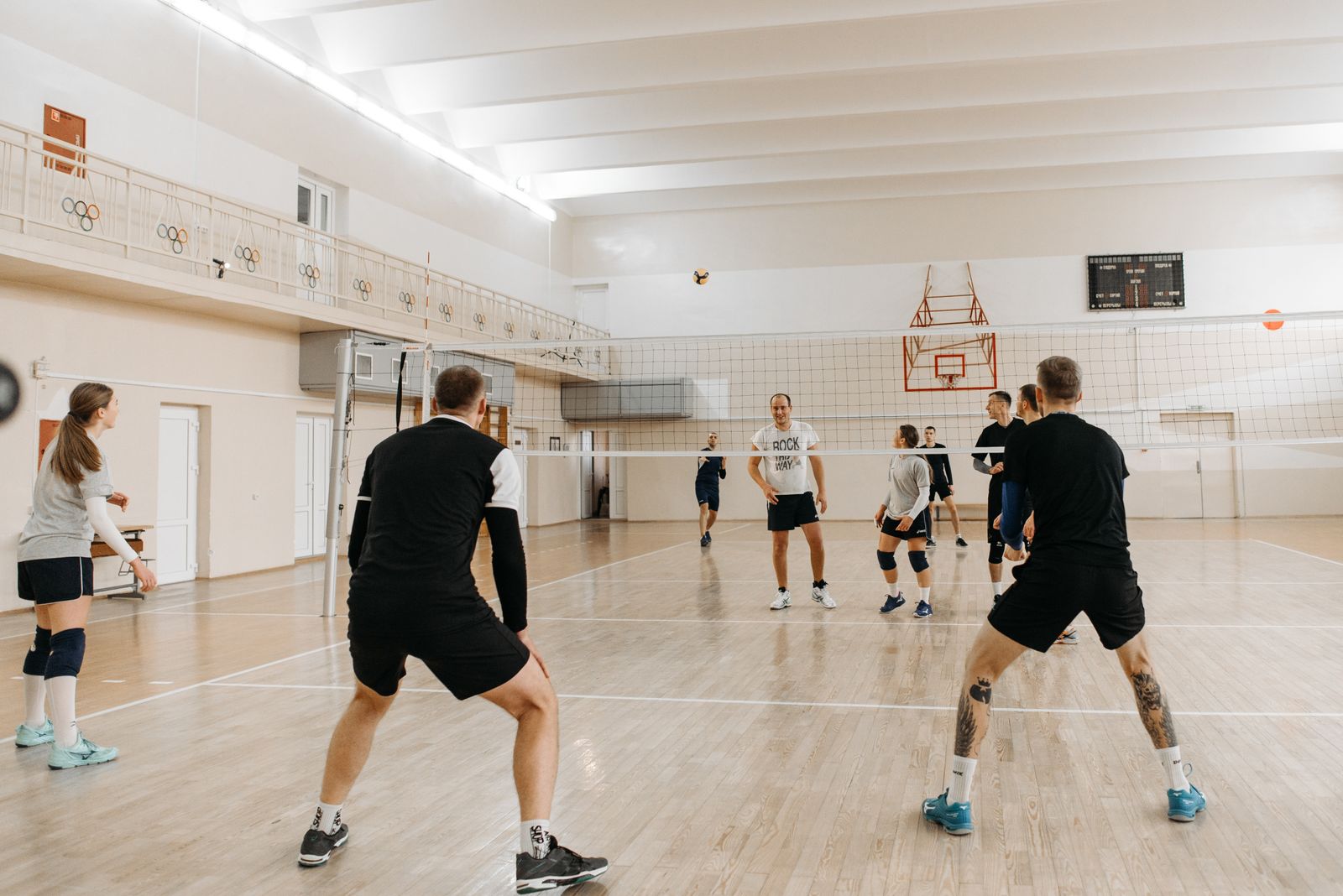
Canadian shopping route • Active Medibrace wrist and thumb supports • Volleyball-specific sleeve vs band vs brace guidance
Quick selector: choose by volleyball scenario
| If this happens on court | Choose this support type | Medibrace route | Why it fits |
|---|---|---|---|
| You want light wrist support for passing and setting | Low-profile compression sleeve | OS1st WS6 Performance Wrist Sleeve | Adds light compression while keeping the palm, fingers, and thumb free for clean ball contact. |
| You want the least bulky option for forearm passing | Wrist band / adjustable support | ZAMST Wrist Band | Targets the wrist without covering the palm, useful when ball feel and quick hand position changes matter. |
| You need more support for drills or cautious return | Contoured wrist brace | Bauerfeind ManuTrain Wrist Brace | Adds more structure than a sleeve, but may be too bulky for full-speed digs, sets, and dives. |
| Thumb-side ball contact changes the decision | Wrist-and-thumb support | Bauerfeind ManuTrain | A thumb-inclusive route is better when symptoms include the thumb side during setting, blocking, or landing. |
| You need rigid control after a clear sprain, fall, or worsening symptoms | Not a volleyball-first brace route | Wrist & Thumb category or clinician guidance | A volleyball wrist brace should not replace assessment for major sprains, fractures, numbness, weakness, severe swelling, or worsening pain. |
What changes for volleyball?
A volleyball wrist brace has to preserve ball feel, quick hand position changes, forearm passing angle, setting touch, blocking position, and enough wrist freedom for controlled landings. That is different from a broad best wrist brace page, where night splints, immobilizing braces, computer-work supports, and recovery-focused options may be in scope. For volleyball, the key tradeoff is support versus clean ball contact and hand freedom.
If the wrist feels unstable after a clear sprain, compare with Best Brace for Wrist Sprain Canada. If the shopping context is sport hand load but not volleyball ball contact, compare nearby routes like Best Wrist Brace for Tennis Canada or Best Wrist Brace for Push Ups Canada. If pain is sharp, traumatic, worsening, or includes numbness or weakness, pause play and get assessed before choosing a brace.
Recommended Medibrace wrist supports for volleyball
OS1st WS6 Performance Wrist Sleeve

- Role: Best low-profile volleyball sleeve route
- Support type: compression wrist sleeve
- Price: $48.41
- Best volleyball context: players who want light wrist compression for passing and setting without locking the hand
- Tradeoff: Less control than a brace with stays; not for major instability, acute impact injury, or return-to-play clearance.
ZAMST Wrist Band

- Role: Best minimal court support for ball contact
- Support type: wrist band / adjustable support
- Price: $65.99
- Best volleyball context: players who want targeted wrist support with maximum hand freedom for forearm passing and quick sets
- Tradeoff: Minimal coverage; choose a sleeve or brace when you want broader compression or more structure.
Bauerfeind ManuTrain Wrist Brace

- Role: Best premium wrist brace for controlled drills
- Support type: contoured wrist brace with stabilizing strap
- Price: $190.00
- Best volleyball context: players who need more support than a sleeve for practice, controlled pepper drills, or cautious court return
- Tradeoff: Bulkier and more structured than most players want for full-speed setting, digging, or diving.
New Bauerfeind ManuTrain

- Role: Best wrist-and-thumb detour when thumb side is involved
- Support type: wrist brace with thumb support
- Price: $190.00
- Best volleyball context: players whose discomfort includes the thumb side during ball contact, finger setting, or landing on the hand
- Tradeoff: Too much thumb coverage if you only need simple wrist compression for passing or setting.
SPORLASTIC MANU-HiT® Wrist Orthosis

- Role: Best structured wrist orthosis detour
- Support type: wrist orthosis
- Price: $160.00
- Best volleyball context: shoppers who need a more supportive non-sleeve option for off-court support or cautious activity planning
- Tradeoff: Not a flexible volleyball sleeve; avoid using a rigid feel to force play through symptoms.
Sleeve vs wrist band vs structured brace for volleyball
| Support route | Best volleyball context | Main advantage | Not the right route when... |
|---|---|---|---|
| Compression wrist sleeve | Practice, passing drills, setting reps, and players who value ball feel | Broad light compression while keeping the thumb and hand free | You need firm immobilization or thumb-side support |
| Wrist band | Minimal support during passing, setting, blocking, and landings | Lower profile than a brace or full sleeve | You need broad compression or stronger control |
| Contoured wrist brace | Practice sessions or cautious return when support matters more than court freedom | More structure than a sleeve | Bulk changes your pass, set, or ball feel |
| Wrist-and-thumb brace | Thumb-side symptoms during setting, blocking, ball contact, or landing on the hand | Adds thumb-side support when wrist-only options miss the issue | Your issue is only general wrist fatigue or light soreness |
Fit, use, and safety guidance
- Choose the lowest-profile support that lets you pass, set, and open the hand naturally without changing ball contact.
- Test the brace during warm-up passing, setting, and controlled digs before full-speed play.
- A brace should feel snug, not numb, tingly, or restrictive through the hand.
- If thumb-side symptoms appear during setting, blocking, or landings, wrist-only support may be the wrong route.
- Do not use a brace to keep playing through sudden injury, worsening pain, hand weakness, severe swelling, or numbness.
Health and safety note: This Medibrace guide is general product-selection information only. It does not diagnose, prescribe, treat, cure, prevent, or replace advice from a licensed clinician.
When this page is not the right route
This page is not the right route if you need a rigid splint for all-day immobilization, a post-surgical protocol, a fracture route, a carpal tunnel night brace, or assessment after a fall or sudden wrist injury. It is also not the right route when your main issue is elbow load from hitting or serving; use an elbow support route instead.
Related Medibrace routes
FAQ
What is the best wrist brace for volleyball in Canada?
For volleyball, start with a low-profile wrist sleeve or wrist band when ball feel, hand position changes, passing, and setting matter. Move to a more structured wrist brace for practice or cautious return when you need more support. If thumb-side symptoms are involved, consider a wrist-and-thumb support instead.
Can I play volleyball with a wrist brace?
Some players use low-profile support during light practice, controlled drills, or return-to-court planning, but a brace should not change your passing platform, setting touch, or landing habits. Stop and get assessed if pain worsens, grip weakens, swelling increases, or numbness appears.
Is a wrist sleeve or brace better for volleyball?
A wrist sleeve is usually better when you need light compression with ball feel. A brace is better when you want more structure for practice or daily support, but it may feel bulky during passing, setting, blocking, or quick hand position changes.
When is this page not the right route?
This page is not the right route for fractures, major sprains, post-surgical instructions, unexplained numbness, hand weakness, severe swelling, or pain that changes your passing, setting, or landing mechanics. Use clinical guidance or a wrist-sprain support route first.