
Best Walking Boot For Peroneal Tendonitis Canada
Best Walking Boot For Peroneal Tendonitis Canada: Choose the Right Immobilization Route
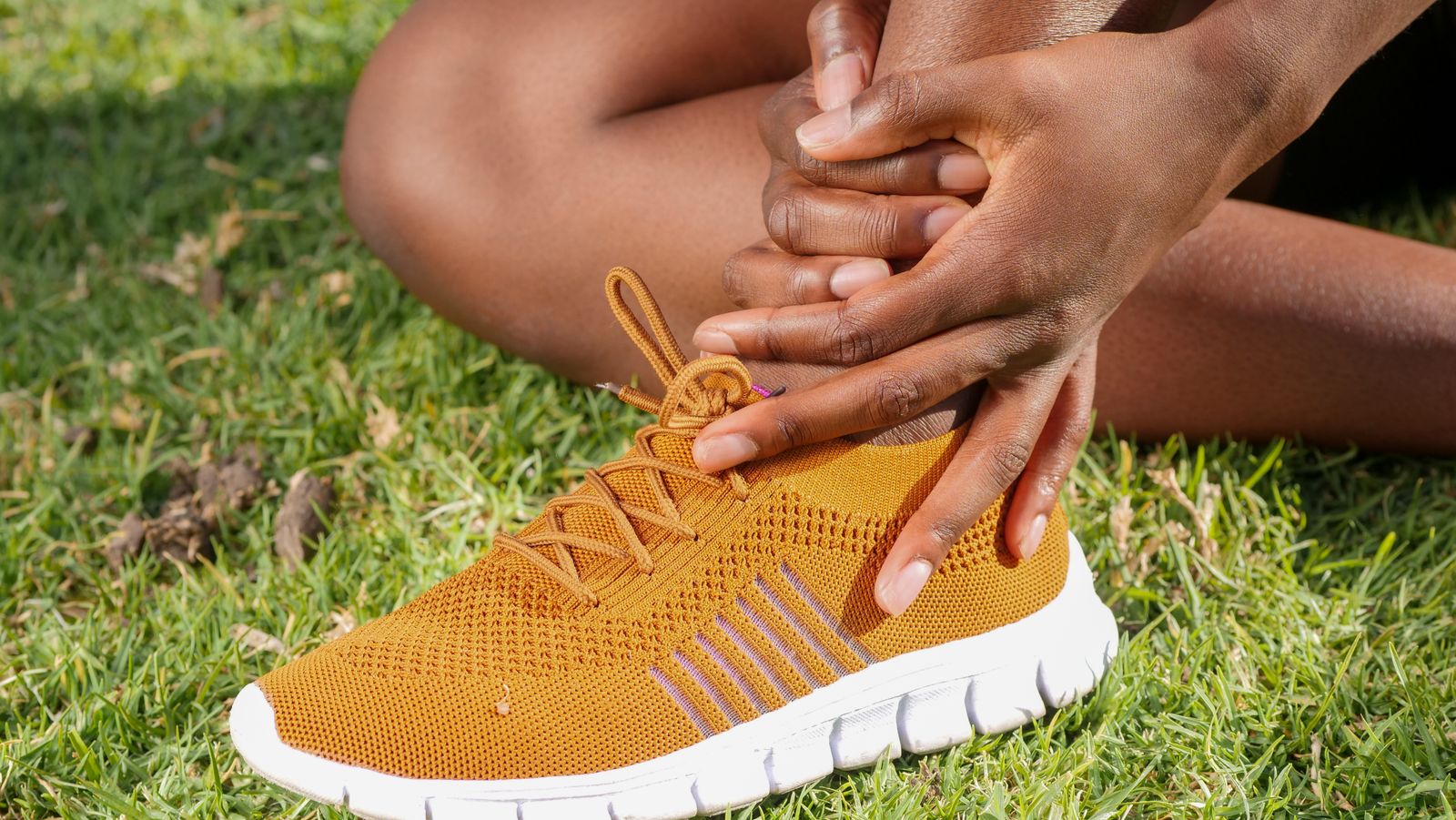
Direct answer: The best walking boot for peroneal tendonitis in Canada is the boot style that matches your clinician’s offloading and motion-control plan. A short walker can suit some lower-profile protection needs, an adjustable or taller walker can add control when prescribed, and an ankle brace is usually a later transition route rather than a boot replacement.
This page is different from a general walking boot selector because peroneal-tendon pain often sits on the outside of the ankle or foot. The decision changes around lateral irritation, avoiding premature return to regular shoes, and separating boot-level immobilization from brace-level transition support.
Quick selector: match the peroneal-tendon scenario to support type
| Scenario | Support type | Best Medibrace route | Why this changes the choice |
|---|---|---|---|
| You were told to use a lower-profile walking boot | Short walking boot | BREG Vectra Premium Short Walking Boot | Boot-level support without automatically choosing a taller walker. |
| Your plan requires controlled motion or staged protection | ROM walking boot | Corflex R.O.M. Walker Walking Boot | Best suited to clinician-directed adjustment rather than casual self-selection. |
| You were prescribed a boot and want an accessible air-walker route | Air walker boot | Corflex Marathon Air Walker | Provides adjustable walker support when boot-level protection is the intended route. |
| You are leaving the boot phase and still need side-to-side control | Semi-rigid ankle stabilizer | Bauerfeind AirLoc | A brace transition option, not a substitute for prescribed immobilization. |
| You are back in shoes and need compression plus strapping | Strapped ankle brace | Bauerfeind MalleoTrain S | Better for later activity support once boot-level offloading is no longer needed. |
Best walking boot and transition options at Medibrace
BREG Vectra Premium Short Walking Boot

- Role: Best premium short walking boot route
- Support type: Short walking boot
- Price: $399.00
- Best for this peroneal-tendon scenario: clinician-directed peroneal tendonitis offloading when a shorter boot is appropriate and calf-height control is not required
- Tradeoff: higher price and still a medical-style immobilization device, so it should match professional instructions
Shop BREG Vectra Premium Short Walking Boot
Corflex R.O.M. Walker Walking Boot

- Role: Best adjustable motion-control boot route
- Support type: ROM walking boot
- Price: $134.99
- Best for this peroneal-tendon scenario: situations where a clinician wants a boot that can be adjusted around allowed ankle motion or staged protection
- Tradeoff: more complex than a fixed boot and not a self-selection shortcut for severe symptoms
Shop Corflex R.O.M. Walker Walking Boot
Corflex Marathon Air Walker - Ankle & Tall Walking Boot

- Role: Best value air-walker boot route
- Support type: Air walker boot
- Price: $122.99
- Best for this peroneal-tendon scenario: shoppers who were told to use a walking boot and want cushioned adjustable boot support for daily protected walking
- Tradeoff: bulkier than an ankle brace and may be excessive once transition to regular footwear is allowed
Shop Corflex Marathon Air Walker - Ankle & Tall Walking Boot
New Bauerfeind AirLoc

- Role: Best brace transition after boot use
- Support type: Semi-rigid ankle stabilizer
- Price: $180.00
- Best for this peroneal-tendon scenario: later-stage transition when a boot is no longer required but side-to-side ankle control still matters
- Tradeoff: not a walking boot and not enough when immobilization/offloading was prescribed
Bauerfeind MalleoTrain S Ankle Brace

- Role: Best active transition support
- Support type: Ankle brace with figure-8 strap
- Price: $170.00
- Best for this peroneal-tendon scenario: return-to-shoe support after boot-level protection, especially when compression plus strapping is preferred
- Tradeoff: not designed to replace a prescribed boot during a painful flare or acute immobilization phase
Shop Bauerfeind MalleoTrain S Ankle Brace
Choosing boot support for peroneal tendonitis
For this scenario, the support type changes by stage. Boot-level support is about limiting load and motion when a clinician wants protection. Brace-level support is about transition, footwear, and lateral ankle confidence after the boot phase. A brace may feel easier to wear, but it does not provide the same immobilization or offloading as a walking boot.
If the pain is mainly a mild activity-support question, compare ankle brace for running or running with peroneal tendonitis ankle brace guidance instead. If you need broad boot comparison, use best medical walking boot Canada.
When this page is not the right route
This page is not the right route for new trauma, suspected fracture, inability to bear weight, major swelling, numbness, colour change, wound concerns, or rapidly worsening pain. It is also not the right route if no clinician has recommended boot-level support. In those situations, assessment should come before buying a walking boot online.
Fit, use, and safety checks
- Follow the boot height, wear schedule, and weight-bearing instructions you were given.
- Check skin pressure around the outside ankle, heel, shin, and top of foot after short wear periods.
- Use the matching liner, straps, and inflation system as intended so the boot does not rock or create rubbing.
- Do not switch from a walking boot to a brace simply because the brace is easier to wear.
- When returning to shoes, choose transition support by lateral ankle control, footwear fit, and activity demands.
Health and safety note: This Medibrace shopping guide does not diagnose peroneal tendonitis or replace care from a licensed clinician. Get professional guidance for persistent or worsening symptoms, return-to-work decisions, return-to-sport timing, or any boot prescription question.
Related Medibrace routes
- Shop foot and ankle supports
- Best medical walking boot Canada
- Best walking boot in Canada
- Best ankle brace for running with peroneal tendonitis Canada
- Best ankle brace for running Canada
FAQs
What walking boot is best for peroneal tendonitis?
The best walking boot for peroneal tendonitis is the boot type your clinician recommends for the severity and stage of symptoms. Short boots may fit lower ankle-focused protection, while taller or adjustable walker boots may be chosen when more control is needed.
Is a short or tall walking boot better for peroneal tendonitis?
A short boot is lower profile and may be used for some ankle or foot protection plans. A taller boot can feel more controlling around the lower leg. The safer choice depends on the clinician’s offloading and motion-control instructions.
When is this page not the right route?
This page is not the right route if you have new trauma, inability to bear weight, major swelling, numbness, colour change, suspected fracture, wound concerns, or if you were not told to use a boot. Get assessed before buying.
Can I use an ankle brace instead of a walking boot?
An ankle brace is usually a transition or activity-support option, not a substitute for boot-level immobilization when a boot has been prescribed. Use brace routes only when boot-level offloading is no longer required or when a clinician says bracing is appropriate.
How is this different from a general walking boot page?
A general walking boot page compares boot types broadly. This page focuses on peroneal-tendon decisions: lateral ankle irritation, boot-versus-brace timing, avoiding premature return to regular footwear, and when clinician direction matters before self-selection.