
Best Weight Lifting Wrist Brace Canada
Best Weight Lifting Wrist Brace Canada: Grip, Strap, Sleeve, and Rest-Support Selector
Direct answer: The best wrist brace for weight lifting is the least bulky support that helps control wrist bend without ruining grip: a wrist band or compression sleeve for lighter gym work, a structured brace for controlled training, and a splint mainly for rest periods rather than active barbell, dumbbell, or kettlebell sets.
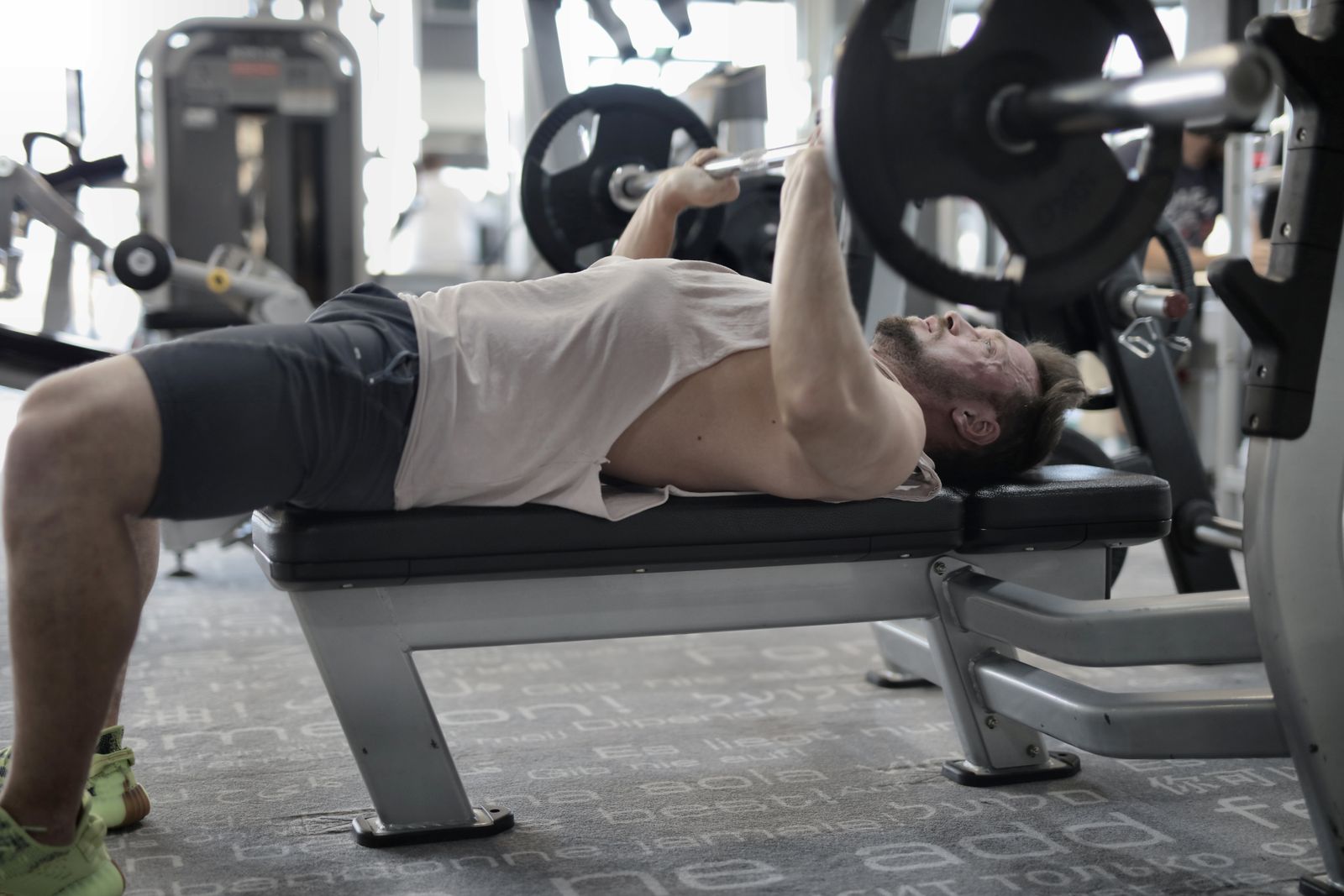
Canadian shopping route • Active Medibrace wrist and thumb coverage • Selector for grip feel, bar pressure, compression, structured support, and rest-period splint detours
Quick selector: match the wrist support to your lift
| If your lifting scenario is... | Choose this support route | Medibrace option | Why it fits this page |
|---|---|---|---|
| Dumbbells, machines, accessory work, or short gym sessions | Low-bulk wrist band | ZAMST Wrist Band | Targets the wrist while preserving more palm contact and grip feel. |
| Warm-up sets or light lifting where compression matters | Compression sleeve | OS1st WS6 Performance Wrist Sleeve | Low-profile support that does not behave like a rigid splint. |
| Controlled lifting where a sleeve feels too light | Structured wrist brace | Bauerfeind ManuTrain Wrist Brace | Adds more guidance, but still requires grip and bar-path testing. |
| Rest breaks, sleep, or non-lifting support after training | Wrist splint | BREG Apollo Universal Wrist Brace | Better for limiting wrist bend when you are not gripping weights. |
| Warm gym days or between-session support windows | Breathable wrist splint | Corflex Ultra Fit Cool Wrist Splint | A cooler splint detour for support-first periods, not active sets. |
What changes when the activity is weight lifting?
Weight-lifting wrist support is different from office, art, or sleeping support. The brace has to work around bar diameter, wrist extension under load, sweat, chalk, strap pressure, palm contact, and whether your lift requires a neutral wrist or freedom to rotate. A brace that feels comfortable at a desk can feel bulky or unsafe when gripping a bar.
This page is most useful when you want a Medibrace wrist support for controlled gym work, light lifting, accessory sessions, or rest support between workouts. It is not the right route for maximal powerlifting wraps, sport-specific lifting straps, sudden trauma, suspected fracture, numbness, tingling, or progressive weakness.
Recommended Medibrace wrist supports for weight lifting
ZAMST Wrist Band

- Role: Best low-bulk lifting band
- Support type: adjustable wrist band / targeted support
- Price: $65.99
- Best weight-lifting context: short strength sessions, dumbbells, machines, and lifts where palm contact and bar feel matter more than full splint control
- Tradeoff: Not enough if you need rest-position support or have significant symptoms.
OS1st WS6 Performance Wrist Sleeve

- Role: Best compression sleeve for gym warm-up
- Support type: compression wrist sleeve
- Price: $48.41
- Best weight-lifting context: warm-up sets, accessory work, and light lifting where compression and low bulk are priorities
- Tradeoff: A sleeve does not lock the wrist; choose more structure when wrist bend control is the main issue.
Bauerfeind ManuTrain Wrist Brace

- Role: Best structured brace for controlled lifting
- Support type: contoured wrist brace with stabilizing strap
- Price: $190.00
- Best weight-lifting context: lifters who want more support during controlled gym work without jumping straight to a full rest splint
- Tradeoff: Bulk and strap placement can affect gripping, wrist wraps, and bar setup.
BREG Apollo Universal Wrist Brace

- Role: Best rest-period splint detour
- Support type: universal wrist splint / cock-up support
- Price: $63.99
- Best weight-lifting context: non-lifting periods, recovery breaks, or sleep when limiting wrist bend matters more than gripping a bar
- Tradeoff: Usually too restrictive for active barbell, kettlebell, or dumbbell work.
Corflex Ultra Fit Cool Wrist Splint Wrist Brace

- Role: Best breathable splint for between-session support
- Support type: cool wrist splint
- Price: $61.99
- Best weight-lifting context: warm gym days, commuting, or post-session support windows when a breathable splint is preferred
- Tradeoff: Still a splint route, not a lifting-wrap substitute.
Band vs sleeve vs brace vs splint for lifting
| Support route | Best lifting context | Main advantage | When to choose a different route |
|---|---|---|---|
| Wrist band | Dumbbells, machines, short sets, accessory work | Low bulk with more grip freedom | Choose more structure if wrist bend control is the priority. |
| Compression sleeve | Warm-ups, lighter sets, general gym support | Compression and warmth without splint-level restriction | Not a substitute for rigid support or lifting wraps. |
| Structured brace | Controlled training when a sleeve feels too light | More wrist guidance than a sleeve or band | Test grip, strap placement, and bar path before hard sets. |
| Wrist splint | Rest, sleep, commuting, or post-session support | Limits wrist bending when grip is not required | Usually wrong for active lifting because it can interfere with safe grip. |
Fit, use, and safety guidance for lifters
- Test any brace with an empty bar or light dumbbell before using it for heavier sets.
- Do not tighten straps until fingers tingle, feel cold, or lose normal grip sensation.
- Check whether the support changes wrist stack, bar path, hook grip, front-rack position, push-up angle, or kettlebell pressure.
- Use lighter support while lifting and consider structured support during rest periods if active grip is affected.
- This Medibrace guide is general product-selection information only. It does not diagnose, prescribe, prevent injury, treat disease, promise results, or replace advice from a licensed clinician.
When this page is not the right route
This page is not the right route for sudden swelling, trauma, suspected fracture, severe pain, numbness, tingling, progressive weakness, or symptoms that worsen with loading. It is also not the best match if you need competition-style lifting wraps, a thumb-spica brace for thumb involvement, or a rest-position splint for sleep rather than training. Compare the wrist splint page, the wrist brace for work page, or clinician-directed care as appropriate.
Related Medibrace routes
FAQ
What is the best wrist brace for weight lifting?
The best wrist brace for weight lifting is usually a low-bulk band, compression sleeve, or structured brace that supports wrist position without ruining grip. Use a splint mainly for rest or between-session support, not for active heavy barbell work.
Can I lift weights with a wrist splint?
Usually a wrist splint is too restrictive for active lifting because it can change grip, bar path, and pressure points. It may fit rest breaks or non-lifting periods better than working sets.
Is a wrist brace the same as a lifting wrist wrap?
No. Lifting wraps are sport-specific wrap supports for barbell pressure. A wrist brace or sleeve is broader and may be better for light gym support, controlled training, or rest-period support, depending on the product.
When is this page not the right route?
Use clinician guidance for sudden swelling, trauma, numbness, tingling, progressive weakness, severe pain, or suspected fracture. Use the wrist brace for work route for keyboard tasks and the wrist splint route when rest positioning is the main goal.