
Best Wrist Brace for Exercise Canada
Best Wrist Brace for Exercise Canada: Flexible Sleeve, Strap, or Stabilizing Brace?
Direct answer: The best wrist brace for exercise in Canada depends on whether you need movement, light compression, or more wrist control. Choose a flexible wrist sleeve for sweaty training, a wrist band for low-bulk support, a flexible wrap-style brace for sport movement, and a splint-style brace only when exercise should pause or be modified.
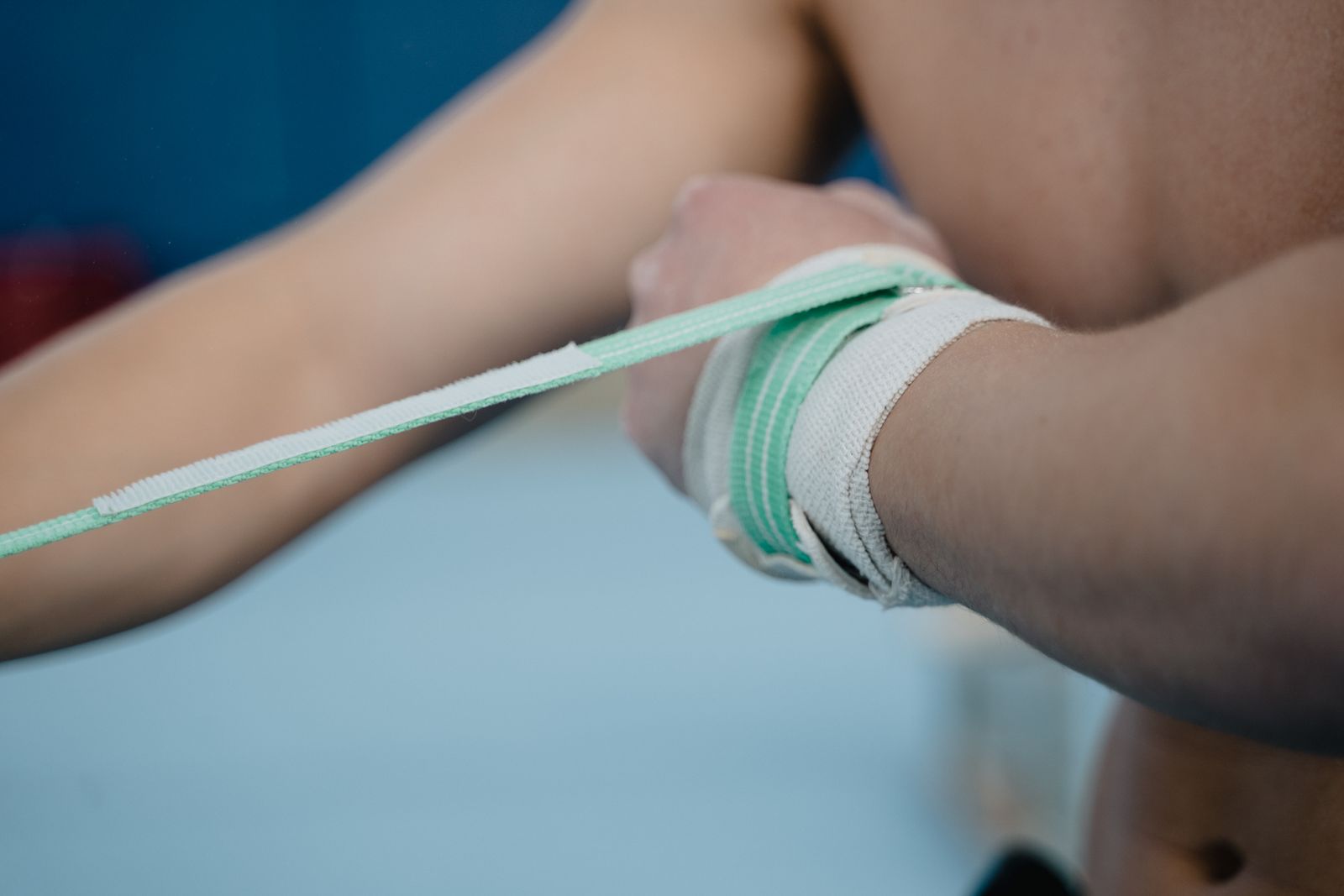
Canadian shopping route • Active Medibrace wrist support options • Selector for gym, yoga, sport, lifting, and post-sprain exercise decisions
Quick selector: match the exercise scenario
| If your exercise scenario is... | Choose this support type | Medibrace option | Why it fits |
|---|---|---|---|
| Sweaty workouts, light wrist support, and full hand movement | Performance wrist sleeve | OS1st WS6 Performance Wrist Sleeve | Best first route when the priority is compression feel, breathability, and movement instead of rigid restriction. |
| Low-bulk gym or sport support without covering much of the hand | Adjustable wrist band | ZAMST Wrist Band | Fits exercise where grip and palm contact matter, such as racquet, gym, or daily training contexts. |
| Sport movement with more wrap-style support | Flexible athletic wrist brace | ZAMST Filmista Wrist | Better when the buyer wants a sport brace feel but still needs wrist motion for activity. |
| Recent sprain, sharp pain, or need to limit motion | Splint-style wrist brace | Corflex Ultra Fit Cool Wrist Splint | Use this as a pause-and-protect route rather than a brace to push through training. |
What changes when the wrist brace is for exercise?
An exercise wrist brace is not the same decision as a night splint, carpal tunnel brace, or post-injury immobilizer. During workouts, the support must manage sweat, grip, palm contact, wrist extension, push-up or plank pressure, and whether the movement is safe to continue. The best choice is often the least restrictive support that still keeps the wrist comfortable and controlled.
This page is not the right route if you have a new fracture concern, severe swelling, numbness, sharp pain, a prescribed immobilizer, or symptoms that worsen when loading the wrist. For carpal tunnel-style night support, compare carpal tunnel wrist brace guidance. For a general selector, use Best Wrist Brace Canada. For thumb-side pain, use Wrist & Thumb Braces and choose a thumb-spica route.
Recommended Medibrace wrist braces for exercise
OS1st WS6 Performance Wrist Sleeve

- Role: Best flexible exercise route
- Support type: performance wrist sleeve
- Price: $48.41
- Best for this exercise scenario: sweaty gym sessions, light support, and training where full hand movement matters
- Tradeoff: least rigid option here, so it is not the right brace for immobilization or a fresh injury
ZAMST Wrist Band

- Role: Best low-bulk wrist support
- Support type: adjustable wrist band
- Price: $65.99
- Best for this exercise scenario: exercise where grip, palm contact, and quick strap adjustment matter more than full brace coverage
- Tradeoff: does not control the wrist like a splint and should not be used to push through worsening pain
ZAMST Filmista Wrist

- Role: Best athletic wrap-style support
- Support type: flexible athletic wrist brace
- Price: $74.99
- Best for this exercise scenario: sport movement, court activity, or active training where you want more support than a sleeve without locking the wrist
- Tradeoff: more noticeable than a sleeve and still not a substitute for injury assessment
Corflex Ultra Fit Cool Wrist Splint Wrist Brace

- Role: Best pause-and-protect route
- Support type: cool wrist splint
- Price: $61.99
- Best for this exercise scenario: situations where exercise should be reduced, modified, or paused because motion control matters
- Tradeoff: too restrictive for many active workouts and not meant to make painful exercise safe
Exercise wrist sleeve vs wrist band vs splint
| Route | Best context | Main advantage | When to choose another route |
|---|---|---|---|
| Wrist sleeve | Light support, sweat comfort, and flexible training | Moves with the wrist and stays lower profile | Choose a splint if motion should be limited. |
| Wrist band | Low-bulk support where palm contact and grip matter | Less coverage around the hand | Choose a brace if you need more wrap support. |
| Athletic wrist brace | Sport movement needing more support than a sleeve | Balances support with activity movement | Choose a thumb spica if thumb-side pain is the main issue. |
| Wrist splint | Motion control, rest, or modified activity after a sprain | More protection and less wrist movement | Not the best route for unrestricted exercise or sweaty sport use. |
Fit, use, and safety guidance for exercise
- Pick the least restrictive support that matches the activity and does not create numbness, tingling, colour change, or skin irritation.
- For push-ups, planks, yoga, or floor work, check palm contact and wrist extension before loading your full body weight.
- For lifting, racquet sports, or cycling-style grips, check whether straps interfere with your grip or safety control.
- Do not use a wrist brace to push through sharp pain, new swelling, suspected fracture, numbness, or worsening symptoms.
- If a clinician prescribed a brace or rest period, follow that guidance before returning to exercise.
Health and safety note: This Medibrace guide is general product-selection information only. It does not diagnose, prescribe, guarantee workout safety, provide medical care, or replace advice from a licensed clinician.
When this page is not the right route
This page is not the right route for a fresh injury, suspected fracture, severe swelling, numbness, worsening pain, post-surgical instructions, or a prescribed immobilizer. It is also not the best route when the main issue is night-time carpal tunnel support, thumb-specific pain, or choosing a rigid wrist splint for rest rather than exercise.
Related Medibrace routes
FAQ
What is the best wrist brace for exercise?
For most exercise shoppers, the best wrist brace is a flexible sleeve, wrist band, or athletic wrap-style brace that supports the wrist without blocking grip or safe movement. A splint-style brace is better when exercise should be paused or modified.
Can I work out with a wrist splint?
Only if the activity is safe, low load, and consistent with your clinician's or product instructions. A splint can limit motion, but it can also interfere with grip, balance, and safe technique during exercise.
Should I choose a wrist sleeve or wrist brace for workouts?
Choose a wrist sleeve for light support and sweat comfort. Choose a brace or wrist band when you need more strap control. Choose a splint only when limiting wrist motion matters more than active movement.
When should I stop exercising and get advice?
Stop and get professional guidance if you have sharp pain, new swelling, numbness, tingling, colour change, suspected fracture, worsening symptoms, or if the brace makes the movement feel less safe.