
Compression Leggings vs Closed Toe Compression Stockings
Compression Leggings vs Closed Toe Compression Stockings: Which Support Do You Need?
This page is for informational purposes only and does not constitute medical advice. Always consult a qualified healthcare provider before selecting or using a brace or support for your situation.
Direct answer: Compression leggings are useful when you want garment-style coverage through the hips and thighs for active days or layering. Closed toe compression stockings are usually the better route when foot, ankle, and calf coverage matter, especially for travel, long shifts, swelling-prone days, or 20-30 mmHg medical compression needs.
Canadian brace and compression retailer • Product-led guidance • Fit and sizing matter • Informational only, consult a professional
Leggings vs Closed Toe Stockings
How to Choose Between Leggings and Closed Toe Stockings
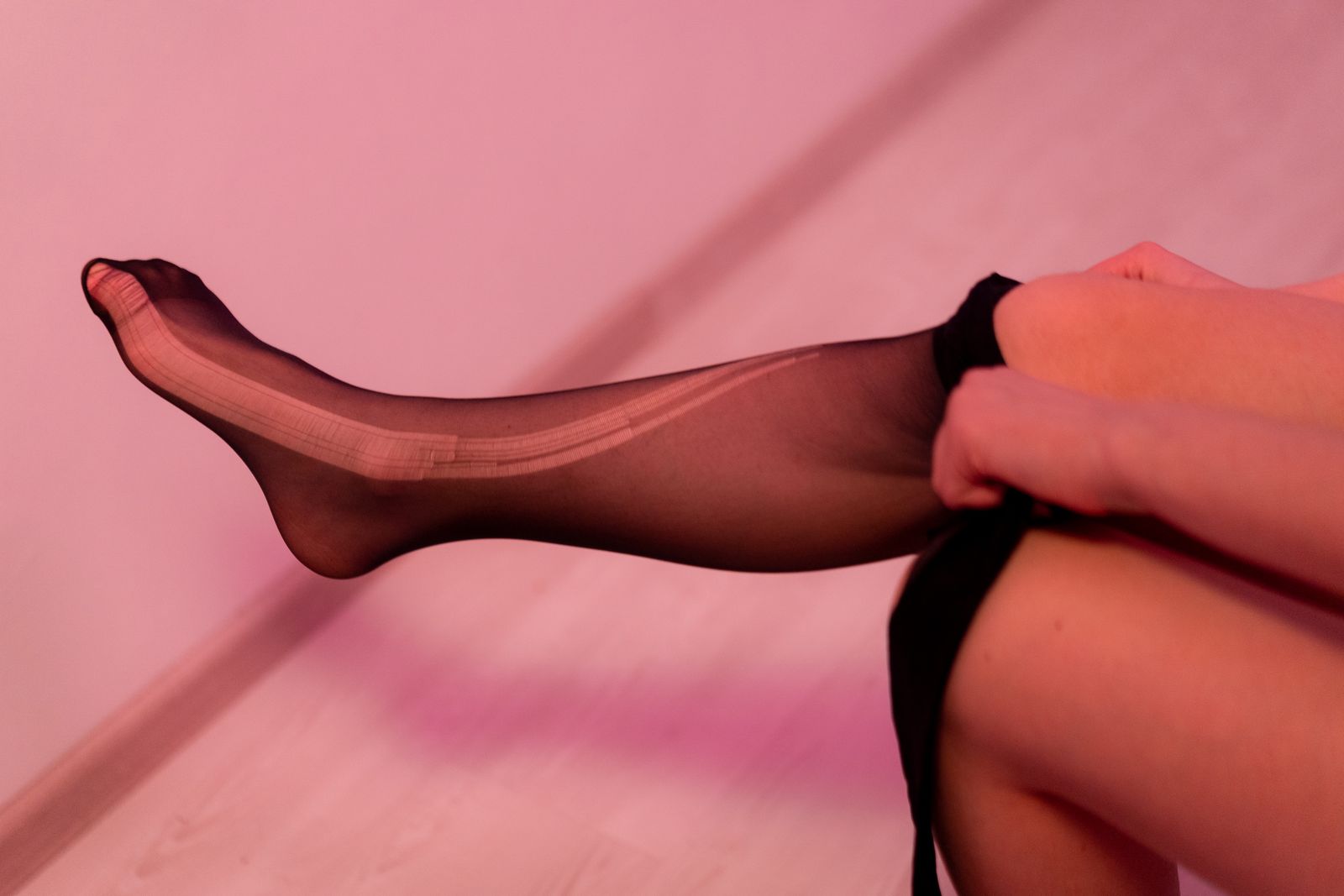
The key difference is where the pressure and coverage are meant to sit. Leggings feel closer to activewear and can cover the upper leg, while closed toe stockings bring compression through the foot and ankle, then up the calf or thigh depending on the style. Match the choice to footwear, daily wear time, temperature, and the area where you want comfort and stability.
Quick selector for common compression leggings versus closed toe stocking decisions.
| If your main scenario is... | Choose this route | Medibrace option | Why it fits |
|---|---|---|---|
| Long flight or extended sitting | Closed toe sock with foot and calf coverage | Bauerfeind Performance Compression Socks 20-30 mmHg | Closed toe coverage works inside travel shoes and keeps the foot, ankle, and calf in the same compression route. |
| Cold commute or outdoor walking | Merino closed toe compression sock | Bauerfeind Compression Sock Merino 20-30 mmHg | Merino warmth suits cooler days while the 20-30 mmHg profile supports steady lower-leg comfort. |
| Running or gym training | Sport-specific closed toe compression sock | Bauerfeind Compression Sock Training | The training sock is built for movement, shoe fit, and calf support without adding a full legging layer. |
| Calf-focused sport support with your own socks | Compression calf sleeves | Bauerfeind Sports Compression Calf Sleeves (Pair) | Sleeves target the calf while leaving sock choice open, which is useful for cleats, running socks, or warm weather. |
| Knee-area comfort during walks | Knee compression sleeve | Bauerfeind Merino Compression Knee Sleeve 20-30 mmHg | A knee sleeve focuses support around the knee instead of adding foot coverage or full-leg apparel compression. |
Recommended Medibrace options
Bauerfeind Performance Compression Socks 20-30 mmHg

- Role: Best closed toe option for travel and long daily wear
- Support type: Closed toe 20-30 mmHg compression sock
- Price: $135.99
- Best for: People comparing leggings with closed toe stockings because they need foot, ankle, and calf coverage that fits cleanly inside everyday shoes.
- Tradeoff: It does not cover the thigh or hip like leggings, so choose a higher stocking style when upper-leg coverage is the priority.
Bauerfeind Compression Sock Merino 20-30 mmHg (Pair)

- Role: Best for cold weather and daily commuting
- Support type: Closed toe merino 20-30 mmHg compression sock
- Price: $130.99
- Best for: Cooler workdays, winter walks, or travel days when warmth and lower-leg medical compression are both part of the decision.
- Tradeoff: Merino may feel too warm for summer training or hot indoor shifts.
Bauerfeind Compression Sock Training

- Role: Best sport sock alternative to compression leggings
- Support type: Closed toe athletic compression sock
- Price: $135.99
- Best for: Training sessions where shoe feel, breathability, and calf support matter more than the full-leg coverage of compression leggings.
- Tradeoff: It is sport-focused, so a simpler daily sock may be easier for office wear.
Bauerfeind Sports Compression Calf Sleeves (Pair)

- Role: Best when you want calf support without changing socks
- Support type: Calf compression sleeves
- Price: $100.99
- Best for: Runners, walkers, or field-sport users who want calf compression while keeping their own footwear socks and toe fit unchanged.
- Tradeoff: Sleeves do not include foot or ankle compression, so closed toe stockings are better when those areas matter.
Bauerfeind Merino Compression Knee Sleeve 20-30 mmHg

- Role: Best for knee-focused comfort during active days
- Support type: Merino knee compression sleeve, 20-30 mmHg
- Price: $120.99
- Best for: Walks, errands, and outdoor activity where the comparison is really about knee-area stability rather than full foot-to-calf coverage.
- Tradeoff: It is not a stocking or legging, so it will not provide continuous lower-leg coverage.
Compression leggings and closed toe stockings differ most by coverage zone, footwear fit, and daily use.
| Choice | Best context | Main advantage | When to choose differently |
|---|---|---|---|
| Compression leggings | Activewear-style coverage through the hips and thighs | Feels familiar for workouts, layering, and full-leg coverage | Choose closed toe stockings when foot, ankle, or calf compression is the priority |
| Closed toe knee-high stockings | Shoes, travel, long sitting, and calf-focused daily wear | Covers toes, foot, ankle, and calf in one sock-like piece | Choose thigh-high styles when upper-leg coverage is needed |
| Closed toe thigh-high stockings | More leg coverage without a waistband garment | Adds upper-leg coverage while keeping the closed toe format | Choose leggings when you prefer activewear styling and waist coverage |
| Calf sleeves | Sport use with separate socks | Lets you keep preferred socks while adding calf compression | Choose closed toe stockings when foot and ankle coverage should be included |
Fit, use, and safety guidance
- Measure at the time of day recommended by the product sizing chart, since lower-leg size can change during the day.
- Closed toe stockings should feel smooth inside footwear, with no bunching at the toes or behind the knee.
- For 20-30 mmHg options, follow sizing closely and ask a professional if pressure level is uncertain.
- Choose leggings when waistband comfort and thigh coverage matter more than in-shoe foot compression.
- Stop wearing a product and seek guidance if you notice numbness, color change, unusual pain, or skin irritation.
Health and safety note: This Medibrace guide is general product-selection information only. It does not diagnose, treat, cure, prevent, prescribe, or replace advice from a licensed clinician.
When to check with a clinician first
Check with a clinician before choosing compression if you have circulation concerns, diabetes-related foot concerns, skin changes, new or one-sided swelling, severe pain, or uncertainty about whether 20-30 mmHg medical compression is appropriate for you.
Related Medibrace routes
FAQ
Are compression leggings the same as closed toe compression stockings?
No. Compression leggings usually feel like activewear and cover more of the upper leg, while closed toe compression stockings include the toes, foot, ankle, and calf or thigh depending on height.
Which is better for travel, compression leggings or closed toe stockings?
Closed toe compression stockings are commonly used for travel because they fit inside shoes and include foot, ankle, and calf coverage during long periods of sitting.
Can I wear calf sleeves instead of closed toe compression stockings?
Calf sleeves may work when calf support is the main goal and you want to keep your own socks. Choose closed toe stockings when foot and ankle coverage should be included.
What pressure should I choose for compression stockings?
Many options use 20-30 mmHg medical compression, but pressure choice depends on sizing, comfort, and personal circumstances. Ask a clinician if you are unsure.