
Compression Sleeves for Hiking Canada
Compression Sleeves for Hiking in Canada
This page is for informational purposes only and does not constitute medical advice. Always consult a qualified healthcare provider before selecting or using a brace or support for your situation.
Direct answer: Compression sleeves for hiking are commonly used for calf, ankle, or knee support during long trail days, steep descents, and pack-loaded walks. Choose calf sleeves for lower-leg endurance, ankle sleeves for boot-area stability, knee sleeves for downhill comfort, or merino compression socks when warmth and foot coverage matter.
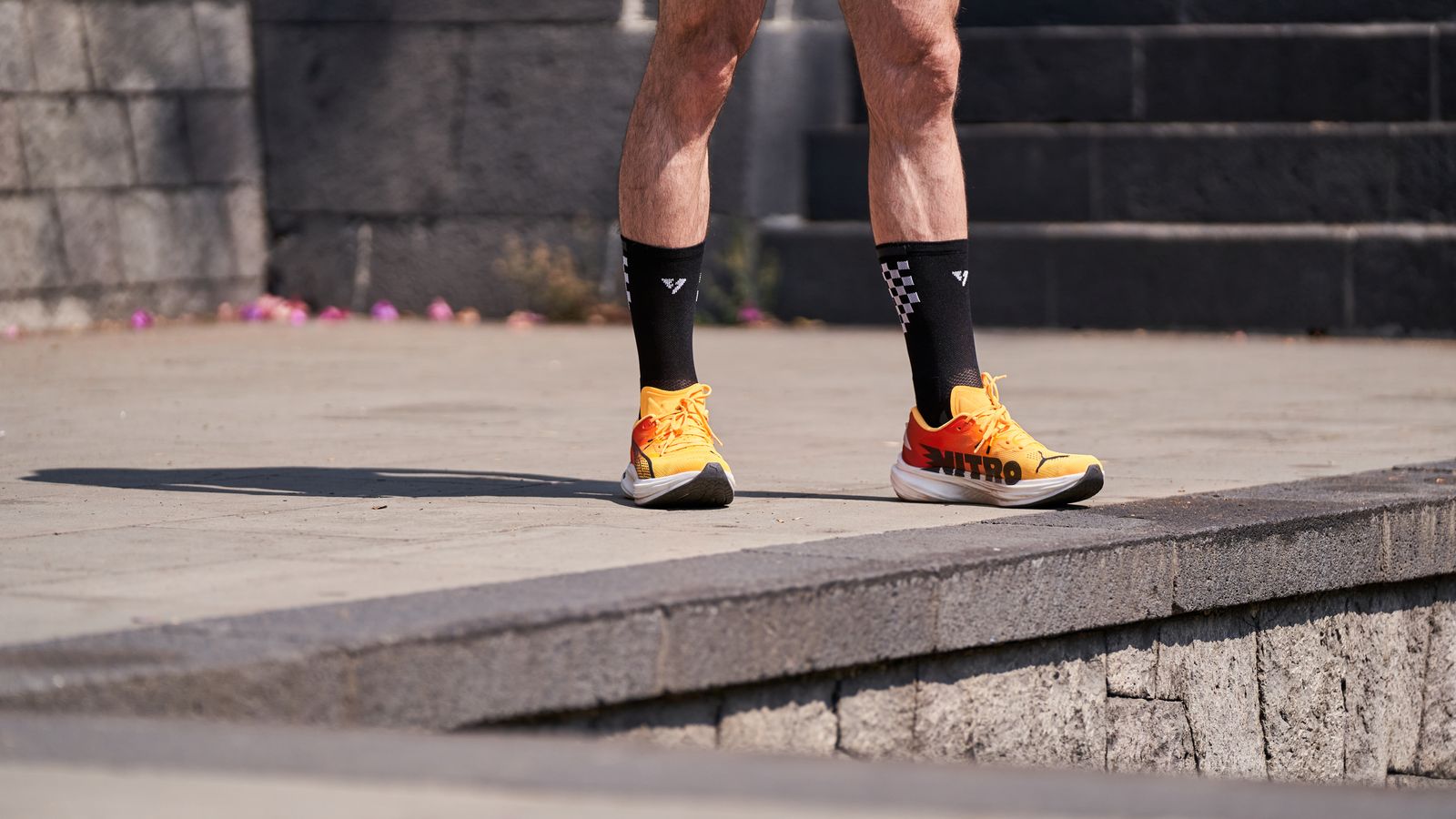
Canadian owned • Fast shipping • Curated compression options • Fit guidance available
Compression Sleeves for Hiking
Choose support by trail demand
Hiking asks different things from your legs than road running or gym training. Uneven ground, heavy packs, long descents, and temperature swings can make targeted compression more useful than a single all-purpose option. The best pick depends on whether your main concern is calf fatigue, ankle steadiness, knee comfort, or all-day warmth inside boots.
Quick selector for hiking compression needs
| If your main scenario is... | Choose this route | Medibrace option | Why it fits |
|---|---|---|---|
| Long rolling hikes with steady climbs | Calf sleeves | Bauerfeind Sports Compression Calf Sleeves | Targets the lower leg without adding bulk inside the boot or changing sock choice. |
| Cool-weather hiking and multi-hour trail days | Merino compression socks | Bauerfeind Compression Sock Merino 20-30 mmHg | Combines foot-to-calf coverage with a merino blend suited to variable outdoor temperatures. |
| Rocky paths where the ankle works hard | Ankle sleeve | Bauerfeind Sports Compression Ankle Sleeve | Adds a close-fitting layer around the ankle while leaving room to choose trail socks separately. |
| Downhill-heavy routes or knee-aware hiking | Knee compression sleeve | Bauerfeind Merino Compression Knee Sleeve 20-30 mmHg | Focuses compression around the knee for descents, steps, and longer pack-carry days. |
| Fast-paced hikes and warm training walks | Performance socks | Bauerfeind Performance Compression Socks 20-30 mmHg | A foot-to-calf option for hikers who want a sportier sock feel on brisk routes. |
Recommended Medibrace options
Bauerfeind Compression Sock Merino 20-30 mmHg (Pair)

- Role: Cool-weather full lower-leg coverage
- Support type: 20-30 mmHg merino compression sock
- Price: $130.99
- Best for: Hikers who want foot, ankle, and calf coverage in one piece for cooler trail days, hut walks, and long routes in changing weather.
- Tradeoff: Warmer than a sleeve-only setup on hot summer hikes.
Bauerfeind Sports Compression Calf Sleeves (Pair)

- Role: Calf-focused trail support
- Support type: Sports compression calf sleeves
- Price: $100.99
- Best for: Day hikers who want targeted lower-leg support while keeping their own hiking socks and boot fit unchanged.
- Tradeoff: Does not cover the foot or ankle, so sock choice still matters.
Bauerfeind Sports Compression Ankle Sleeve

- Role: Low-profile ankle support
- Support type: Compression ankle sleeve
- Price: $80.99
- Best for: Uneven trails, rocky paths, and boot setups where a close ankle layer helps with comfort and stability without calf coverage.
- Tradeoff: Less helpful when the main need is calf support over distance.
Bauerfeind Merino Compression Knee Sleeve 20-30 mmHg

- Role: Knee-focused hiking option
- Support type: 20-30 mmHg merino knee sleeve
- Price: $120.99
- Best for: Hikers who notice their knees most on descents, stairs, roots, and pack-loaded routes where targeted knee coverage feels useful.
- Tradeoff: More focused than a sock, so it will not add foot or calf coverage.
Bauerfeind Performance Compression Socks 20-30 mmHg

- Role: Sporty full lower-leg sock
- Support type: 20-30 mmHg performance compression sock
- Price: $135.99
- Best for: Faster hiking, training walks, and warm-weather routes where a technical sock feel is preferred over merino warmth.
- Tradeoff: Less insulating than the merino sock for cold trail starts.
How to compare hiking compression choices
| Choice | Best context | Main advantage | When to choose differently |
|---|---|---|---|
| Calf sleeve | Warm hikes or familiar boot fit | Keeps compression focused below the knee without changing socks | Choose a sock if you also want foot coverage |
| Merino compression sock | Cooler Canadian trails and long days | Combines warmth, foot coverage, and calf compression | Choose performance socks for hotter or faster outings |
| Ankle sleeve | Uneven ground and boot-area stability | Adds local ankle support with flexible sock pairing | Choose calf or knee coverage if the effort is higher up the leg |
| Knee sleeve | Descents, steps, and knee-aware routes | Focuses support where downhill hiking often feels demanding | Choose lower-leg options if the concern is calf endurance or foot coverage |
Fit, use, and safety guidance
- Measure at the time of day you usually hike, especially if leg size changes through the day.
- Check that the top band lies flat and does not dig in behind the knee or calf.
- Test the sleeve or sock with the exact hiking boots you plan to wear.
- Start with shorter walks before committing to an all-day route in new compression gear.
- Remove the product and seek advice if you notice numbness, unusual colour change, or increasing discomfort.
Health and safety note: This Medibrace guide is general product-selection information only. It does not diagnose, treat, cure, prevent, prescribe, or replace advice from a licensed clinician.
When to check with a clinician first
Speak with a qualified clinician before using compression if you have circulation concerns, diabetes-related foot or leg issues, unexplained swelling, skin changes, recent surgery, or a new injury. Professional guidance can help confirm whether compression pressure and coverage are appropriate for your situation.
Related Medibrace routes
FAQ
Are compression sleeves useful for hiking?
They may help with comfort and stability during long hikes, especially when matched to the area doing the most work, such as calves, ankles, or knees.
Should hikers choose socks or sleeves?
Choose socks when you want foot-to-calf coverage inside boots. Choose sleeves when you want targeted calf, ankle, or knee support while keeping your own hiking socks.
Is 20-30 mmHg suitable for hiking?
Some hiking products use 20-30 mmHg compression, but suitability depends on fit, comfort, and personal health factors. Ask a clinician if you are unsure.
Can I wear compression sleeves on multi-day hikes?
Many hikers use compression on longer routes, but fit checks matter. Rotate clean socks or sleeves and watch for pressure marks or skin irritation.