
Compression Socks for Lymphedema Support Canada
Knee-high compression socks for lymphedema support in Canada
This page is for informational purposes only and does not constitute medical advice. Always consult a qualified healthcare provider before selecting or using a brace or support for your situation.
Direct answer: Knee-high compression socks for lymphedema support are commonly used to help manage lower-leg heaviness, mild swelling comfort, and fluid-related pressure during daily activity. Choose a sock that covers the calf evenly, matches your advised compression level, and feels wearable for the hours you need it.
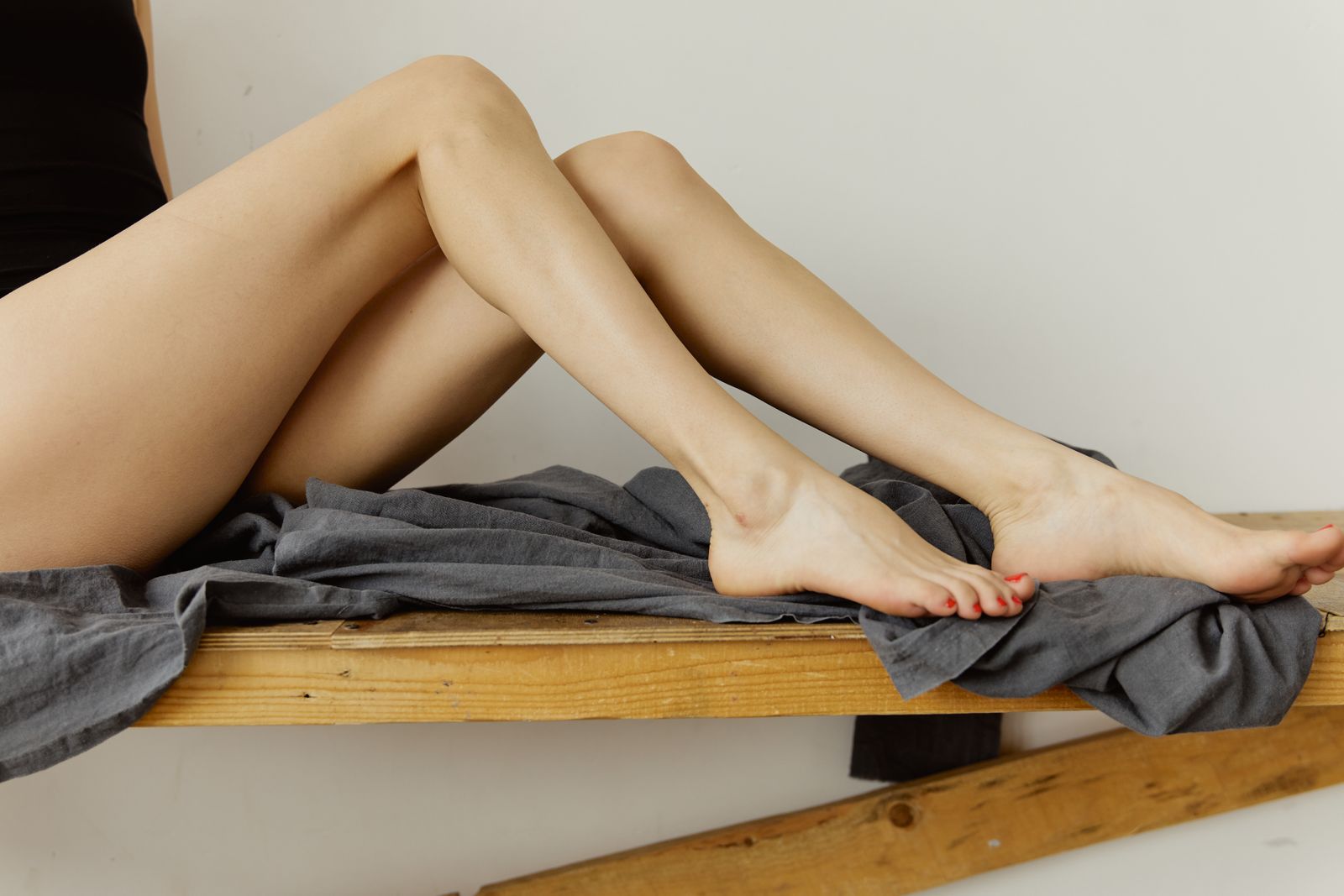
Canadian online store • Live product options • Fit and use guidance • Health-Canada-safe support language
Choosing knee-high compression for lymphedema support
For lymphedema-related lower-leg support, the best choice is usually the option you can wear consistently while keeping pressure smooth from ankle to calf. Fabric feel, warmth, activity level, and how easy the sock is to put on can matter as much as compression strength.
Match the sock style to how and when your leg needs support.
| If your main scenario is... | Choose this route | Medibrace option | Why it fits |
|---|---|---|---|
| Daily lower-leg swelling comfort | Knee-high 20-30 mmHg sock | Bauerfeind Performance Compression Socks 20-30 mmHg | Balanced calf coverage for routine daytime support without adding knee bracing. |
| Cold Canadian commutes or winter walking | Warm merino knee-high compression | Bauerfeind Compression Sock Merino 20-30 mmHg (Pair) | Merino construction suits people who need calf support but dislike thin, cool-feeling socks. |
| Training with lower-leg heaviness | Sport-focused knee-high compression | Bauerfeind Compression Sock Training | Designed around active use when calf support and moisture management both matter. |
| Calf-focused support with preferred socks | Calf sleeve compression | Bauerfeind Sports Compression Calf Sleeves (Pair) | Leaves the foot uncovered while adding calf support for activity or footwear flexibility. |
| Knee and calf comfort together | Compression knee sleeve | Bauerfeind Merino Compression Knee Sleeve 20-30 mmHg | Adds local knee coverage when comfort concerns extend above the top of a sock. |
Recommended Medibrace options
Bauerfeind Performance Compression Socks 20-30 mmHg

- Role: Everyday knee-high compression option
- Support type: 20-30 mmHg knee-high sock
- Price: $135.99
- Best for: Lower-leg lymphedema support routines where calf coverage, daily wear, and a secure sock fit are the main priorities.
- Tradeoff: A performance feel may be less warm than merino for winter or low-activity days.
Bauerfeind Compression Sock Merino 20-30 mmHg (Pair)

- Role: Warm daily support sock
- Support type: Merino 20-30 mmHg knee-high sock
- Price: $130.99
- Best for: People who want knee-high compression for lower-leg swelling comfort but prefer a warmer, softer sock for colder weather.
- Tradeoff: Warmer fabric may feel less ideal during high-sweat training sessions.
Bauerfeind Compression Sock Training

- Role: Active-use compression sock
- Support type: Training-focused knee-high compression
- Price: $135.99
- Best for: Walking, gym, or sport days when lower-leg support needs to stay comfortable through repeated movement and moisture buildup.
- Tradeoff: Activity styling may be more than needed for quiet office or home wear.
Bauerfeind Sports Compression Calf Sleeves (Pair)

- Role: Calf-only support alternative
- Support type: Compression calf sleeves
- Price: $100.99
- Best for: Calf heaviness support when you need your own socks, open foot comfort, or footwear space around the toes and heel.
- Tradeoff: Does not provide foot or ankle coverage like a true knee-high sock.
Use these tradeoffs to narrow the most practical support route.
| Choice | Best context | Main advantage | When to choose differently |
|---|---|---|---|
| Knee-high compression sock | Lower-leg support from foot to calf | Even coverage in one wearable piece | Choose a sleeve if foot coverage feels restrictive. |
| Merino compression sock | Cold weather or sensitive comfort preferences | Warmer feel for long wear windows | Choose training fabric for sweaty activity. |
| Training compression sock | Exercise, walking, and active workdays | Built around movement and moisture control | Choose merino for warmth during low-output days. |
| Calf sleeve | Calf support with personal socks | Keeps the foot free for fit flexibility | Choose knee-high socks when foot and ankle coverage are needed. |
Fit, use, and safety guidance
- Use your ankle and calf measurements, not shoe size alone, when selecting compression socks.
- Put socks on when lower-leg swelling is usually at its lowest, often earlier in the day.
- Fabric should feel firm and smooth without rolling, bunching, or leaving sharp pressure lines.
- If a clinician has advised a specific compression level, follow that guidance before choosing style details.
- Remove the sock and reassess fit if you notice numbness, colour change, unusual pain, or skin irritation.
Health and safety note: This Medibrace guide is general product-selection information only. It does not diagnose, treat, cure, prevent, prescribe, or replace advice from a licensed clinician.
When to check with a clinician first
Check with a clinician before using compression if you have diabetes-related circulation concerns, arterial disease, unexplained swelling, new one-sided calf pain, skin wounds, infection signs, or a recent change in lymphedema symptoms. Professional fitting advice can also help if socks are hard to put on or leave uneven marks.
Related Medibrace routes
FAQ
Are knee-high compression socks commonly used for lymphedema support?
Yes, they are commonly used to help support lower-leg comfort and swelling management routines when the compression level and fit match professional guidance.
Is 20-30 mmHg always the right choice for lymphedema support?
Not always. Compression needs vary by person, symptoms, and clinical advice, so follow any level recommended by your clinician or fitter.
Should the sock cover the whole calf?
For knee-high support, the sock should sit smoothly below the knee and cover the calf without rolling or creating tight bands.
Can calf sleeves replace knee-high compression socks?
Calf sleeves may help with calf comfort when foot coverage is not needed, but knee-high socks are the better match when ankle and foot coverage are part of the plan.