
For Stability Knee Compression Sleeve Canada
Knee Compression Sleeves for Stability in Canada
This page is for informational purposes only and does not constitute medical advice. Always consult a qualified healthcare provider before selecting or using a brace or support for your situation.
Direct answer: For stability, a knee compression sleeve in Canada should match the activity, fit snugly without bunching, and provide either light medical compression or added brace structure. Choose a sleeve for everyday steadiness and sport, or a knee brace when you want more guided support around the joint.
Canadian sizing support • Secure checkout • Activity-focused product guidance • Ships from Medibrace
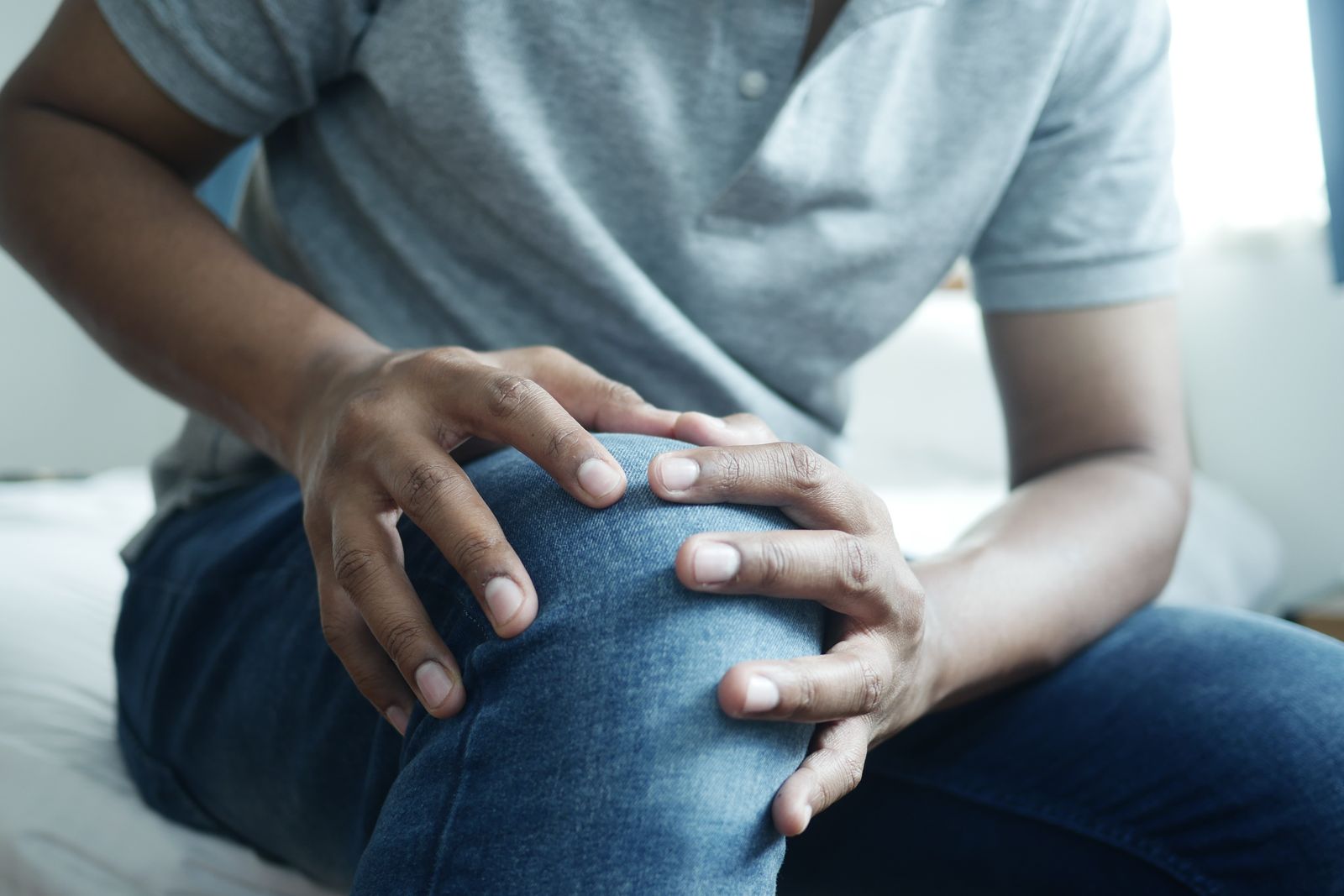
Choosing knee compression for a steadier feel
Knee compression can be useful when the goal is a more secure, supported feel during repeated movement. The best choice depends on whether you need a low-profile sleeve for daily wear, a breathable option for training, or a brace-style design with more structure around the knee.
Match the support route to how and where you plan to use it.
| If your main scenario is... | Choose this route | Medibrace option | Why it fits |
|---|---|---|---|
| Daily walking and errands | Low-profile knee compression | Bauerfeind Merino Compression Knee Sleeve 20-30 mmHg | A warm, streamlined sleeve for steady comfort under regular clothing. |
| Outdoor work or cooler weather | Merino knee compression | Bauerfeind Merino Compression Knee Sleeve 20-30 mmHg | Merino fabric adds warmth while keeping the knee supported through longer wear. |
| Training days with lower-leg fatigue | Performance sock plus knee-focused sleeve | Bauerfeind Compression Sock Training | Best when calf and foot compression are part of the overall support plan. |
| Higher-demand knee stability | Brace-style knee support | Bauerfeind Merino Knee Brace | Adds more structure than a simple sleeve for a firmer guided feel. |
| Travel or long standing days | 20-30 mmHg lower-leg compression | Bauerfeind Performance Compression Socks 20-30 mmHg | Pairs well when lower-leg circulation support is the priority over knee coverage. |
Recommended Medibrace options
Bauerfeind Merino Compression Knee Sleeve 20-30 mmHg

- Role: Primary knee sleeve for steady everyday movement
- Support type: 20-30 mmHg knee compression sleeve
- Price: $120.99
- Best for: People who want knee-area compression with a warm, low-profile sleeve for walking, errands, light training, and cooler Canadian weather.
- Tradeoff: Less structural guidance than a brace-style knee support.
Bauerfeind Merino Knee Brace

- Role: More structured knee support option
- Support type: Brace-style knee support with merino comfort
- Price: $210.99
- Best for: Users who want a firmer, more guided knee feel than a simple sleeve during longer days, uneven ground, or higher-demand activity.
- Tradeoff: Bulkier than a compression sleeve and more noticeable under slim clothing.
Bauerfeind Compression Sock Training

- Role: Training-focused lower-leg compression companion
- Support type: Sport compression sock
- Price: $135.99
- Best for: Athletes who want calf and foot compression during workouts while using a separate knee sleeve or brace for knee-area support.
- Tradeoff: Does not cover the knee, so choose it as part of a broader setup.
Bauerfeind Performance Compression Socks 20-30 mmHg

- Role: Medical compression for lower-leg support
- Support type: 20-30 mmHg compression sock
- Price: $135.99
- Best for: Long standing, travel, and workdays where lower-leg compression matters more than direct knee coverage or brace structure.
- Tradeoff: Best for calf and foot coverage, not direct knee stability.
Use this comparison when deciding between a sleeve, brace, or sock-based route.
| Choice | Best context | Main advantage | When to choose differently |
|---|---|---|---|
| Knee compression sleeve | Everyday steadiness and low-profile wear | Simple fit with direct knee coverage | Choose a brace when you want more structure. |
| Brace-style knee support | Higher-demand movement or a firmer guided feel | More supportive feel around the joint | Choose a sleeve when bulk is a concern. |
| Training compression sock | Workouts where calf and foot compression matter | Good for sport routines and lower-leg support | Add a knee product if the knee is the main concern. |
| 20-30 mmHg compression sock | Long standing, work, or travel days | Consistent medical compression through the lower leg | Choose knee coverage when support needs to centre on the knee. |
Fit, use, and safety guidance
- Measure the knee or leg according to the product size guide before ordering.
- The sleeve should feel snug and even, without pinching behind the knee.
- Check that the top and bottom edges stay flat during walking or bending.
- For sports, test the fit during warm-up movements before longer sessions.
- Remove the product and reassess fit if numbness, tingling, or colour change appears.
Health and safety note: This Medibrace guide is general product-selection information only. It does not diagnose, treat, cure, prevent, prescribe, or replace advice from a licensed clinician.
When to check with a clinician first
Speak with a qualified clinician before using compression if you have significant swelling, circulation concerns, diabetes-related sensation changes, a recent injury, unexplained pain, or if you are unsure whether 20-30 mmHg medical compression is appropriate for you.
Related Medibrace routes
FAQ
Is a knee compression sleeve enough for stability?
A sleeve may help the knee feel more supported during walking, training, and daily tasks. If you want a firmer guided feel, a brace-style knee support may be more appropriate.
Can I wear a knee compression sleeve under pants?
Yes, many sleeves are designed to sit close to the leg. Check that the edges stay flat and that the fabric does not bunch behind the knee.
What does 20-30 mmHg mean for knee compression?
20-30 mmHg describes a medical compression level. It should feel firm and even, and sizing matters for comfort and appropriate use.
Should I choose a sock or a knee sleeve?
Choose a knee sleeve when knee coverage is the priority. Choose compression socks when lower-leg support for standing, travel, or training is the main goal.