
Heat Therapy Pad for Shoulder Surgery Recovery Canada
Heat Therapy Pad for Shoulder Surgery Recovery in Canada
This page is for informational purposes only and does not constitute medical advice. Always consult a qualified healthcare provider before selecting or using a brace or support for your situation.
Direct answer: A heat therapy pad for shoulder surgery recovery is usually considered only after your surgical team says warmth is appropriate. Early routines often focus on positioning, shoulder immobilization, and cold therapy. Once cleared, gentle warmth may help with comfort before mobility work while a brace or immobilizer supports the shoulder position.
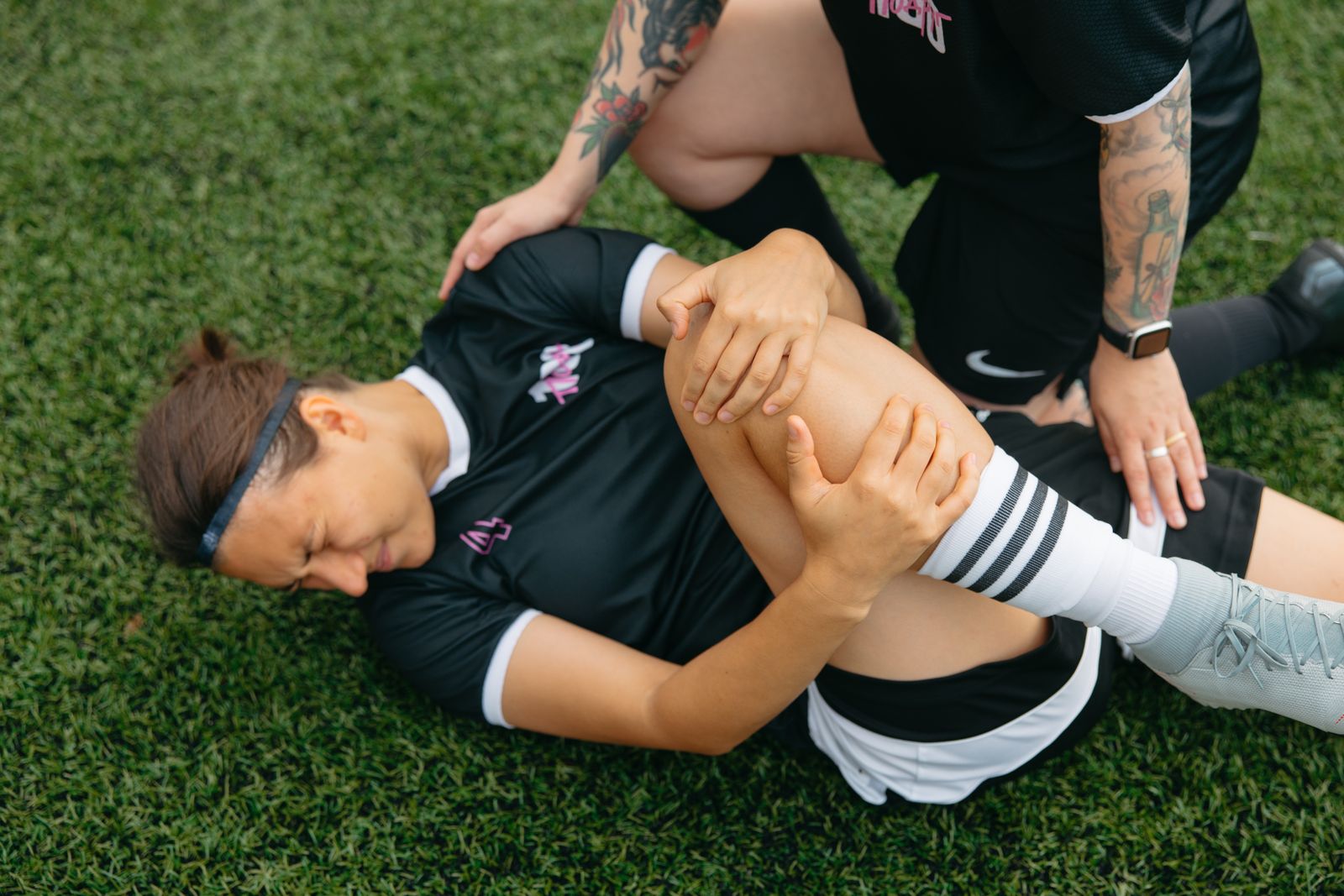
Canadian shoulder support options • Live Medibrace product pages • Fit and use guidance for recovery routines
Heat Therapy Pad for Shoulder Surgery Recovery
Choosing warmth and support after shoulder surgery
Shoulder surgery recovery can involve different stages, from protected rest to gradual daily movement. A heat therapy pad is a comfort tool, while a shoulder brace or immobilizer is used to support positioning and stability. The best choice depends on your procedure, current instructions, swelling level, and whether you need an immobilizer, abduction pillow, or lighter shoulder support.
Match the shoulder support route to the recovery situation and warmth timing.
| If your main scenario is... | Choose this route | Medibrace option | Why it fits |
|---|---|---|---|
| Early protected rest after surgery | Immobilizer with controlled arm position | BREG ARC 2.0 With Pillow | The pillow helps position the arm away from the torso when that setup is part of post-op instructions. |
| Sling-style protection without an abduction pillow | Shoulder immobilizer | BREG Deluxe Shoulder Immobilizer | A straightforward immobilizer can suit short daily routines when the shoulder needs supported rest. |
| More structured post-op positioning | Adjustable shoulder brace | BREG ARC 2.0 Shoulder Brace | The structured design suits recovery plans that call for more controlled shoulder and arm placement. |
| Later-stage daily support after clearance | Knit shoulder brace | Bauerfeind OmoTrain Shoulder Brace | A lower-profile brace may fit light daily activity once immobilization is no longer the main need. |
| Shoulder comfort before guided mobility | Warmth plus cleared support routine | Bauerfeind OmoTrain S Shoulder Brace | The strap-supported design can add shoulder guidance during carefully cleared movement routines. |
Recommended Medibrace options
BREG ARC 2.0 With Pillow

- Role: Post-op positioning option with pillow
- Support type: Abduction pillow shoulder immobilizer
- Price: $217.99
- Best for: Recovery plans where the surgical team wants the arm held away from the body during rest and short transfers.
- Tradeoff: Bulkier under clothing and less convenient for tight spaces or quick dressing changes.
BREG ARC 2.0 Shoulder Brace

- Role: Structured shoulder positioning brace
- Support type: Adjustable shoulder brace
- Price: $254.99
- Best for: Post-surgery routines that need more controlled arm placement than a simple sling during protected daily movement.
- Tradeoff: Takes more time to adjust, especially if one-handed setup is difficult.
BREG Deluxe Shoulder Immobilizer

- Role: Simple protected-rest immobilizer
- Support type: Shoulder immobilizer
- Price: $70.00
- Best for: Short home routines when the priority is keeping the shoulder supported close to the body after clinician guidance.
- Tradeoff: Less positional control than pillow or structured brace designs.
Bauerfeind OmoTrain S Shoulder Brace

- Role: Later-stage guided shoulder support
- Support type: Knit shoulder brace with strap guidance
- Price: $310.00
- Best for: Cleared later-stage activity where the shoulder needs comfortable guidance during light, repeated daily movement.
- Tradeoff: Usually not the first choice when strict immobilization is still required.
How heat, cold, and shoulder supports differ during recovery planning.
| Choice | Best context | Main advantage | When to choose differently |
|---|---|---|---|
| Heat therapy pad | After your clinician clears warmth | May help with comfort before gentle mobility or stretching routines | Choose cold therapy guidance instead when swelling or fresh post-op instructions point that way. |
| Cold therapy pad | Early swelling-focused routines | Commonly used for comfort management soon after surgery | Choose warmth only when your care team says the timing is appropriate. |
| Shoulder immobilizer | Protected rest and arm positioning | Supports the shoulder during home routines, transfers, and sleep positioning | Choose a lower-profile brace later if strict positioning is no longer needed. |
| Knit shoulder brace | Later daily activity after clearance | Offers lighter guidance with easier wear under some clothing | Choose an immobilizer when your instructions still require protected rest. |
Fit, use, and safety guidance
- Follow your surgeon or physiotherapist's timing for heat, cold, sling use, and movement.
- Keep heat gentle and place a fabric layer between the pad and skin unless your device instructions say otherwise.
- Check skin often, especially if sensation is reduced around the shoulder or upper arm.
- Choose a brace size that keeps straps secure without pressure at the neck, incision area, or underarm.
- Stop a session and ask for guidance if warmth increases discomfort, redness, swelling, or unusual symptoms.
Health and safety note: This Medibrace guide is general product-selection information only. It does not diagnose, treat, cure, prevent, prescribe, or replace advice from a licensed clinician.
When to check with a clinician first
Check with your surgeon, physiotherapist, or another qualified clinician before using heat after shoulder surgery, especially in the first weeks, around incisions, with reduced skin sensation, or if swelling, fever, drainage, numbness, or increasing discomfort is present. Confirm whether your plan calls for cold therapy, an immobilizer, an abduction pillow, or a lighter support before changing routines.
Related Medibrace routes
FAQ
When can I use a heat therapy pad after shoulder surgery?
Use heat only when your surgical team says it fits your recovery stage. Many early plans prioritize positioning, cold therapy, and protected rest before warmth is added.
Should I use heat or cold after shoulder surgery?
Cold therapy is commonly used earlier for comfort routines, while heat is usually considered later after clearance. Follow the timing from your clinician.
Can I wear a shoulder brace while using a heat pad?
Ask your clinician first. Heat should not be trapped under a brace unless your care instructions and device directions allow that setup.
Which shoulder support works best with recovery at home?
It depends on your instructions. Some plans call for an immobilizer or pillow, while later stages may allow a lighter shoulder brace.