
Knee Compression Sleeve for Meniscus Tear Canada
Knee Compression Sleeve for Meniscus Tear in Canada
This page is for informational purposes only and does not constitute medical advice. Always consult a qualified healthcare provider before selecting or using a brace or support for your situation.
Direct answer: A knee compression sleeve for meniscus tear comfort is usually chosen for light, flexible support when swelling, stiffness, or mild activity sensitivity is the main concern. It may help with warmth and proprioception during walking or work, while hinged or wraparound bracing is often considered when the knee feels unstable.
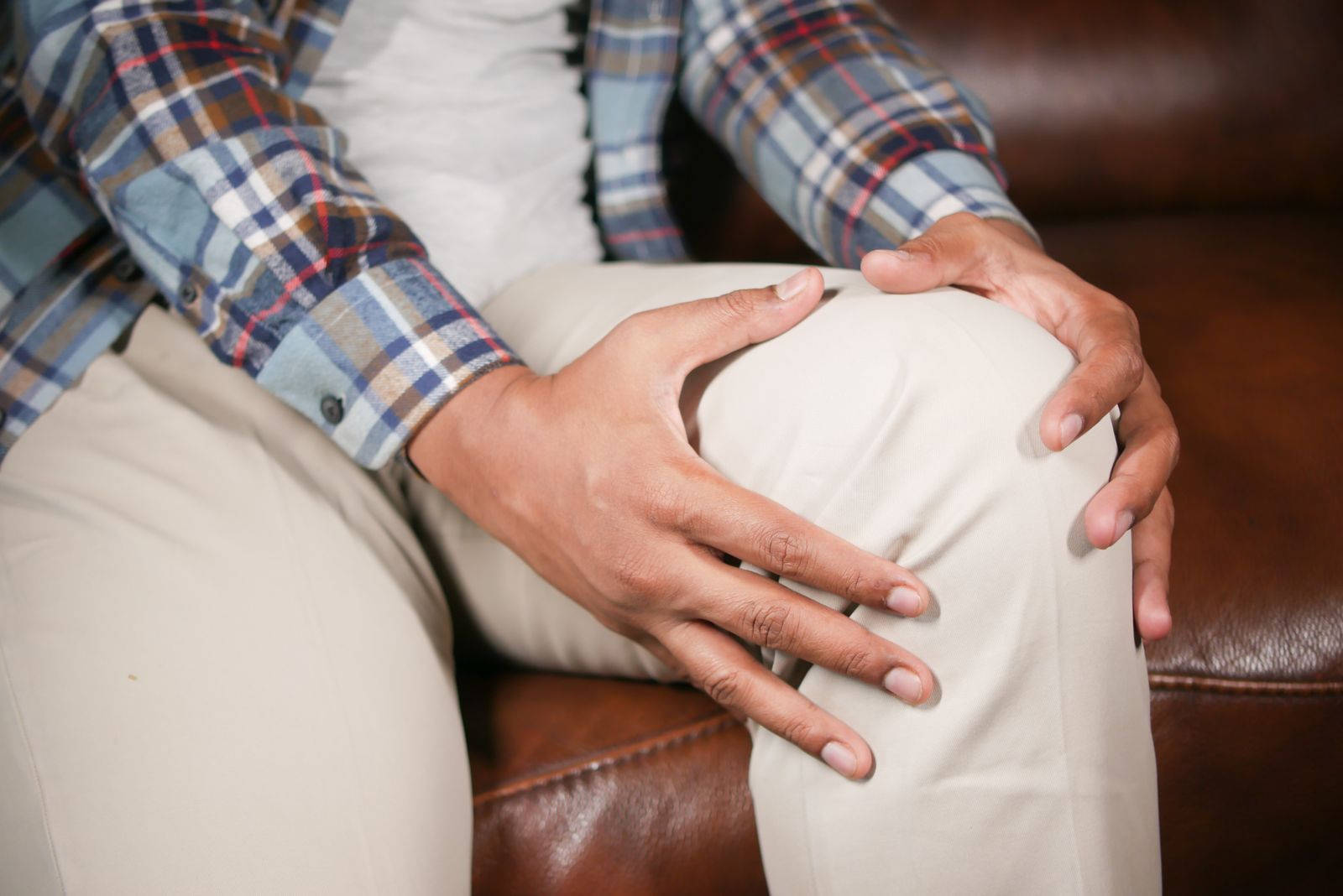
Canadian store • Fast shipping options • Real product guidance • Secure checkout
Knee Compression Sleeve for Meniscus Tear
Choosing compression for meniscus-related knee sensitivity
Meniscus discomfort can feel different from one person to the next. Some shoppers want a low-profile sleeve for daily movement, while others need more structure for longer walks, uneven ground, or sport. The best choice depends on swelling, stability, activity level, and whether your clinician has given specific brace guidance.
Use this quick selector to match common knee scenarios with a sensible support route.
| If your main scenario is... | Choose this route | Medibrace option | Why it fits |
|---|---|---|---|
| Mild swelling after errands or short walks | Knee-length graduated compression | Bauerfeind Merino Compression Knee Sleeve 20-30 mmHg | Covers the knee area with steady compression and a low-profile feel for everyday comfort. |
| Cold weather walking or commuting | Warm compression knee sleeve | Bauerfeind Merino Compression Knee Sleeve 20-30 mmHg | Merino construction helps keep the joint area warm while adding gentle supportive pressure. |
| Knee feels sensitive and needs more guidance | Structured knee brace | Bauerfeind Merino Knee Brace | Adds a more brace-like feel than a simple compression sleeve for days when control matters more. |
| Activity includes running or gym training | Performance compression below the knee | Bauerfeind Compression Sock Training | Useful when lower-leg fatigue and circulation support are part of the activity plan. |
| Calf tightness accompanies knee discomfort | Calf-focused compression | Bauerfeind Sports Compression Calf Sleeves (Pair) | Targets the calf rather than the joint, which can suit athletes managing lower-leg load. |
Recommended Medibrace options
Bauerfeind Merino Compression Knee Sleeve 20-30 mmHg

- Role: Primary low-profile knee compression choice
- Support type: 20-30 mmHg knee sleeve compression
- Price: $120.99
- Best for: Daily walking, commuting, and cooler-weather activity when meniscus-related knee sensitivity feels better with warmth and even pressure around the joint.
- Tradeoff: It is flexible compression, so choose a more structured brace if the knee buckles or feels unstable.
Bauerfeind Merino Knee Brace

- Role: More structured knee support option
- Support type: Knee brace with a more guided feel
- Price: $210.99
- Best for: Shoppers who want more than sleeve-style compression for longer days on their feet, uneven surfaces, or a knee that feels like it needs extra guidance.
- Tradeoff: Bulkier than a simple sleeve and less minimal under slim clothing.
Bauerfeind Compression Sock Training

- Role: Training-day lower-leg compression
- Support type: Sport compression sock pair
- Price: $135.99
- Best for: Running, gym, or training sessions where calf support and lower-leg circulation comfort matter alongside a cautious return to knee-friendly activity.
- Tradeoff: It supports the lower leg rather than bracing the knee joint itself.
Bauerfeind Sports Compression Calf Sleeves (Pair)

- Role: Calf-focused activity support
- Support type: Pair of calf compression sleeves
- Price: $100.99
- Best for: Active users who prefer open-foot compression and want help with calf comfort during runs, court sports, or workouts while keeping knee bracing separate.
- Tradeoff: No direct knee coverage, so pair with clinician guidance if joint support is the priority.
Compression and brace choices differ by how much guidance, warmth, and coverage you want.
| Choice | Best context | Main advantage | When to choose differently |
|---|---|---|---|
| Knee compression sleeve | Mild swelling, warmth, and daily comfort | Low profile and easy to wear under clothing | Choose a brace if the knee feels unstable or needs more control. |
| Structured knee brace | Longer walks, uneven ground, or a guided feel | More supportive sensation than compression alone | Choose a sleeve if bulk and flexibility matter most. |
| Training compression sock | Running or gym days with lower-leg fatigue | Supports calf and foot circulation comfort during activity | Choose knee coverage when the joint area is the main concern. |
| Calf compression sleeve | Open-foot sport use and calf tightness | Easy to pair with preferred socks or footwear | Choose knee compression when warmth around the joint is needed. |
Fit, use, and safety guidance
- Measure your knee or limb according to the product size chart before ordering.
- Compression should feel snug and even, not sharp, numb, or restrictive.
- Remove the sleeve and reassess if swelling increases or skin colour changes.
- Start with shorter wear periods during activity to check comfort and fit.
- Follow any brace or activity guidance already provided by your clinician.
Health and safety note: This Medibrace guide is general product-selection information only. It does not diagnose, treat, cure, prevent, prescribe, or replace advice from a licensed clinician.
When to check with a clinician first
Check with a clinician before choosing compression if you have sudden swelling, locking, giving-way, severe pain, recent trauma, reduced circulation, numbness, diabetes-related foot or leg concerns, or if a professional has recommended a specific brace type after a meniscus injury.
Related Medibrace routes
FAQ
Can a knee compression sleeve help with meniscus tear comfort?
A sleeve may help with comfort, warmth, and a more supported feeling during light activity. It does not replace diagnosis, rehabilitation guidance, or a brace prescribed for instability.
Should I choose a sleeve or a hinged knee brace?
Choose a sleeve for low-profile compression when the knee feels generally sensitive. Consider a more structured brace route if the knee gives way, twists easily, or needs extra guidance.
Can I wear knee compression for walking?
Many people use knee compression for walking because it is flexible and easy to wear. Fit should be snug but comfortable, and symptoms should not worsen during use.
Is 20-30 mmHg compression appropriate for everyone?
Not always. People with circulation concerns, numbness, diabetes-related leg issues, or unclear swelling should ask a clinician before using firm compression.