
Knee Compression Sleeve vs Unloader Knee Brace
Knee Compression Sleeve vs Unloader Knee Brace: Which Support Do You Need?
This page is for informational purposes only and does not constitute medical advice. Always consult a qualified healthcare provider before selecting or using a brace or support for your situation.
Direct answer: A knee compression sleeve is usually chosen for light compression, warmth, and everyday comfort around the knee. An unloader knee brace is a more structured option commonly used when alignment, side-to-side stability, or compartment pressure management matters. Choose by activity level, fit tolerance, and whether a clinician has recommended a brace style.
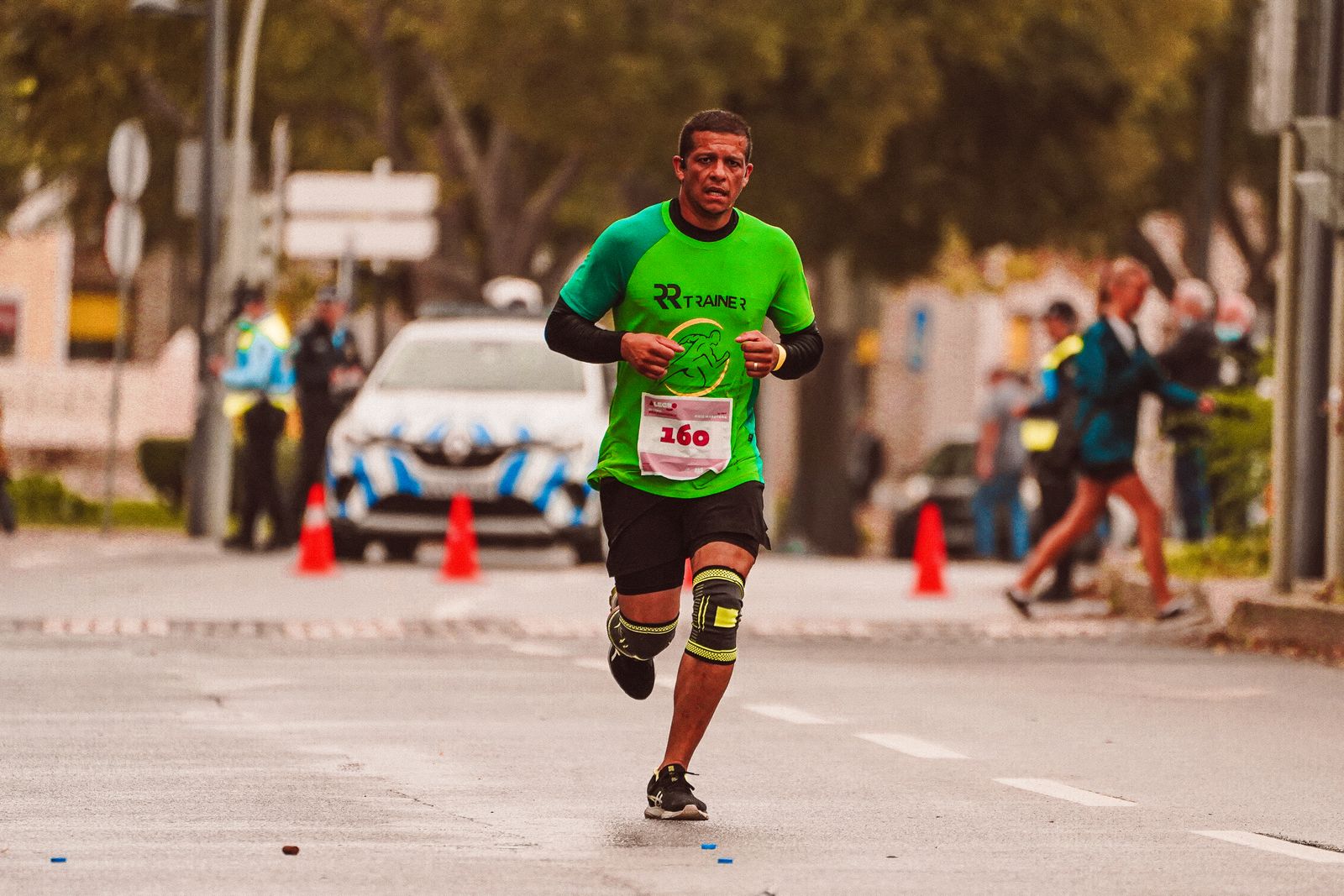
Canadian support • Real product options • Fit-focused guidance • Health-Canada-safe wording
How to compare the two support paths
The best choice depends on what you need the support to do. A sleeve gives flexible coverage with medical compression or 20-30 mmHg pressure, while an unloader brace uses a frame and straps to guide positioning. For walking, stairs, sport, swelling context, or post-surgery support, the route can change.
Use this quick selector to match the support style to the situation.
| If your main scenario is... | Choose this route | Medibrace option | Why it fits |
|---|---|---|---|
| Daily walking with mild knee awareness | Flexible knee sleeve | Bauerfeind Merino Compression Knee Sleeve 20-30 mmHg | Gives breathable 20-30 mmHg coverage for people who want warmth and gentle pressure without a rigid frame. |
| Cool-weather errands or long standing days | Warm compression sleeve | Bauerfeind Merino Knee Brace | Adds a more brace-like feel with merino comfort when the priority is knee coverage during repeated standing and walking. |
| Running or training where lower-leg fatigue is the main issue | Performance sock route | Bauerfeind Compression Sock Training | Targets lower-leg circulation feel and training comfort when the knee itself does not need a framed brace. |
| Outdoor activity with full lower-leg compression preference | Sock-based medical compression | Bauerfeind Performance Compression Socks 20-30 mmHg | Fits active users who prefer 20-30 mmHg compression from foot to calf rather than a knee-only sleeve. |
| Clinician-directed alignment support | Unloader knee brace discussion | Bauerfeind Merino Knee Brace | Start with a fit conversation, since a true unloader style is selected for alignment goals rather than simple sleeve comfort. |
Recommended Medibrace options
Bauerfeind Merino Compression Knee Sleeve 20-30 mmHg

- Role: Primary knee sleeve option
- Support type: 20-30 mmHg knee compression sleeve
- Price: $120.99
- Best for: People comparing sleeve comfort against a larger brace and wanting knee-only warmth, flexible pressure, and easy wear under everyday clothing.
- Tradeoff: Less structured than a framed unloader brace for alignment-focused support.
Bauerfeind Merino Knee Brace

- Role: Warmer brace-feel knee option
- Support type: Merino knee brace with soft compression feel
- Price: $210.99
- Best for: Cooler days, standing-heavy routines, and users who want more substantial knee coverage than a thin sleeve while keeping a soft textile fit.
- Tradeoff: Bulkier than a simple sleeve and still different from a rigid unloader frame.
Bauerfeind Compression Sock Training

- Role: Training-focused alternative
- Support type: Sport compression sock pair
- Price: $135.99
- Best for: Training days where calf and lower-leg comfort matter more than knee bracing, especially for runners comparing whole-leg support routes.
- Tradeoff: Does not provide knee-only coverage or brace-style side stability.
Bauerfeind Performance Compression Socks 20-30 mmHg

- Role: Full lower-leg compression option
- Support type: 20-30 mmHg performance compression socks
- Price: $135.99
- Best for: Active users who prefer foot-to-calf medical compression for long walks, travel days, or workouts instead of a dedicated knee sleeve.
- Tradeoff: Less focused around the knee joint than a knee sleeve or brace.
The main difference is flexibility versus structure.
| Choice | Best context | Main advantage | When to choose differently |
|---|---|---|---|
| Knee compression sleeve | Everyday comfort, warmth, and flexible pressure | Easy to wear under clothing and simple to size | Choose differently when a clinician recommends alignment support. |
| Unloader knee brace | Alignment-focused support and compartment pressure management context | More structured frame and strap system | Choose differently if you only need light compression for daily comfort. |
| Compression socks | Lower-leg circulation feel, travel, walking, and training | Covers foot-to-calf instead of only the knee | Choose differently when knee coverage is the clear priority. |
| Soft knee brace | More coverage than a sleeve without a rigid unloader frame | Can feel warmer and more substantial | Choose differently if minimal bulk is more important than coverage. |
Fit, use, and safety guidance
- Measure carefully, since a sleeve that rolls or pinches will be hard to wear consistently.
- Choose 20-30 mmHg only when that pressure level matches your comfort needs or clinician guidance.
- A framed brace needs strap tension that feels secure without numbness, tingling, or skin changes.
- Match the support to the activity: desk days, stairs, walking, training, and travel can call for different formats.
- Stop use and ask for guidance if pain increases, swelling changes quickly, or the brace changes skin colour or sensation.
Health and safety note: This Medibrace guide is general product-selection information only. It does not diagnose, treat, cure, prevent, prescribe, or replace advice from a licensed clinician.
When to check with a clinician first
Check with a clinician before choosing between a sleeve and an unloader brace if you have a new injury, significant swelling, recent surgery, instability, numbness, circulation concerns, or a diagnosis that may require a specific brace design. A professional can help match the support level, pressure, and fit to your situation.
Related Medibrace routes
FAQ
Is a knee compression sleeve the same as an unloader knee brace?
No. A sleeve offers flexible compression and warmth, while an unloader knee brace is more structured and commonly used when alignment support is part of the plan.
Can I wear a knee sleeve for walking?
Many people use a knee sleeve for walking comfort, especially when they want light pressure and easy movement without a rigid frame.
When is an unloader brace worth discussing?
Discuss an unloader brace when a clinician has mentioned alignment, compartment pressure management, or a more structured knee support strategy.
Do compression socks replace a knee sleeve?
Compression socks support the lower leg, while a knee sleeve focuses around the knee. The better choice depends on where you want coverage and pressure.