
Best Lower Back Brace for Lifting Canada
Best Lower Back Brace for Lifting Canada
Direct answer: The best lower back brace for lifting in Canada is usually a task-adjustable lumbar support: a pulley belt when you want quick tension before and after a lift, an elastic work support for straightforward job-site or home lifting, or a semi-rigid lumbar brace when you want cleaner daily support. What changes in the lifting scenario is timing and restraint: the brace should support setup, position awareness, and comfort during a specific task, not make unsafe loads feel safe.
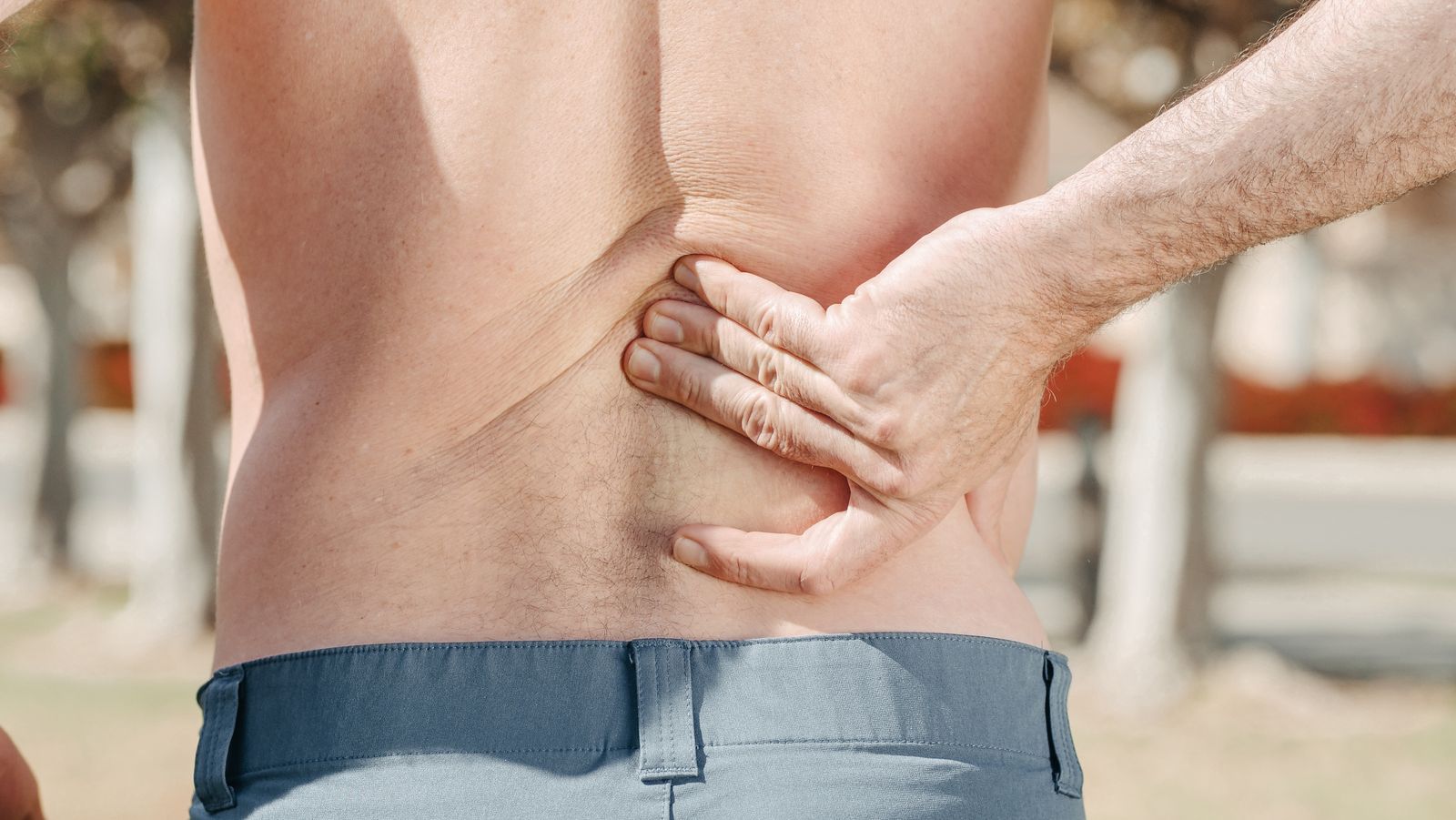
Health and fit note: This guide is for product selection and education only. It does not diagnose, treat, cure, or prevent medical conditions or injuries. Follow product instructions and seek qualified medical guidance for new, severe, worsening, or nerve-like symptoms.
Quick selector for lifting scenarios
| If this sounds like your lifting situation | Choose this support type | Medibrace option | Why it fits |
|---|---|---|---|
| Repeated lifting at work, moving, or yard tasks | Pulley or elastic lumbar support | MKO Pulley Back Brace or MedSpec Back-n-Black Back Support | Fast tension adjustment and broad support when the brace is worn around the task, not all day by default. |
| You want a cleaner low-profile brace for daily errands plus occasional lifting | Semi-rigid lumbar brace | Bauerfeind LordoLoc Back Brace | More discreet lumbar guidance than a work belt, with less of an industrial brace feel. |
| You bend, stand, and lift but dislike soft belts rolling | Lumbar brace with stays | Bauerfeind LumboLoc Back Brace | Stays add shape and position feedback; fit matters so the brace does not dig in when bending. |
| A clinician asked for higher-control support | Spinal orthosis-style brace | Corflex Disc Unloader Spinal Orthosis | A stronger route when directed, not the first pick for ordinary lifting support shopping. |
| Pain travels down the leg, numbness appears, or weakness is changing | Do not self-select a lifting brace | Clinical assessment first | Those symptoms change the job from shopping for support to checking what is driving the symptoms. |
What changes when the brace is for lifting?
A lifting brace decision is different from a general lower-back comfort decision because the brace is often used around a task: tightening before a carry, loosening after, checking that it does not dig in during a hinge or squat, and avoiding the false confidence that can come from a very stiff belt. If your main issue is sitting comfort, sciatica-type leg symptoms, or desk posture, use the related routes below instead of treating this as only a lifting-belt decision.
Compare lower-back support types
| Support type | Best lifting context | Main advantage | Main tradeoff |
|---|---|---|---|
| Pulley lifting belt | Task-based lifting support | Easy to tighten before a lift and loosen after | Can create false confidence if used to lift more than planned |
| Elastic work back support | Budget-friendly practical support | Simple, familiar belt feel | Less precise tension control than pulley designs |
| Semi-rigid lumbar brace | Lower-profile daily support | Cleaner fit under clothing, more structured than elastic | Not as task-adjustable as a pulley belt |
| Lumbar brace with stays | More shape and position feedback | Helps remind posture during setup and standing | Can be less comfortable while sitting or deep bending |
| High-control orthosis | Clinician-directed support | More control when a simple belt is not enough | Usually excessive for routine lifting searches |
Recommended Medibrace options
MKO Pulley Back Brace

- Role: Best work-style pulley support
- Support type: Pulley-adjusted lumbar support
- Price: $82.07
- Best for this lifting scenario: people who lift at work or during chores and want easy tension changes before and after the task
- Tradeoff: more belt-like than a knit brace; it should support position awareness, not encourage heavier lifting
Bauerfeind LordoLoc Back Brace

- Role: Best low-profile premium lumbar brace
- Support type: Semi-rigid lumbar brace
- Price: $260.00
- Best for this lifting scenario: daily lifting-adjacent use when you want firmer lumbar guidance without a large industrial belt feel
- Tradeoff: less quick to cinch than a pulley belt and not a substitute for load-management changes
MedSpec Back-n-Black Back Support

- Role: Best practical lifting support value
- Support type: Elastic back support belt
- Price: $108.21
- Best for this lifting scenario: buyers comparing a straightforward work belt for occasional lifting, warehouse tasks, yard work, or moving boxes
- Tradeoff: may feel hotter or bulkier during long wear; avoid over-tightening around the abdomen
Bauerfeind LumboLoc Back Brace

- Role: Best firmer lumbar guidance
- Support type: Lumbar brace with stays
- Price: $340.00
- Best for this lifting scenario: people who want more structure for standing and lifting setup than a soft elastic belt provides
- Tradeoff: more noticeable when bending or sitting, so it is not the best route if flexibility is the top priority
Corflex Disc Unloader Spinal Orthosis

- Role: Best higher-control option when directed
- Support type: Spinal orthosis-style lumbar support
- Price: $307.50
- Best for this lifting scenario: situations where a clinician has suggested more controlled support rather than a simple lifting belt
- Tradeoff: too much brace for routine lifting searches unless professional guidance points that way
Fit and use guidance
Put the brace on before the lifting task, check that it sits low enough to support the lumbar area without blocking breathing, and loosen it after the task if you do not need continued support. A good fit feels secure, not restrictive. Stop and reassess if you notice numbness, tingling, skin colour changes, shortness of breath, worsening pain, or pressure at the ribs or abdomen.
This page is not the right route if you need an upper-back posture corrector, a post-surgical brace, an emergency evaluation, or advice for progressive leg symptoms. In those cases, use the better-matched category or get clinical guidance before choosing a stronger brace.
Related routes
FAQ
What is the best lower back brace for lifting?
For lifting, the best match is usually a pulley or elastic lumbar support that can be tightened around the task, or a semi-rigid lumbar brace when you want lower-profile daily guidance. The brace should help with support and position awareness; it should not be used to lift heavier loads than you otherwise would.
How is a lifting back brace different from a general lower-back brace?
A lifting page prioritizes task timing, quick tension changes, bending comfort, heat, and avoiding false confidence. A general lower-back page focuses more on daily lumbar comfort, sitting, walking, or symptom routing.
When should I not use this page as my route?
Do not use this page as the main route for new injury, severe pain, spreading leg symptoms, numbness, changing weakness, saddle-area numbness, or bowel/bladder changes. Seek appropriate medical guidance urgently for red-flag symptoms.
Should I choose posture support instead?
Choose posture support when the main issue is upper-back or shoulder positioning at a desk. Choose lumbar/back braces when the task is lower-back support for lifting, standing, or carrying.