
Open Toe Compression Stockings vs Maternity Compression Stockings
Open Toe Compression Stockings vs Maternity Compression Stockings: Which Support Do You Need?
This page is for informational purposes only and does not constitute medical advice. Always consult a qualified healthcare provider before selecting or using a brace or support for your situation.
Direct answer: Open toe compression stockings are usually chosen when toe freedom, sandal wear, or forefoot sensitivity matters. Maternity compression stockings are shaped for pregnancy comfort, especially around the waist and abdomen. If you need foot ventilation and easier toe checks, compare open toe options. If belly fit is the deciding factor, maternity-specific designs are usually the more practical route.
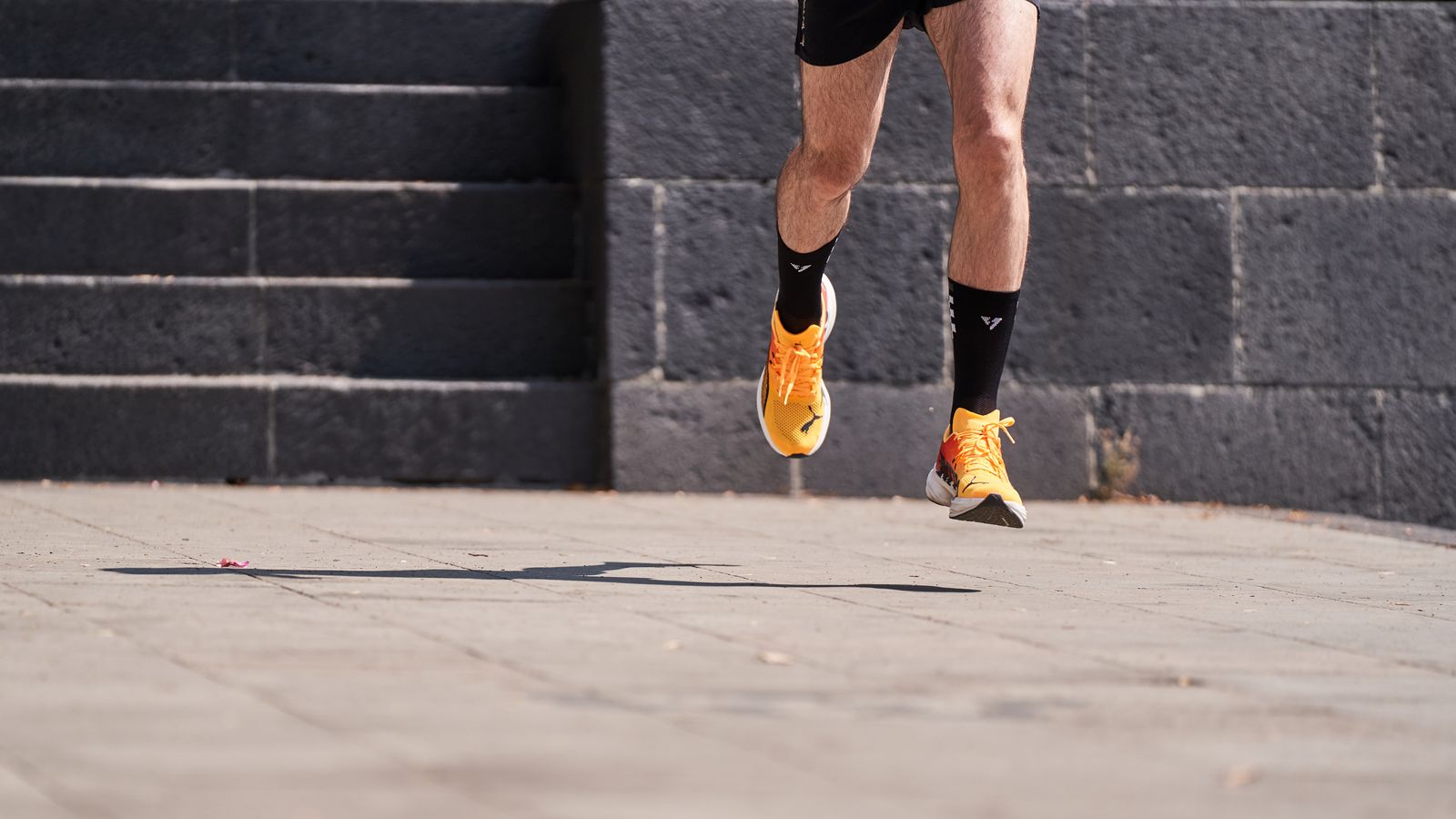
Canadian compression options • 20-30 mmHg products available • Fit guidance for daily wear
Open Toe vs Maternity Compression
How to choose between open toe and maternity compression
Both options can support leg comfort, steadiness, and everyday swelling management, but they solve different fit problems. Open toe stockings leave the forefoot uncovered, while maternity compression is built around pregnancy body changes and waist comfort. The best choice depends on where you need room, how long you wear compression, and whether your priority is toe comfort or abdomen-friendly fit.
Use this quick selector to match the support route to your day.
| If your main scenario is... | Choose this route | Medibrace option | Why it fits |
|---|---|---|---|
| Pregnancy with changing waist comfort | Maternity-style compression route | Bauerfeind Compression Sock Merino 20-30 mmHg (Pair) | Choose a sock-style option when lower-leg pressure is the focus and waist coverage is not needed. |
| Toe sensitivity, nail care, or sandal wear | Open toe stocking route | Bauerfeind Performance Compression Socks 20-30 mmHg | A performance sock is an alternative when closed foot coverage is acceptable and calf support matters most. |
| Warm workdays with long standing | Breathable lower-leg support | Bauerfeind Compression Sock Training | Good for active standing days when a secure sock feel and lower-leg containment are priorities. |
| Outdoor walking in cooler weather | Merino comfort support | Bauerfeind Compression Sock Merino 20-30 mmHg (Pair) | Merino construction suits cooler commutes and walks when warmth and steady compression are useful. |
| Calf-focused support without foot coverage | Calf sleeve route | Bauerfeind Sports Compression Calf Sleeves (Pair) | Leaves the foot free while adding calf-focused support for training, walking, or shoe-fit flexibility. |
Recommended Medibrace options
Bauerfeind Compression Sock Merino 20-30 mmHg (Pair)

- Role: Cool-weather daily compression sock
- Support type: 20-30 mmHg lower-leg medical compression
- Price: $130.99
- Best for: Daily wear when lower-leg comfort is the goal and a warmer merino feel suits commuting, walking, or cooler indoor settings.
- Tradeoff: Closed toe coverage may feel less airy than an open toe stocking.
Bauerfeind Performance Compression Socks 20-30 mmHg

- Role: Performance-focused compression sock
- Support type: 20-30 mmHg calf and foot compression
- Price: $135.99
- Best for: Active days when you want a fitted sock feel for walking, workouts, errands, or long periods on your feet.
- Tradeoff: It does not provide the abdomen-friendly shape of maternity hosiery.
Bauerfeind Compression Sock Training

- Role: Training and standing-day sock
- Support type: Sport-oriented lower-leg compression
- Price: $135.99
- Best for: People comparing compression options for gym sessions, long work shifts, or frequent movement where sock security matters.
- Tradeoff: Closed foot design is less useful if toe exposure is the main reason for shopping.
Bauerfeind Sports Compression Calf Sleeves (Pair)

- Role: Foot-free calf support option
- Support type: Calf sleeve compression without foot coverage
- Price: $100.99
- Best for: Shoe-fit flexibility, warm training days, or situations where the foot and toes need to remain uncovered.
- Tradeoff: It does not add foot or ankle coverage like a full stocking or sock.
The main difference is fit location: open toe focuses on the forefoot, maternity focuses on pregnancy-friendly body shape.
| Choice | Best context | Main advantage | When to choose differently |
|---|---|---|---|
| Open toe compression stockings | Toe sensitivity, sandals, foot inspection, or warmer days | Leaves toes uncovered while supporting the leg through the stocking | Choose differently when pregnancy waist fit is the bigger concern. |
| Maternity compression stockings | Pregnancy when abdomen and waistband comfort matter | Designed around changing body shape for longer wear comfort | Choose differently when you mainly need toe freedom or foot ventilation. |
| Compression socks | Daily lower-leg support with standard footwear | Simple to size, easy to wear, and available in 20-30 mmHg options | Choose differently when thigh coverage or maternity shaping is required. |
| Calf sleeves | Activity where the foot must stay uncovered | Keeps shoe choice flexible and focuses support on the calf | Choose differently when foot or ankle coverage is important. |
Fit, use, and safety guidance
- Measure early in the day when legs are usually less swollen.
- Match size to calf, ankle, and length measurements instead of shoe size alone.
- Choose open toe when toe space, nail care, or sandal compatibility matters.
- Choose maternity shaping when waistband pressure or abdomen fit affects wear time.
- Remove compression and seek professional advice if you notice numbness, color change, or unusual discomfort.
Health and safety note: This Medibrace guide is general product-selection information only. It does not diagnose, treat, cure, prevent, prescribe, or replace advice from a licensed clinician.
When to check with a clinician first
Ask a clinician before choosing compression during pregnancy, after surgery, with diabetes, circulation concerns, skin changes, sudden swelling, or one-sided calf pain. A professional can advise whether medical compression is appropriate and which pressure level fits your situation.
Related Medibrace routes
FAQ
Are open toe compression stockings better than maternity compression stockings?
They are better when toe freedom, foot ventilation, or sandal wear matters most. Maternity compression is usually better when pregnancy-friendly waistband and abdomen fit are the priority.
Can I use regular compression socks during pregnancy?
Some people use lower-leg compression socks during pregnancy, but it is wise to ask a clinician which pressure level and style are appropriate for your situation.
Why choose open toe compression?
Open toe styles leave the toes uncovered, which can help with comfort, nail care, warmer footwear, and checking toe color or skin changes.
What pressure should I look for?
Medibrace carries options such as 20-30 mmHg. A clinician can help confirm whether that level or another pressure is the right fit for you.