
Thigh-High Compression Stockings for Recovery Canada
Thigh-High Compression Stockings for Recovery in Canada
This page is for informational purposes only and does not constitute medical advice. Always consult a qualified healthcare provider before selecting or using a brace or support for your situation.
Direct answer: Thigh-high compression stockings for recovery are commonly used when you want more leg coverage than a sock or calf sleeve after long days, travel, training, or standing work. Choose thigh-high coverage for upper-leg continuity, or a lower-leg 20-30 mmHg option when your recovery routine mainly involves the foot, ankle, calf, or knee.
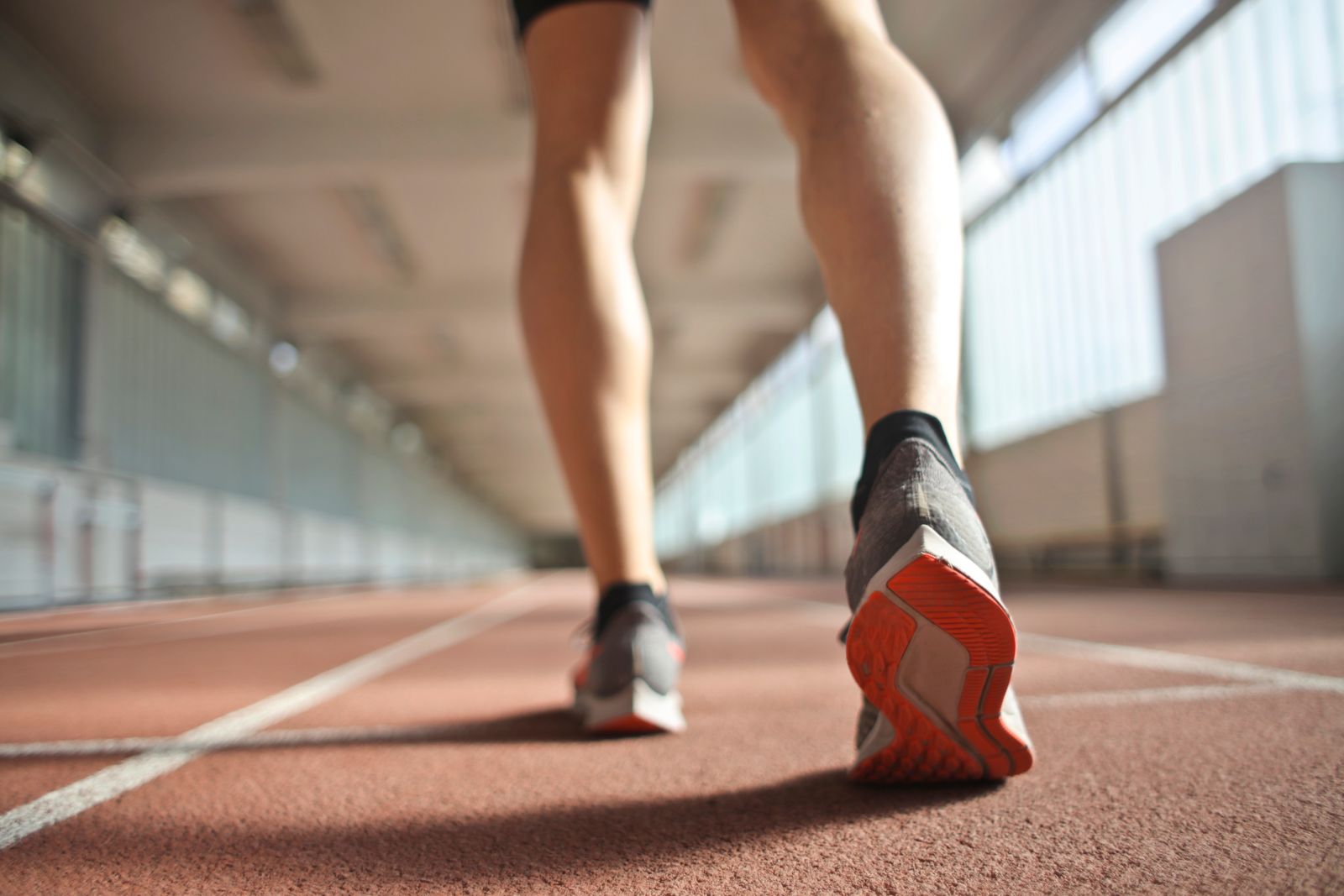
Canadian shopping • 20-30 mmHg options • Use-case based selection • Professional guidance encouraged
Recovery compression stockings
How to choose recovery compression coverage
Recovery compression should match where you want support, how long you plan to wear it, and whether you need everyday comfort or sport-focused fabric. Thigh-high stockings offer fuller leg coverage, while socks and sleeves can be easier to pair with shoes, training gear, or targeted post-activity routines.
Use your main recovery scenario to compare coverage, pressure, and wearability.
| If your main scenario is... | Choose this route | Medibrace option | Why it fits |
|---|---|---|---|
| Long work shifts with full-leg tiredness | Thigh-high style coverage from the compression collection | Compression socks and stockings collection | Start with fuller coverage when the upper leg is part of the comfort goal and you want a stocking-style option. |
| Post-run or training calf fatigue | Sport sock with 20-30 mmHg lower-leg compression | Bauerfeind Performance Compression Socks 20-30 mmHg | A performance sock suits shoe-based recovery routines where the foot and calf need steady pressure after activity. |
| Cool-weather walking or travel recovery | Merino 20-30 mmHg compression sock | Bauerfeind Compression Sock Merino 20-30 mmHg | Merino fabric adds warmth and comfort for longer wear during commutes, flights, or outdoor recovery walks. |
| Calf-focused recovery without foot coverage | Calf sleeve pair for lower-leg muscle support | Bauerfeind Sports Compression Calf Sleeves | A sleeve leaves the foot free while giving calf-focused support for training, cycling, or shoe-fit preferences. |
| Knee-area recovery comfort after activity | 20-30 mmHg knee sleeve | Bauerfeind Merino Compression Knee Sleeve 20-30 mmHg | Choose knee-centered compression when the recovery routine is more about knee warmth, pressure, and movement comfort. |
Recommended Medibrace options
Bauerfeind Performance Compression Socks 20-30 mmHg

- Role: Sport recovery sock
- Support type: 20-30 mmHg lower-leg medical compression
- Price: $135.99
- Best for: Post-training routines where the foot, ankle, and calf need consistent pressure while still fitting inside athletic shoes.
- Tradeoff: Less upper-leg coverage than a thigh-high stocking.
Bauerfeind Compression Sock Merino 20-30 mmHg (Pair)

- Role: Warm everyday recovery sock
- Support type: 20-30 mmHg merino lower-leg medical compression
- Price: $130.99
- Best for: Travel, cool-weather walking, and long standing days when warmth and lower-leg comfort matter as much as pressure.
- Tradeoff: Warmer fabric may feel too insulating for hot training sessions.
Bauerfeind Sports Compression Calf Sleeves (Pair)

- Role: Calf-focused recovery sleeve
- Support type: Calf sleeve pair for sport recovery routines
- Price: $100.99
- Best for: Runners, cyclists, and court-sport athletes who want calf support while keeping their own socks and shoe fit unchanged.
- Tradeoff: Does not include foot or ankle coverage.
Bauerfeind Merino Compression Knee Sleeve 20-30 mmHg

- Role: Knee-centered recovery sleeve
- Support type: 20-30 mmHg knee-area medical compression
- Price: $120.99
- Best for: Recovery routines focused around knee warmth, steady pressure, and comfort during light movement after activity.
- Tradeoff: Targets the knee area instead of full-leg stocking coverage.
Compare thigh-high style coverage with related recovery compression options.
| Choice | Best context | Main advantage | When to choose differently |
|---|---|---|---|
| Thigh-high compression stockings | Fuller leg recovery coverage | More continuous coverage from lower leg toward the thigh | Choose a sock or sleeve when only calf, foot, ankle, or knee support is needed. |
| 20-30 mmHg compression socks | Training, travel, and standing work | Easy to wear with shoes while supporting the foot and calf | Choose thigh-high coverage when upper-leg continuity matters. |
| Calf sleeves | Sport recovery with personal socks | Keeps shoe and sock choice flexible while focusing on the calf | Choose socks when foot and ankle pressure are part of the routine. |
| Knee compression sleeve | Knee-area comfort after activity | Adds knee-focused warmth and pressure for light movement | Choose thigh-high or sock coverage when the main goal is broader leg compression. |
Fit, use, and safety guidance
- Measure in the morning when leg size is usually most consistent.
- Match the product size chart to your calf, ankle, knee, or thigh measurements as applicable.
- A snug feel is expected, but numbness, tingling, or skin color change means you should remove it and seek guidance.
- Put compression on carefully, smoothing folds so pressure feels even across the covered area.
- For 20-30 mmHg pressure or full-leg coverage, ask a clinician if you have circulation concerns or new swelling.
Health and safety note: This Medibrace guide is general product-selection information only. It does not diagnose, treat, cure, prevent, prescribe, or replace advice from a licensed clinician.
When to check with a clinician first
Check with a clinician before using recovery compression if you have sudden swelling, unexplained pain, skin changes, diabetes-related sensation changes, circulation concerns, or instructions from a healthcare provider about compression level or wear time.
Related Medibrace routes
FAQ
Are thigh-high compression stockings useful for recovery routines?
They are commonly used when recovery comfort involves more than the calf, especially after standing, travel, or activity. The best choice depends on coverage needs, pressure level, and fit.
Should I choose thigh-high stockings or compression socks?
Choose thigh-high coverage when you want support extending above the knee. Choose socks when your routine is mainly foot, ankle, and calf focused.
Is 20-30 mmHg suitable for recovery?
20-30 mmHg is a firm medical compression level. It can be appropriate for some recovery routines, but clinician guidance is wise if you have circulation concerns or new symptoms.
Can I wear compression after workouts and during travel?
Many people use compression after workouts or during travel for comfort and stability. Follow sizing guidance and remove the product if it feels painful or causes unusual sensations.