
After Injury Back Posture Corrector Canada
After Injury Back Posture Corrector Canada
This page is for informational purposes only and does not constitute medical advice. Always consult a qualified healthcare provider before selecting or using a brace or support for your situation.
Direct answer: An after injury back posture corrector in Canada should be chosen by support area first: upper-posture cueing, lower-back stability, or lumbosacral control. For comfort, pick a brace that matches your daily positions, clothing, and activity level, and check with a clinician when symptoms are new, changing, or linked to a recent accident.
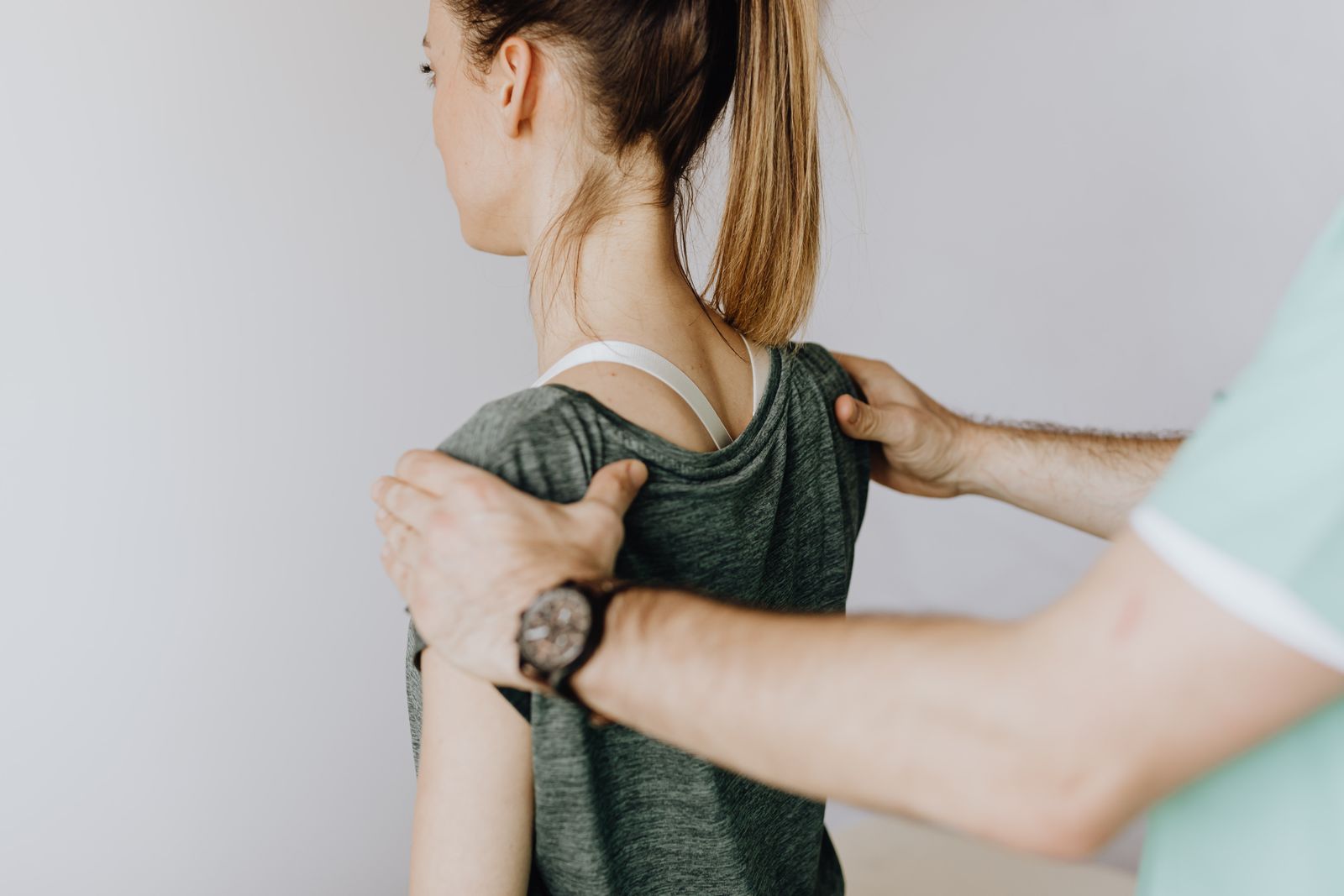
Canadian brace selection • Back and posture support options • Fit-focused guidance • Secure online ordering
After Injury Back Posture Corrector
Choosing posture support after a back injury
After an injury, posture support is usually about comfort, reminder cues, and steadier movement during everyday tasks. The best choice depends on whether you need low-profile lumbar support, firmer lumbosacral control, or a brace that stays comfortable while sitting, walking, or returning to light routines.
Quick selector for after injury back posture corrector choices
| If your main scenario is... | Choose this route | Medibrace option | Why it fits |
|---|---|---|---|
| Desk work after a lower-back strain | Low-profile lumbar stabilization | Bauerfeind LordoLoc Back Brace | Its slim profile and adjustable stays can give posture cueing without feeling bulky under work clothing. |
| More structured daily support | Firm lumbar panel with adjustable tension | Bauerfeind LumboLoc Back Brace | A steadier lumbar frame suits longer standing or walking periods when posture fatigue builds through the day. |
| Higher stability for guarded movement | Enhanced lumbosacral support | Bauerfeind LumboLoc Forte Back Brace | The stronger construction fits users who want a more anchored feel during careful returns to routine. |
| Flexible comfort for errands and sitting | Knit lumbar compression with stays | Bauerfeind LumboTrain Back Brace | The elastic knit can feel easier for mixed sitting and walking when rigid panels are more than needed. |
| Budget-conscious lower-back support | Basic lumbosacral wrap | Bird & Cronin Lumbosacral Back Support | A straightforward wrap offers an accessible option for short daily tasks and simple posture reminders. |
Recommended Medibrace options
Bauerfeind LordoLoc Back Brace

- Role: Low-profile posture cueing for lower-back routines
- Support type: Adjustable lumbar stabilization
- Price: $260.00
- Best for: People returning to desk work or light errands who want a slim brace that encourages steadier lower-back positioning without heavy bulk.
- Tradeoff: Less encompassing than taller lumbosacral braces for users who prefer a firmer anchored feel.
Bauerfeind LumboLoc Back Brace

- Role: Structured lumbar support for longer days
- Support type: Firm lumbar panel support
- Price: $340.00
- Best for: Users who notice posture fatigue during standing, walking, or work shifts and want a more structured lumbar brace with adjustable tension.
- Tradeoff: More noticeable under fitted clothing than a lighter posture cueing option.
Bauerfeind LumboLoc Forte Back Brace

- Role: Higher stability for guarded movement
- Support type: Enhanced lumbosacral control
- Price: $670.00
- Best for: After an injury, this suits users who prefer a stronger, more anchored brace feel while they move carefully through daily activities.
- Tradeoff: Its firmer design may feel excessive for short sitting periods or very light support needs.
Bauerfeind LumboTrain Back Brace

- Role: Flexible comfort for mixed daily movement
- Support type: Elastic knit lumbar support
- Price: $390.00
- Best for: People alternating between sitting, walking, and light household tasks who want responsive fabric support instead of a rigid frame.
- Tradeoff: May feel less directive than panel-style braces when strong posture cueing is preferred.
Bird & Cronin Lumbosacral Back Support

- Role: Simple lumbosacral wrap for short tasks
- Support type: Basic wraparound lower-back support
- Price: $76.00
- Best for: Budget-focused shoppers who want a simple lower-back wrap for brief errands, chores, or occasional posture reminders after an injury.
- Tradeoff: Fewer contouring and adjustment features than premium Bauerfeind options.
Compare common after injury posture support choices
| Choice | Best context | Main advantage | When to choose differently |
|---|---|---|---|
| Slim lumbar brace | Desk work, driving, and low-profile wear | Easier to wear under clothing while still cueing posture | Choose a firmer brace if standing or walking feels less steady |
| Structured lumbar brace | Longer workdays or active errands | More defined support through the lower back | Choose elastic knit if comfort and flexibility matter more |
| Enhanced lumbosacral brace | Guarded movement and stronger stability preference | More anchored feel for careful daily movement | Choose a lighter option for short seated tasks |
| Basic wrap support | Occasional use and budget-focused support | Simple, accessible, and easy to put on | Choose a premium brace for more contouring and tension control |
Fit, use, and safety guidance
- Measure at the location requested by the product size chart, usually waist or hip level.
- The brace should feel snug enough to cue posture without limiting comfortable breathing.
- Wear over a thin layer if the fabric or edges feel distracting during longer use.
- Start with shorter wear periods after an injury and adjust based on comfort and clinician guidance.
- Check that sitting, standing, and walking all feel manageable before using the brace for a full day.
Health and safety note: This Medibrace guide is general product-selection information only. It does not diagnose, treat, cure, prevent, prescribe, or replace advice from a licensed clinician.
When to check with a clinician first
Check with a clinician before choosing a posture corrector if the injury was recent, symptoms are worsening, pain travels into the leg, numbness or weakness appears, or you are unsure whether upper-back, lower-back, or lumbosacral support is appropriate for your situation.
Related Medibrace routes
FAQ
What kind of back posture corrector is best after an injury?
The best choice depends on the area that needs support. Lower-back fatigue may suit a lumbar brace, while guarded movement may call for firmer lumbosacral support. A clinician can help confirm the right support level.
Can I wear a posture corrector all day after an injury?
Many people start with shorter wear periods and build gradually based on comfort. The brace should feel supportive without creating pressure, restricted breathing, or new discomfort.
Is a rigid or flexible brace better after a back injury?
Rigid designs offer stronger positioning cues, while flexible knit braces can feel easier for sitting and mixed movement. Choose based on daily activity, clothing, and the amount of stability you prefer.
Do posture correctors replace professional assessment?
No. A posture corrector can support comfort and stability, but new, severe, or changing symptoms should be assessed by a qualified professional.