
Ankle Stabilizer for Posterior Tibial Tendonitis Canada
Ankle Stabilizer for Posterior Tibial Tendonitis in Canada
This page is for informational purposes only and does not constitute medical advice. Always consult a qualified healthcare provider before selecting or using a brace or support for your situation.
Direct answer: An ankle stabilizer for posterior tibial tendonitis is commonly chosen to support the inside of the ankle, limit tiring side-to-side motion, and help walking feel steadier. In Canada, compare a firm ankle brace, a compression bandage, and heel support based on swelling, footwear space, and how much guidance your clinician wants around the arch and heel.
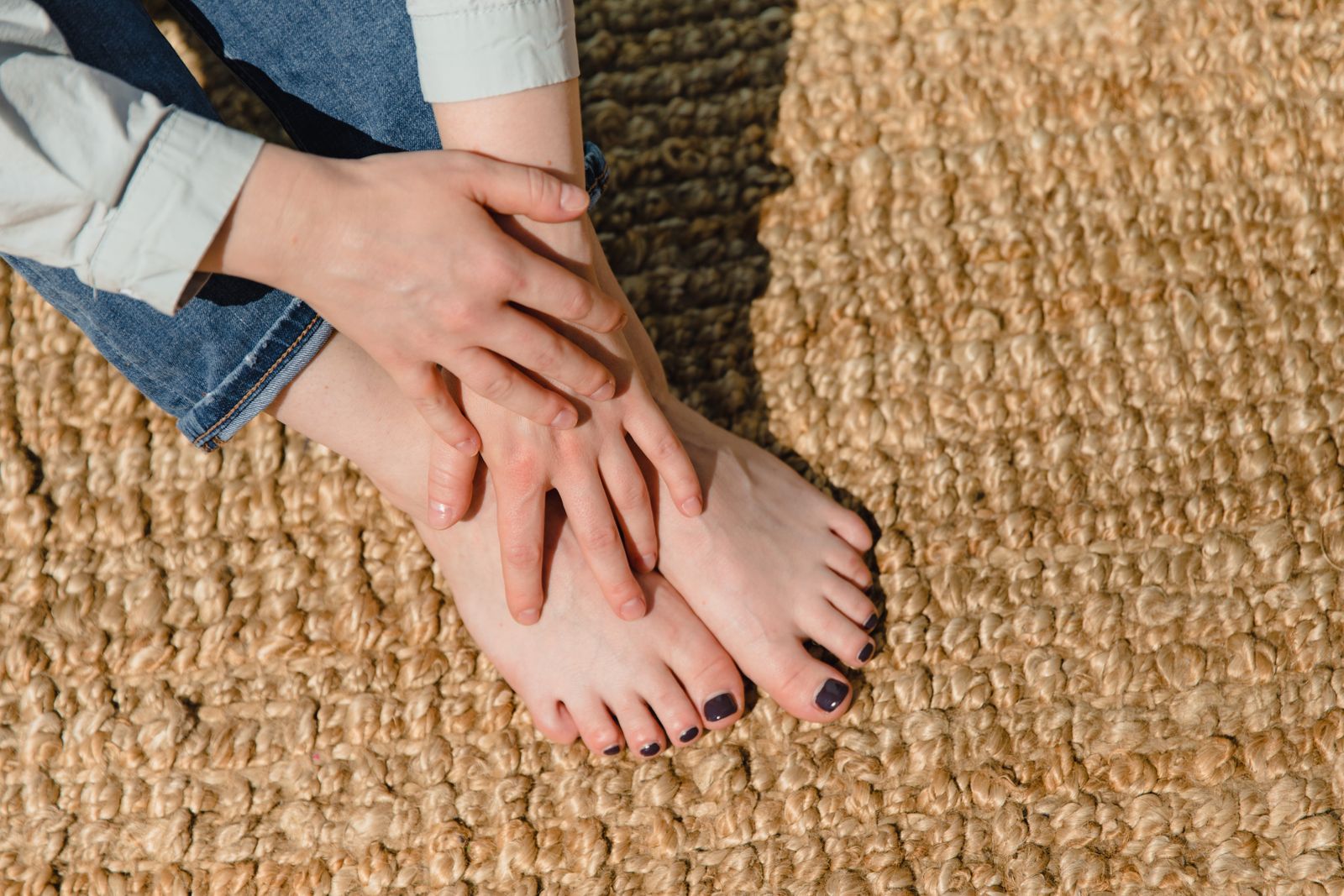
Canadian shipping • FSA and HSA eligible receipts • Fit guidance available • Supportive ankle and foot options
Posterior Tibial Tendonitis Ankle Stabilizer
Choosing support for the inside of the ankle
Posterior tibial tendon discomfort often shows up along the inner ankle and arch, especially with longer walks, standing shifts, or uneven ground. The best support route depends on whether you need firm ankle control, lighter compression for daily footwear, or heel positioning that may help reduce strain through the back and inside of the foot.
Use the scenario that sounds closest to your day, then compare support level and footwear space.
| If your main scenario is... | Choose this route | Medibrace option | Why it fits |
|---|---|---|---|
| Inner ankle fatigue during errands or work shifts | Structured ankle stabilization | SPORLASTIC MALLEO-CAST Ankle Brace | Rigid side support helps limit ankle wobble when walking or standing for longer periods. |
| Mild swelling with a need to fit regular shoes | Compression and proprioceptive support | SPORLASTIC MALLEO-HiT Ankle Bandage | A lower profile bandage can help the ankle feel more aware without a bulky shell. |
| Heel lift recommended to change tendon load | Adjustable heel elevation | BREG Adjustable Heel Lift | Layered height adjustment can fine tune heel position inside compatible footwear. |
| Heel impact sensitivity with daily walking | Cushioned heel support | SPORLASTIC CALCALASTIC LONG Heel Cushion | Long heel cushioning may help reduce sharp heel contact while keeping the shoe setup simple. |
| More ankle control after recurrent rolling or instability | Air supported ankle brace | Sporlastic Arthrofix Air | Adjustable air support can add a steadier bracing feel when compression alone is not enough. |
Recommended Medibrace options
SPORLASTIC MALLEO-CAST® Ankle Brace

- Role: Firm stabilizer
- Support type: Rigid ankle control
- Price: $150.00
- Best for: Walking days where inner ankle fatigue pairs with side-to-side wobble or a need for stronger guidance.
- Tradeoff: Bulkier than a sleeve, so footwear room and sock thickness matter.
SPORLASTIC MALLEO-HiT ® Ankle Bandage

- Role: Daily compression option
- Support type: Elastic ankle bandage with targeted pads
- Price: $155.00
- Best for: Mild swelling, regular shoe use, and comfort during shorter walks when rigid bracing feels excessive.
- Tradeoff: Less motion control than a rigid stabilizer for uneven ground.
BREG Adjustable Heel Lift

- Role: Heel position aid
- Support type: Adjustable in-shoe heel lift
- Price: $66.23
- Best for: Clinician-guided heel elevation when changing shoe angle may help reduce pulling through the ankle and arch.
- Tradeoff: Works best when shoe depth allows a stable, even fit.
Sporlastic Arthrofix Air

- Role: Adjustable brace
- Support type: Air assisted ankle stabilization
- Price: $159.95
- Best for: People who want a firmer brace feel with adjustable pressure for walks, chores, or variable swelling.
- Tradeoff: More structure to manage than a simple pull-on bandage.
Match the brace style to the amount of control, compression, and shoe space you need.
| Choice | Best context | Main advantage | When to choose differently |
|---|---|---|---|
| Rigid ankle stabilizer | Long walks, uneven sidewalks, or ankle wobble | Strongest side-to-side guidance | Choose compression if swelling control and shoe fit are the main concerns. |
| Compression bandage | Mild symptoms in regular footwear | Lower profile and easier daily wear | Choose a stabilizer if the ankle feels unstable or tiring quickly. |
| Heel lift | Clinician-guided heel angle changes | Adjustable setup inside many shoes | Choose bracing if motion control is more important than heel position. |
| Air supported brace | Variable swelling with a need for firmer support | Adjustable pressure and a secure feel | Choose a simpler brace if you want fewer fit adjustments. |
Fit, use, and safety guidance
- Measure around the ankle at the time of day swelling is most typical.
- Wear the sock style you plan to use when checking shoe space.
- Start with short wear periods and increase gradually if comfort stays consistent.
- Stop using a brace if numbness, tingling, skin pressure, or increased pain appears.
- Use clinician advice for arch collapse, new deformity, diabetes, circulation concerns, or severe swelling.
Health and safety note: This Medibrace guide is general product-selection information only. It does not diagnose, treat, cure, prevent, prescribe, or replace advice from a licensed clinician.
When to check with a clinician first
Check with a clinician before choosing an ankle stabilizer if pain is sudden, swelling is severe, the arch is visibly changing, walking is difficult, or symptoms follow an injury. Professional guidance is also important if you have diabetes, reduced sensation, circulation concerns, or have been told to use a walking boot or custom orthotic.
Related Medibrace routes
FAQ
What kind of ankle stabilizer is commonly used for posterior tibial tendonitis?
A firm ankle stabilizer is commonly used when the ankle needs side-to-side guidance, while a compression bandage may help comfort when swelling and shoe fit are the main concerns.
Can I wear an ankle stabilizer in regular shoes?
Many lower profile bandages fit regular shoes, but rigid stabilizers often need extra depth or a roomier shoe. Check the brace in the footwear you plan to use most.
Is a heel lift useful for posterior tibial tendon discomfort?
A heel lift may help with comfort when a clinician recommends changing heel position. It should sit evenly in the shoe and feel stable while walking.
When should I ask for professional advice before buying?
Ask for advice if pain is severe, the arch is changing, walking is difficult, swelling is significant, or you have diabetes, circulation concerns, or reduced sensation.