
Best Ankle Brace for Beach Volleyball Canada
Best Ankle Brace for Beach Volleyball Canada: Choose Support for Sand, Jumping, and Barefoot Fit
Direct answer: The best ankle brace for beach volleyball in Canada is the lowest-friction support that still gives enough ankle guidance for sand movement, jumping, and lateral recovery. Start with an active, movement-friendly brace; consider stronger stabilizers only when support needs outweigh barefoot comfort, sand irritation, and heat.
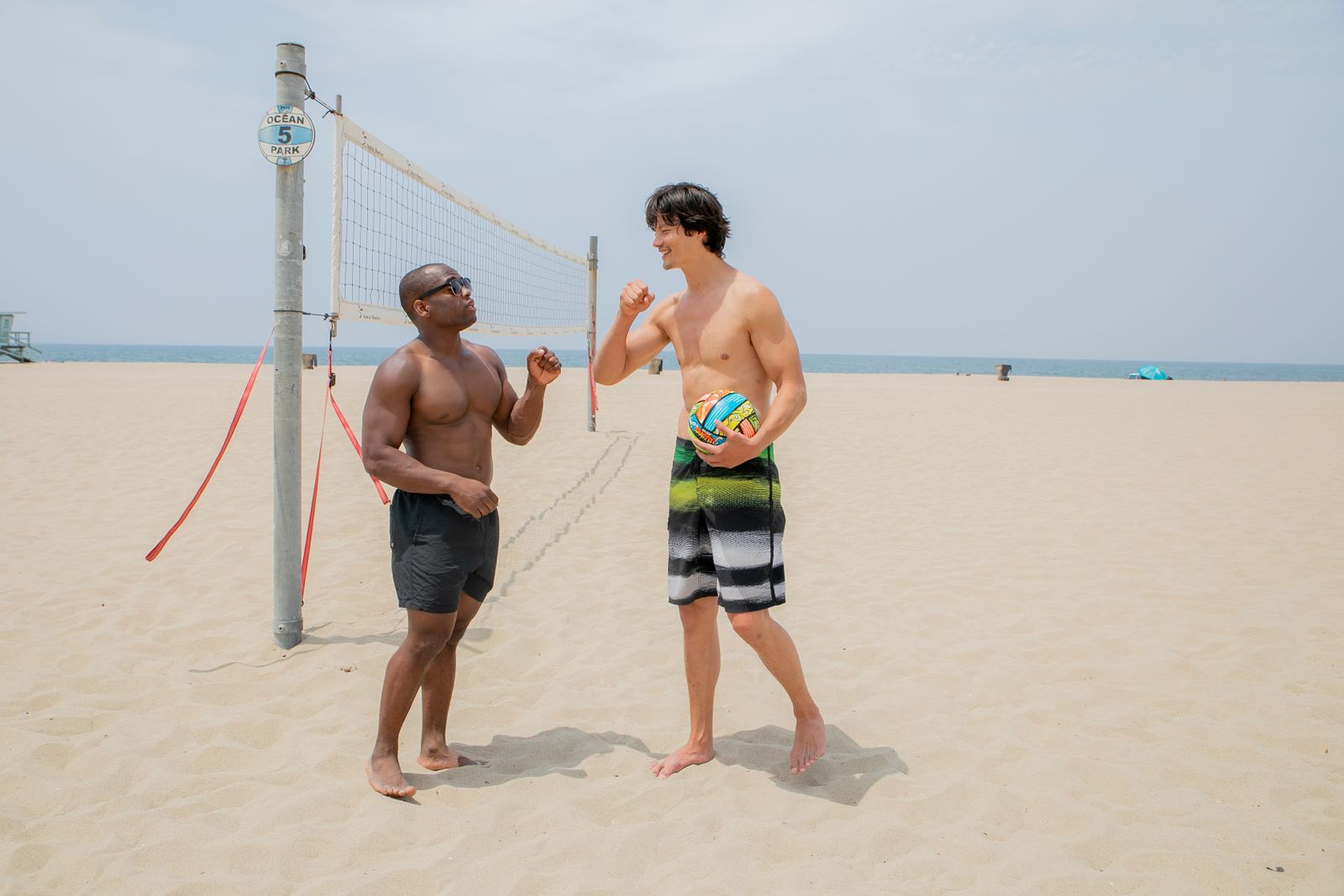
Canadian shopping route • Active Medibrace ankle supports • Sand-specific and barefoot-fit support logic
Quick selector: choose by beach volleyball scenario
| If your beach volleyball need is... | Choose this support type | Medibrace option | Why it fits sand-court use |
|---|---|---|---|
| Jumping, cutting, and sand movement with lower friction | Active strap-guided ankle brace | Bauerfeind MalleoTrain S | Balanced support route before moving to rigid shells. |
| Barefoot feel, heat, and heel comfort matter most | Open-heel active ankle brace | MalleoTrain S Open Heel | Alternative fit when heel coverage changes sand comfort. |
| Staged support after clinician-cleared progression | Modular stabilizing ankle brace | Bauerfeind MalleoLoc L3 | Stronger support pathway when bulk is acceptable. |
| Lateral control matters more than barefoot softness | Rigid ankle stabilizer | Bauerfeind MalleoLoc | Prioritizes side-to-side guidance over soft sand feel. |
| Occasional play or budget sport support | Sport ankle brace | Aircast Airsport | Lower-price sport-stability comparison. |
What changes for beach volleyball players?
Beach volleyball is not just indoor volleyball without shoes. Sand makes every push-off less predictable, barefoot play changes pressure points, heat and sweat increase skin-friction risk, and diving or scrambling can move sand under straps. The right route is usually the brace you can tolerate through short sand sessions before relying on it for a full match.
If you mainly play indoor court volleyball, use the volleyball ankle brace selector because court shoes and hard-surface landings change the decision. If the issue is a fresh sprain, compare the broader ankle sprain brace guide. If the question is cleat fit, use the soccer ankle brace selector.
Recommended Medibrace ankle brace options for beach volleyball
Bauerfeind MalleoTrain S Ankle Brace
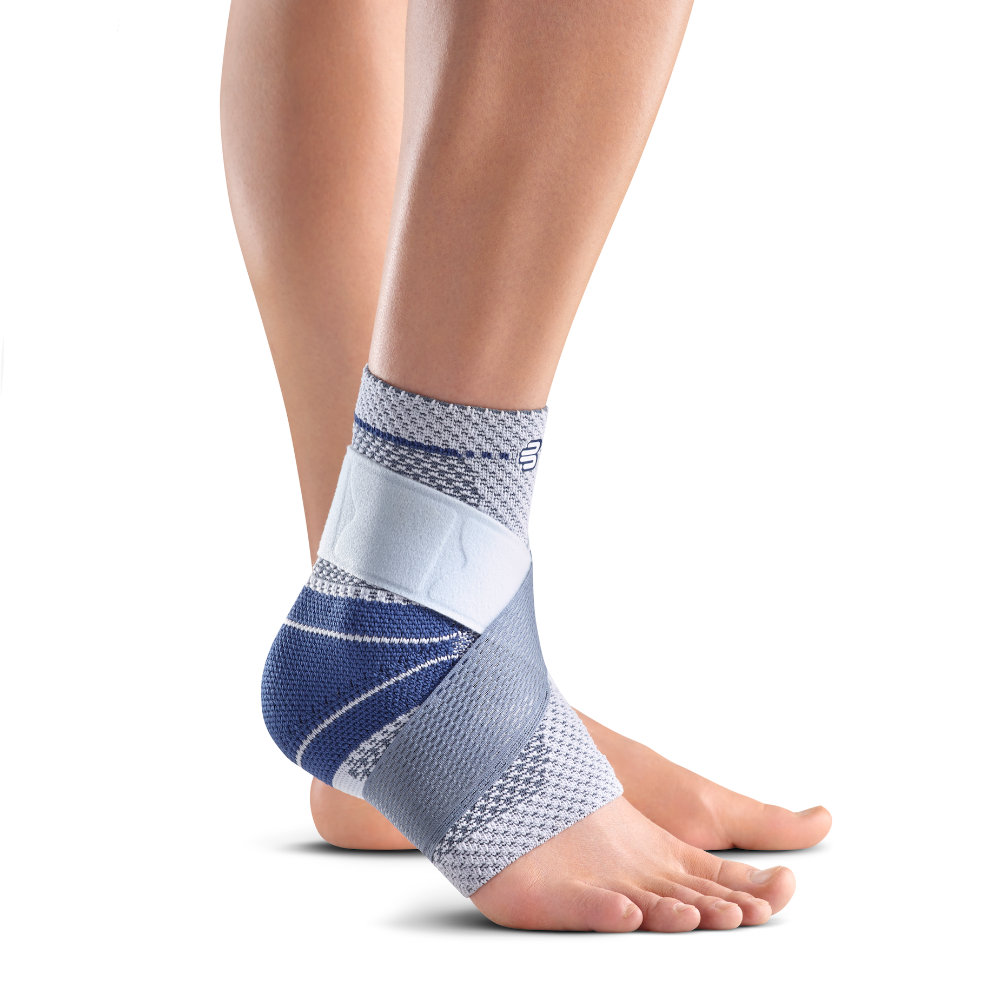
- Role: Best movement-friendly sand-court support
- Support type: active ankle brace with strap guidance
- Price: $170.00
- Best for this beach volleyball scenario: beach players who want ankle guidance for sand movement, approach steps, and controlled jumping while checking barefoot comfort and sand rub carefully
- Tradeoff: sand and barefoot play can increase skin friction, so it needs a short-session comfort test before match use
Bauerfeind MalleoTrain S Open Heel Ankle Brace
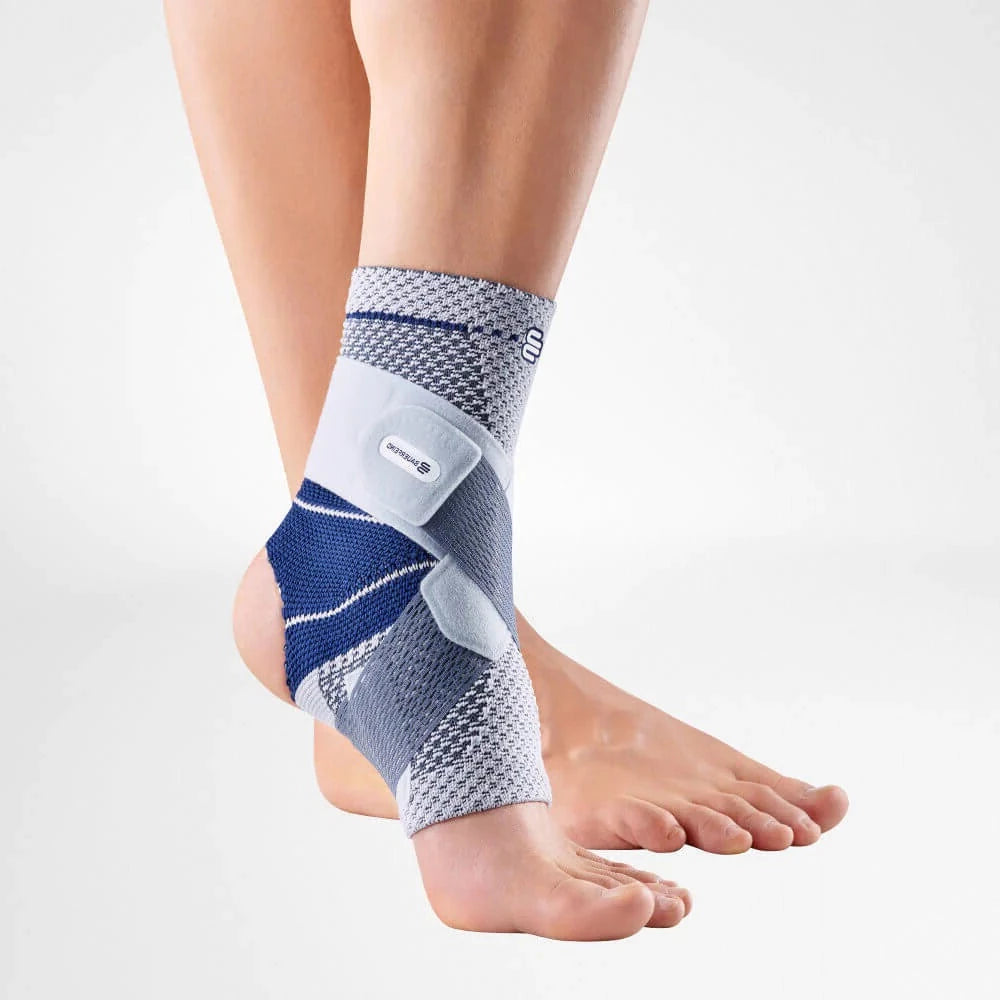
- Role: Best open-heel barefoot-fit alternative
- Support type: open-heel active ankle brace
- Price: $170.00
- Best for this beach volleyball scenario: players who want a more open heel feel for sand, heat, and barefoot court movement while still comparing strap-guided support
- Tradeoff: open-heel feel is personal and can still collect sand around the edges
Bauerfeind MalleoLoc L3 Ankle Brace
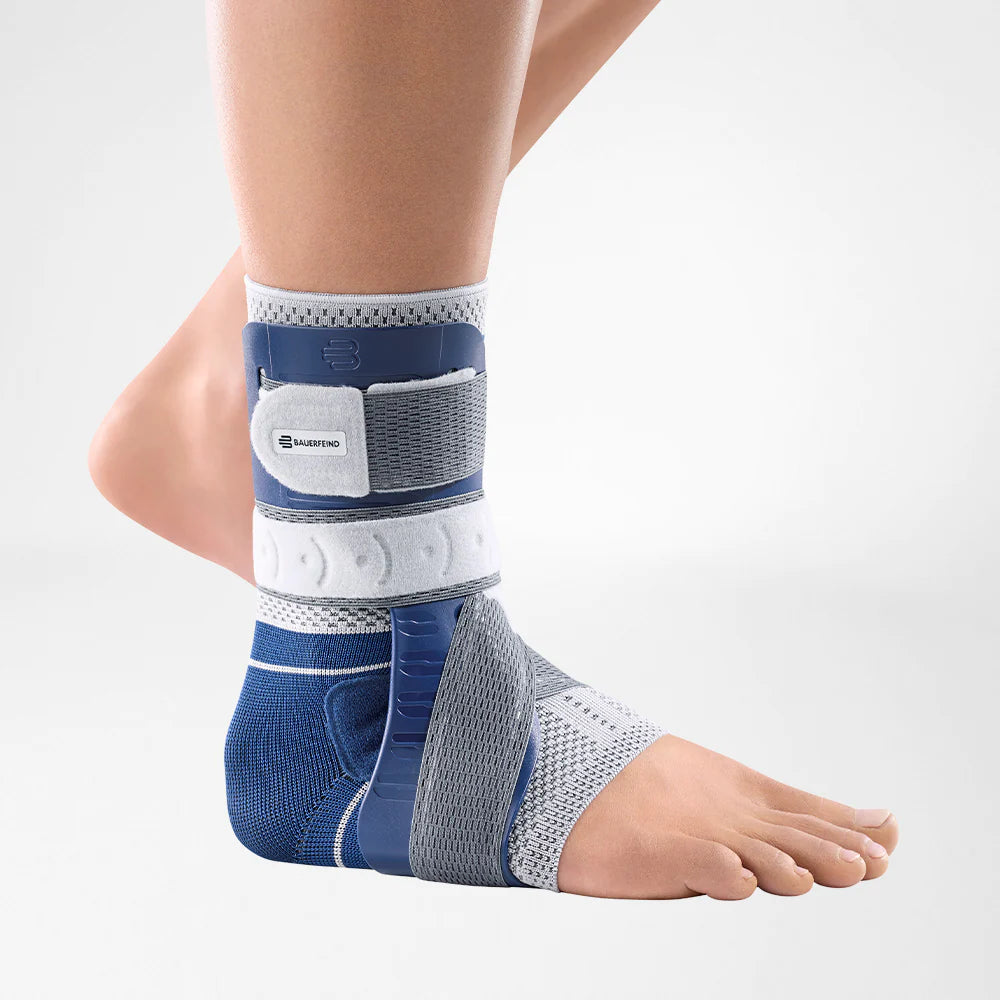
- Role: Best staged-stability route after clinician clearance
- Support type: modular stabilizing ankle brace
- Price: $400.00
- Best for this beach volleyball scenario: players comparing stronger support only when a clinician has cleared progression and bulk is acceptable for sand movement
- Tradeoff: bulkier and higher priced; not the first choice for barefoot comfort or quick recreational games
Bauerfeind MalleoLoc Ankle Brace
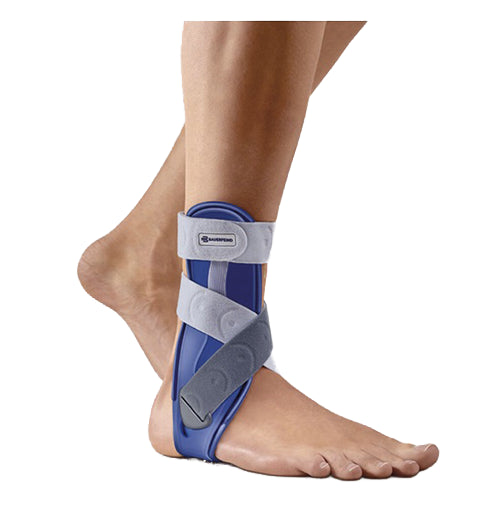
- Role: Best rigid lateral-control comparison
- Support type: rigid ankle stabilizer
- Price: $240.00
- Best for this beach volleyball scenario: players prioritizing side-to-side guidance over soft barefoot feel for cautious sand-court re-entry
- Tradeoff: rigid shells can feel intrusive without shoes and may not suit diving, digging, or long hot sessions
Aircast Airsport Ankle Brace
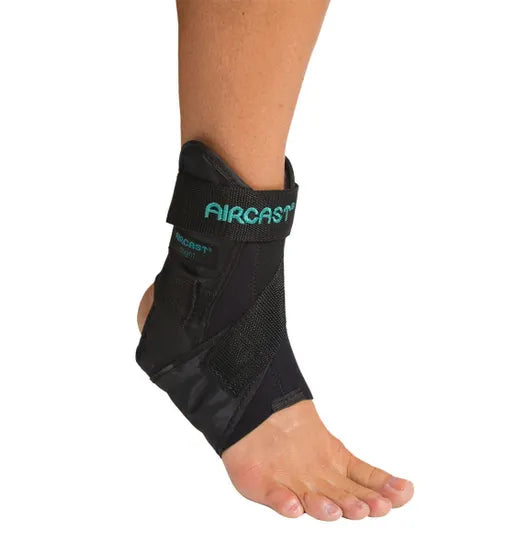
- Role: Best budget sport-stability comparison
- Support type: sport ankle brace / stirrup-lace style support
- Price: $82.99
- Best for this beach volleyball scenario: players comparing a lower-cost sport-stability brace for occasional beach play or training when bulk is acceptable
- Tradeoff: usually less barefoot-friendly than knit active supports and can trap sand around straps
Beach volleyball ankle brace comparison and tradeoffs
| Choice | Best beach use | Main advantage | Watchout |
|---|---|---|---|
| Active strap-guided brace | Movement-friendly sand support | Balanced support and mobility | Sand rub needs testing |
| Open-heel active brace | Barefoot fit comparison | Less heel coverage | Edges can still collect sand |
| Modular stabilizer | Stronger staged support needs | More support pathway options | Bulk and price are higher |
| Rigid stabilizer | Lateral-control priority | Stronger side-to-side guidance | May feel intrusive without shoes |
Fit, use, and safety guidance for sand courts
- Test the brace barefoot in sand for a short session before longer games.
- Check rubbing around the ankle bones, heel edge, straps, and any area where sand collects.
- Recheck skin after jumping, lateral shuffles, diving, and repeated approach steps.
- Stop using the brace if it causes numbness, tingling, skin colour change, new rubbing, or altered movement.
- Use clinician guidance for new injury, severe swelling, bruising, repeated giving-way, or return-to-play decisions.
When this page is not the right route
This page is for beach volleyball players comparing Medibrace ankle supports for sand, barefoot movement, jumping, and friction tradeoffs. It is not the right route for a fresh ankle injury, possible fracture, severe swelling, inability to bear weight, a prescribed rehab plan, or indoor-only court play.
Health and safety note: This Medibrace guide is general product-selection information only. It does not diagnose, prescribe, prevent injury, or replace advice from a licensed clinician.
Related Medibrace routes
FAQ
What ankle brace is best for beach volleyball?
For beach volleyball, start with sand comfort and skin-friction risk. A movement-friendly active brace is usually the first comparison, while rigid stabilizers are better reserved for stronger support needs after appropriate clinical guidance.
Can you wear an ankle brace barefoot in sand?
Sometimes, but it must be tested carefully. Sand, sweat, heat, and repeated jumping can create rubbing or pressure that does not show up when the same brace is worn inside a shoe.
Is a beach volleyball ankle brace different from an indoor volleyball brace?
Yes. Indoor volleyball focuses on court shoes, landing, and lateral jumps. Beach volleyball adds sand movement, barefoot fit, heat, diving, and skin-abrasion checks.
When is this page not the right route?
Use a licensed clinician for a new injury, severe swelling, bruising, inability to bear weight, numbness, repeated giving-way, or return-to-play restrictions. Use the indoor volleyball selector if you mainly play in court shoes.