
Best Ankle Brace for Dancers Canada
Best Ankle Brace for Dancers Canada: Choose by Shoe Fit, Floor Feel, and Stability
Direct answer: The best ankle brace for dancers is the lowest-bulk support that still gives the stability you need without ruining floor feel, shoe fit, turnout, relevé, or pointed-foot comfort. Start with film-style or open-heel support for dance-specific movement, and reserve lace-up or semi-rigid braces for practice, off-stage, or stronger-control needs.
Canadian shopping route • Active Medibrace ankle supports • Dance-specific selector guidance
Quick selector: choose by dance scenario
| If this is your dance scenario | Choose this support type | Medibrace option | Why it fits dance |
|---|---|---|---|
| You need the least bulk for barre, rehearsal, or shoe-sensitive work | Film-style ankle support | ZAMST Filmista Ankle | Preserves more floor feel and pointed-foot comfort than lace-up or semi-rigid braces. |
| Heel contact and ankle awareness matter | Open-heel knit brace with strap guidance | Bauerfeind MalleoTrain S Open Heel | Open heel helps when dance context makes heel feel and proprioception important. |
| You want adjustable support for practice, travel to class, or off-stage work | Lace-up ankle brace | ZAMST A1 Black | More structure than a thin support, but still adjustable when footwear has room. |
| You want compression feel plus guided support outside tight shoes | Knit brace with strap guidance | Bauerfeind MalleoTrain S | Useful when comfort and ankle awareness matter more than maximum stiffness. |
| Side-to-side control is the priority after guidance | Semi-rigid sport ankle brace | ZAMST A2-DX Black | A stronger-control route for cautious activity, not a typical performance-shoe choice. |
What changes for dancers?
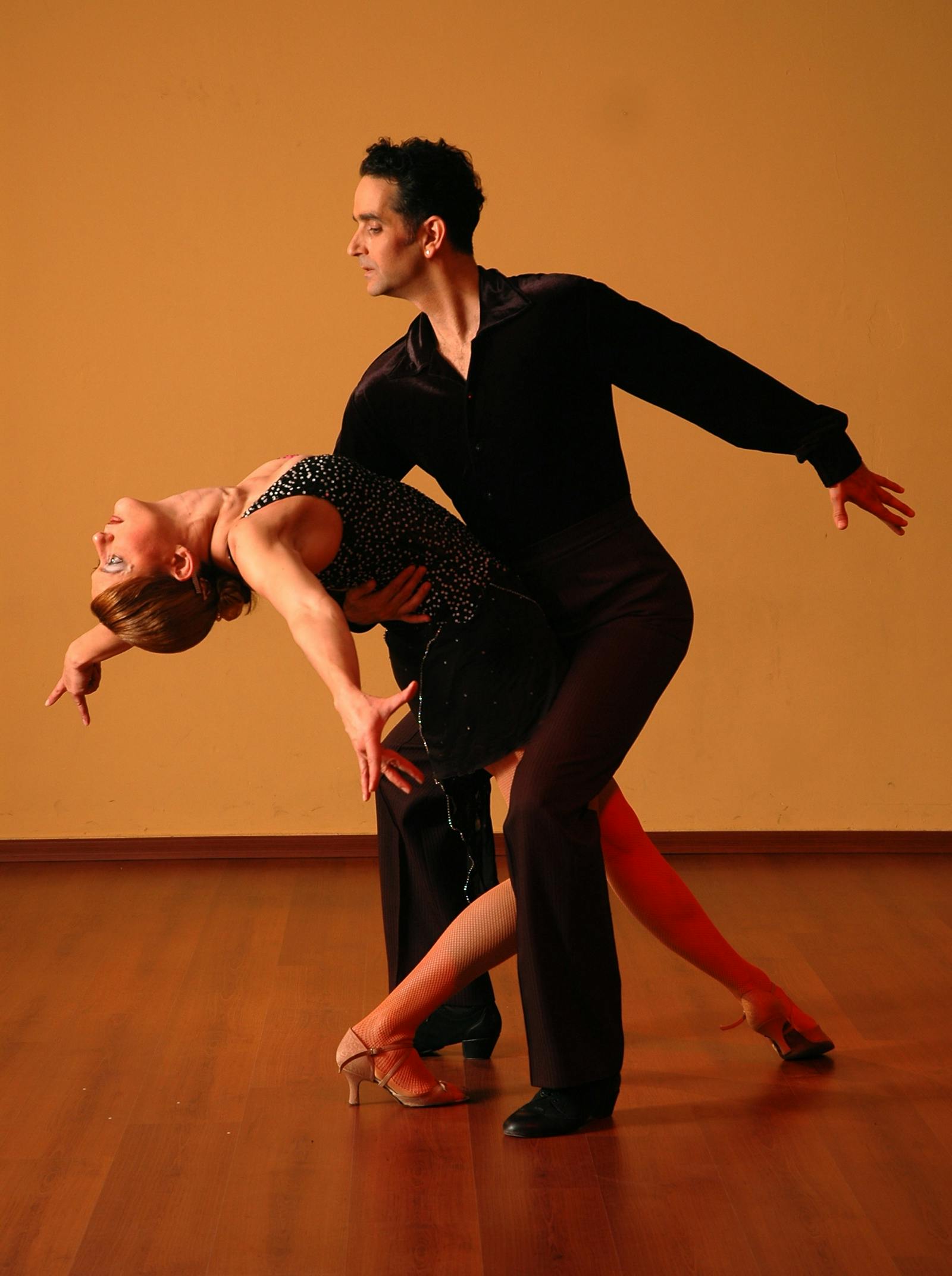
Dance is not the same as running, volleyball, or broad ankle-brace shopping. A dancer has to manage floor feel, shoe profile, turnout, relevé, jumps, landing confidence, and whether the brace interferes with a pointed foot. That makes thin, open-heel, and lower-profile options more relevant than simply choosing the strongest ankle brace available.
If the main issue is a new sprain, use Best Ankle Brace for Sprain Canada or get assessed before returning to class. If you want a broad shopping overview, use Best Ankle Brace Canada. If the decision is specifically lace-up support, use Best Lace-Up Ankle Brace Canada. Runners and court-sport athletes should use Best Ankle Brace for Running Canada or Best Ankle Brace for Volleyball Canada instead.
Recommended Medibrace ankle braces for dancers
ZAMST Filmista Ankle

- Role: Best lowest-bulk dance option
- Support type: thin film-style ankle support
- Price: $65.99
- Best for this dance scenario: dancers who need light support while preserving floor feel, pointed-foot comfort, and shoe compatibility
- Tradeoff: lighter support than a lace-up, strap, or semi-rigid brace
Bauerfeind MalleoTrain S Open Heel Ankle Brace

- Role: Best open-heel proprioceptive route
- Support type: open-heel knit ankle brace with strap guidance
- Price: $170.00
- Best for this dance scenario: dance, barre, studio, or barefoot-adjacent practice where heel contact and ankle awareness matter
- Tradeoff: premium price and not the strongest route for repeated rolling
ZAMST A1 Black

- Role: Best lace-up route for controlled practice
- Support type: lace-up ankle brace
- Price: $87.99
- Best for this dance scenario: dancers who want adjustable support for practice blocks, travel to class, or off-stage work when shoe room allows
- Tradeoff: bulkier than film support and may not fit tight dance shoes
Bauerfeind MalleoTrain S Ankle Brace

- Role: Best comfort-plus-guidance brace
- Support type: knit ankle brace with strap guidance
- Price: $170.00
- Best for this dance scenario: dancers who want compression feel, ankle awareness, and guided support outside the tightest footwear
- Tradeoff: closed-heel design may be less ideal when heel contact or shoe shape is critical
ZAMST A2-DX Black

- Role: Best higher-stability route after appropriate guidance
- Support type: semi-rigid sport ankle brace
- Price: $103.99
- Best for this dance scenario: dancers prioritizing stronger side-to-side control for off-stage conditioning or cautious return phases
- Tradeoff: too bulky and restrictive for many dance shoes and performance settings
Film support vs open-heel brace vs lace-up vs semi-rigid for dance
| Support route | Best dance use | Main advantage | Main limitation |
|---|---|---|---|
| Film-style ankle support | Low-bulk rehearsal or shoe-sensitive support | Preserves more floor feel and ankle articulation | Lightest support in this comparison |
| Open-heel knit brace | Studio work where heel contact and ankle awareness matter | Combines compression feel with strap guidance | Still bulkier than film-style support |
| Lace-up brace | Practice shoes, off-stage support, conditioning, travel to class | Adjustable and more structured | Often too bulky for tight dance footwear |
| Knit strap brace | Comfort plus guided support outside the tightest shoes | Good wearability and compression feel | Closed heel may not fit every dance context |
| Semi-rigid sport brace | Higher-control activity after appropriate guidance | More side-to-side control | Most likely to restrict dance mechanics and footwear |
Fit, use, and safety guidance for dancers
- Test the brace with the exact shoe, sock, floor, and class style you plan to use.
- Check whether the brace changes balance, turnout, plié, relevé, pointe/pointed-foot comfort, or landing mechanics.
- Use the lowest-bulk brace that meets the support need; more stiffness is not automatically better for dance.
- Do not tighten straps to force stability. Remove the brace if you notice numbness, tingling, colour change, skin pressure, or altered landing control.
- For return to jumps, pointe work, competition, or performance after injury, use clinician or dance-medicine guidance rather than relying on product selection alone.
Health and safety note: This Medibrace guide is general product-selection information only. It does not diagnose, treat, cure, prevent, or replace advice from a licensed clinician.
When this page is not the right route
This page is not the right route for severe pain, inability to bear weight, major swelling, deformity, numbness, colour change, suspected fracture, post-surgical instructions, or a return-to-performance decision after a significant injury. It is also not the best route if you need running, volleyball, basketball, or general sport support rather than dance-specific shoe fit and floor-feel guidance.
Related Medibrace routes
FAQ
What ankle brace is best for dancers?
For dancers, start with the lowest-bulk support that still feels secure because floor feel, shoe fit, relevé, and pointed-foot comfort matter. Film-style or open-heel supports often fit dance better than bulky semi-rigid braces.
Can I wear a lace-up ankle brace in dance shoes?
Sometimes, but many dance shoes are too tight for lace-up braces. Lace-up support is usually better for practice shoes, travel to class, conditioning, or off-stage support where footwear has room.
Is a semi-rigid ankle brace good for dance?
A semi-rigid brace can add side-to-side control, but it is often too bulky or restrictive for performance and tight dance footwear. Use it only when stability is the priority and the activity has been appropriately cleared.
When is this not the right page?
This page is not the right route for a fresh severe injury, inability to bear weight, major swelling, suspected fracture, post-surgical instructions, or a return-to-performance decision that needs clinician guidance. It is also not the best route for running, volleyball, or general ankle-brace shopping.