
Best Ankle Brace for Hockey Canada
Best Ankle Brace for Hockey Canada: Choose Support for Skates, Edges, and Return-to-Play Confidence
Direct answer: The best ankle brace for hockey players in Canada is the lowest-bulk option that still gives enough lateral guidance for cutting, sprinting, and ice re-entry while fitting inside your exact skates. Start with active strap-guided support; move to more rigid stabilizers only when side-to-side control matters more than skate-feel and boot volume.
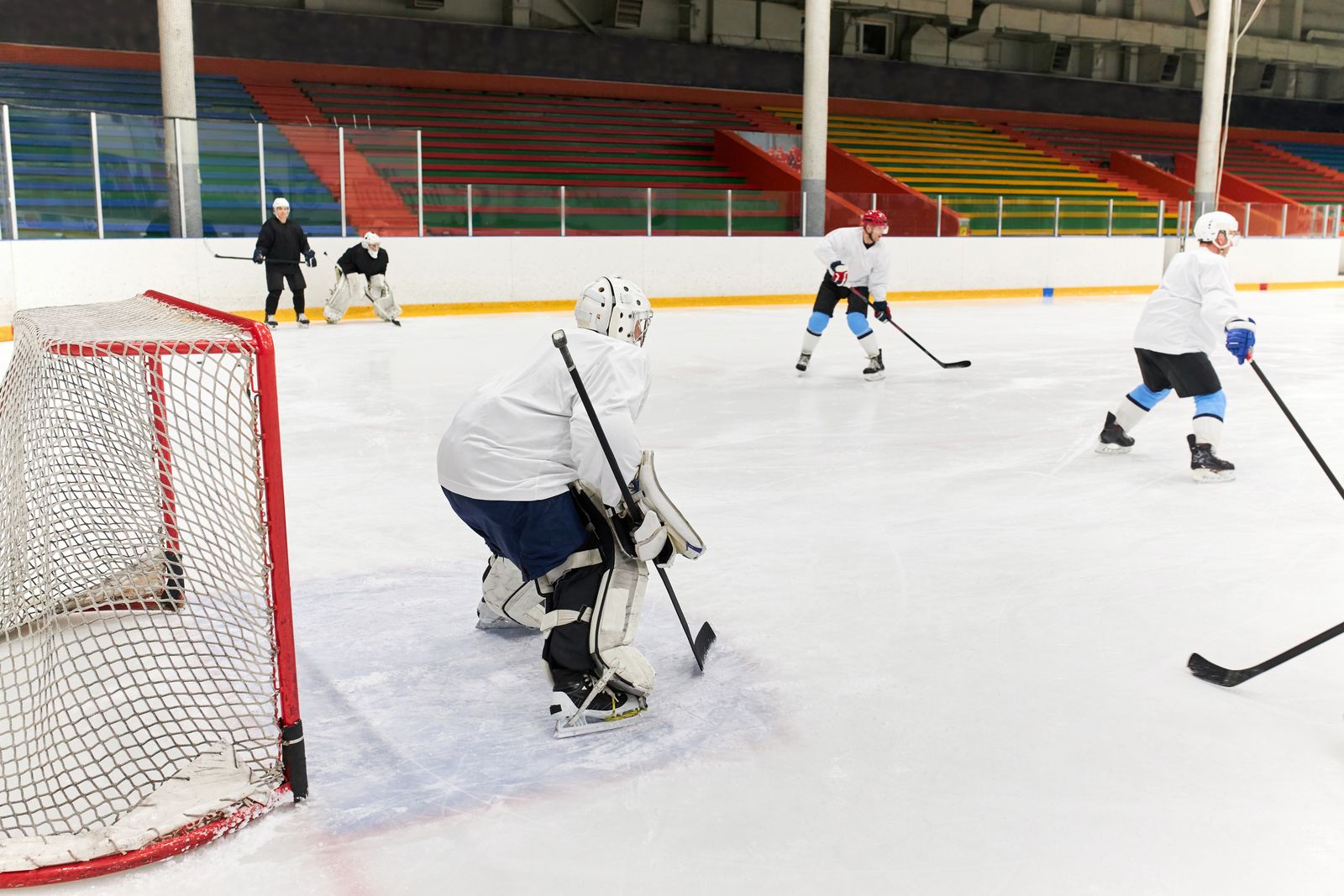
Canadian shopping route • Active Medibrace ankle supports • Skate-fit and hockey-specific support logic
Quick selector: choose by hockey scenario
| If your hockey need is... | Choose this support type | Medibrace option | Why it fits hockey use |
|---|---|---|---|
| Cutting, sprinting, and a more skate-friendly feel | Active strap-guided ankle brace | Bauerfeind MalleoTrain S | Movement-friendly guidance without routing straight to a rigid shell. |
| Staged return-to-ice planning with stronger support | Modular stabilizing ankle brace | Bauerfeind MalleoLoc L3 | Stronger staged route when bulk is acceptable and guidance is clinician-aligned. |
| Side-to-side control is the main priority | Rigid ankle stabilizer | Bauerfeind MalleoLoc | Prioritizes lateral guidance over compression-sleeve comfort. |
| Budget-conscious practice or rec-league support | Sport ankle brace | Aircast Airsport | Practical sport-stability route with a lower price point. |
| Open-heel feel for skate and sock layering | Open-heel active ankle brace | MalleoTrain S Open Heel | Alternative when heel coverage, heat, or sock feel changes comfort. |
What changes for hockey players?
Hockey ankle-brace selection is different from general walking, volleyball, or everyday support. The brace has to work inside narrow skates, under hockey socks, around shin-pad sleeves, and during accelerating, stopping, crossover turns, board play, and quick edge changes. A bulky brace can feel stable in a shoe but change skate feel or create pressure once the skate is tied.
If you mainly play volleyball, use the volleyball ankle brace selector because jump landings and court shoes change the decision. If the issue is a recent sprain rather than hockey fit, compare the broader ankle sprain brace guide. If you only need all-day support in regular shoes, everyday ankle brace guidance is the better route.
Recommended Medibrace ankle brace options for hockey players
Bauerfeind MalleoTrain S Ankle Brace
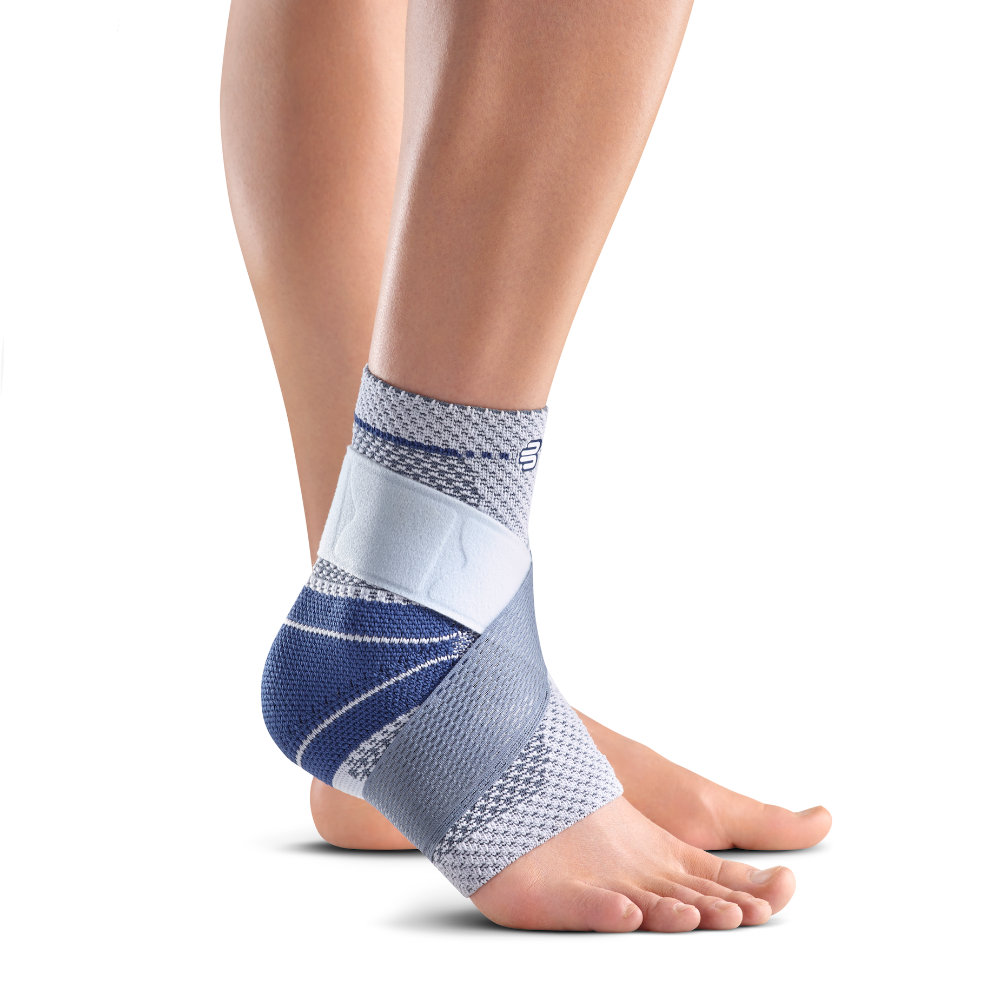
- Role: Best movement-friendly hockey ankle brace
- Support type: active ankle brace with strap guidance
- Price: $170.00
- Best for this hockey scenario: hockey players who want lateral guidance for edge work, stops, turns, and controlled return-to-ice sessions while keeping a more sock-like feel inside skates
- Tradeoff: more structured than a plain sleeve, so skate volume and sock layering still need a fit check
Bauerfeind MalleoLoc L3 Ankle Brace
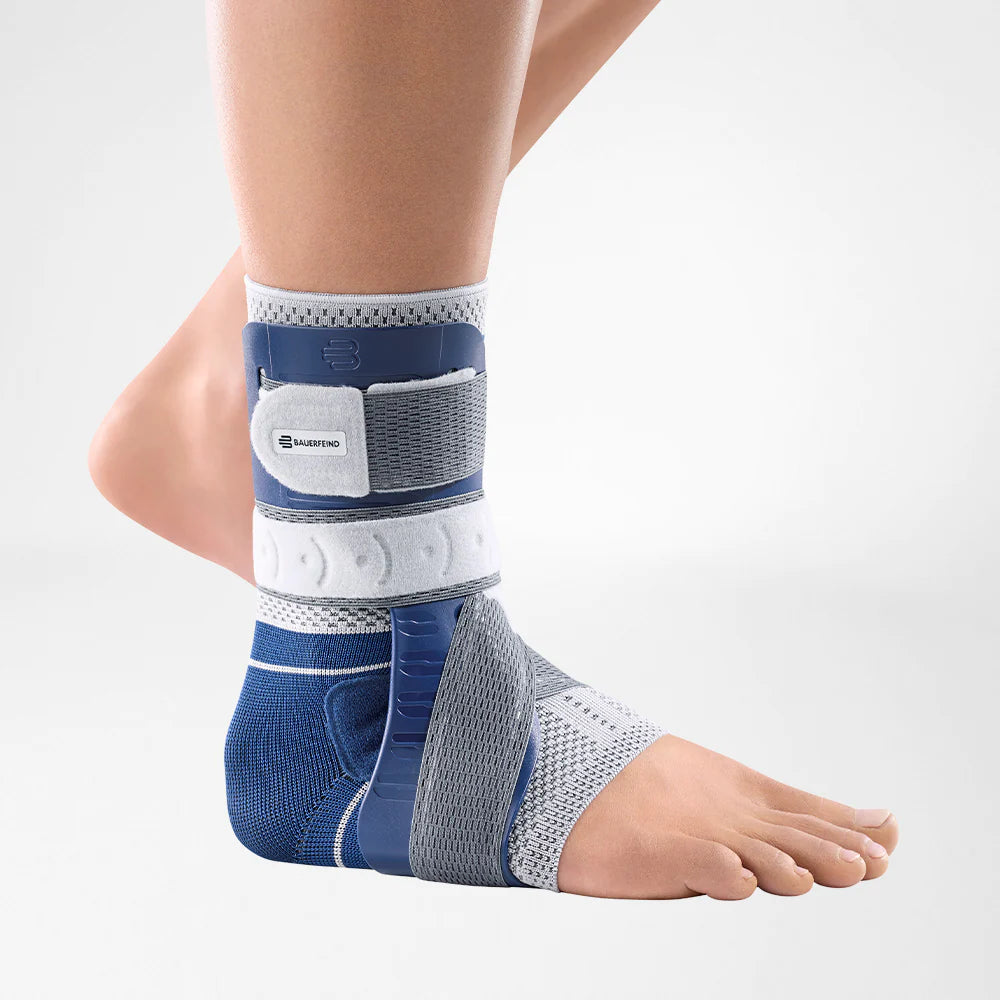
- Role: Best multi-stage stability route
- Support type: modular stabilizing ankle brace
- Price: $400.00
- Best for this hockey scenario: players comparing stronger staged support after an ankle issue when a clinician has cleared sport progression and brace bulk is acceptable
- Tradeoff: higher bulk and price; not the first choice if the main concern is a slim game-day fit in tight skates
Bauerfeind MalleoLoc Ankle Brace
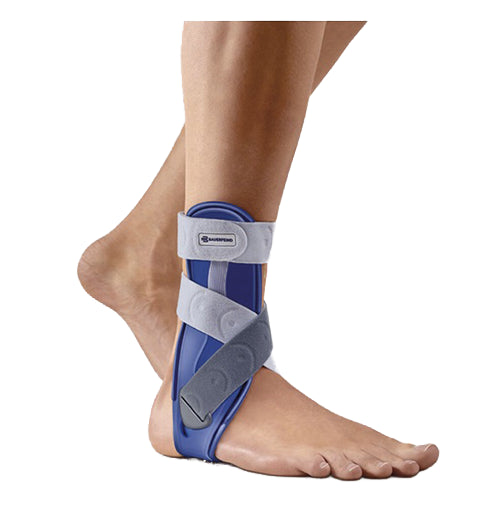
- Role: Best rigid lateral-control comparison
- Support type: rigid ankle stabilizer
- Price: $240.00
- Best for this hockey scenario: hockey players prioritizing side-to-side guidance over compression feel for training drills, cutting, and cautious ice re-entry
- Tradeoff: rigid shells can conflict with narrow skates, so test footwear fit before relying on it for a game
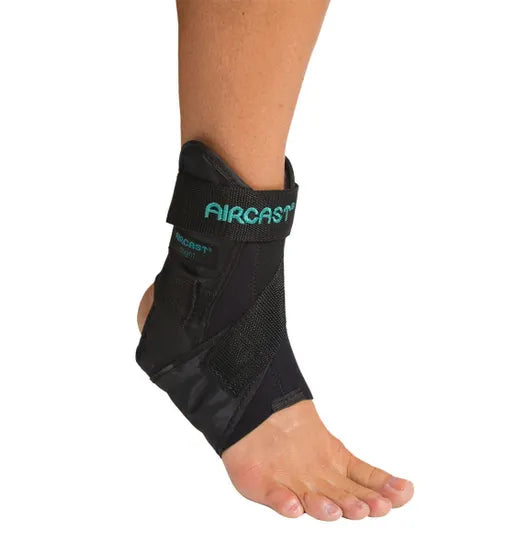
Aircast Airsport Ankle Brace
- Role: Best value sport-stability option
- Support type: sport ankle brace / stirrup-lace style support
- Price: $82.99
- Best for this hockey scenario: players who want a practical sport brace for practices, rec hockey, or a more budget-conscious lateral-support route
- Tradeoff: less premium knit comfort than Bauerfeind options and may feel bulkier under narrow hockey socks
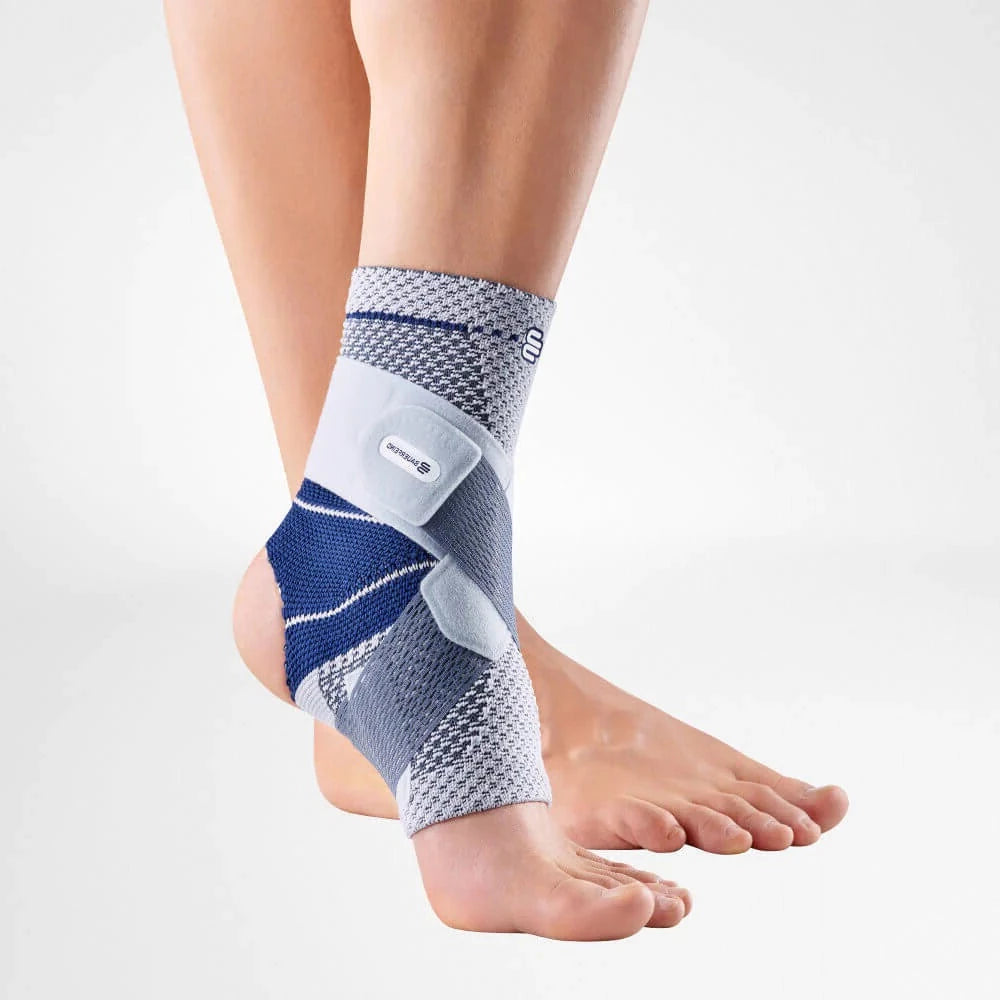
Bauerfeind MalleoTrain S Open Heel Ankle Brace
- Role: Best open-heel fit alternative
- Support type: open-heel active ankle brace
- Price: $170.00
- Best for this hockey scenario: players who like MalleoTrain S-style guidance but want an open-heel feel for boot fit, sock layering, or heat management
- Tradeoff: open-heel feel is personal; test comfort in your exact skates before ice use
Hockey ankle brace comparison and tradeoffs
| Choice | Best hockey use | Main advantage | Watchout |
|---|---|---|---|
| Active strap-guided brace | Skate-friendly movement plus guidance | Balanced support and mobility | Still needs boot-volume testing |
| Modular stabilizer | Staged return-to-ice planning | More support pathway options | Bulk and price are higher |
| Rigid stabilizer | Side-to-side control priority | Stronger lateral guidance | May conflict with tight skates |
| Sport brace | Practice, rec league, budget route | Accessible stability option | Can feel thicker under socks |
Fit, use, and safety guidance for hockey
- Test the brace in your actual skates, hockey socks, shin-guard sleeve, and any tape you normally use.
- Check pressure at the ankle bones, heel lock, lace area, and tongue before longer ice sessions.
- Start with walking, jogging, skating, and light cuts before full-speed play.
- Do not use a brace as permission to play through sharp pain, swelling, numbness, or repeated giving-way.
- Use clinician guidance for new injuries, return-to-play decisions, severe swelling, bruising, instability, or post-procedure instructions.
When this page is not the right route
This page is for hockey players comparing ankle-brace support, skate fit, and ice-movement tradeoffs. It is not the right route for a fresh ankle injury, possible fracture, severe swelling, inability to bear weight, post-surgical protocols, or a prescribed rehabilitation plan. It is also not a hockey-skate buying guide.
Health and safety note: This Medibrace guide is general product-selection information only. It does not diagnose or replace advice from a licensed clinician.
Related Medibrace routes
FAQ
What ankle brace is best for hockey players?
For hockey players, start with skate fit and lateral-control needs. Many players compare an active strap-guided brace first, then move toward a rigid stabilizer only when stronger side-to-side guidance matters more than low bulk.
Can you wear an ankle brace in hockey skates?
Often yes, but the brace must be tested in the exact skates and socks you use. Narrow boots, high arches, thick socks, and shin-guard sleeves can all change pressure around the ankle.
Is a hockey ankle brace the same as a volleyball ankle brace?
No. Hockey puts more emphasis on skate volume, skate feel, edge transitions, stops, and contact comfort. Volleyball pages focus more on jumping, landing, court shoes, and repeated blocking or approach steps.
When should a hockey player not self-select an ankle brace?
Do not self-select for a new injury, severe swelling, bruising, inability to bear weight, numbness, deformity, repeated giving-way, or return-to-play restrictions. Use a licensed clinician for those cases.