
Best Back Brace for Gardening Canada
Best Back Brace for Gardening Canada: Choose Support for Bending, Weeding, Lifting Pots, and Yard Work
Direct answer: The best back brace for gardening in Canada is the support that matches the garden task: adjustable lumbar support for mixed bending and lifting, active compression for longer yard sessions, slim lumbar support for light planting, and elastic work support for short pot-lifting windows. Gardening changes the decision because kneeling, twisting, reaching, soil bags, and uneven ground all affect fit.
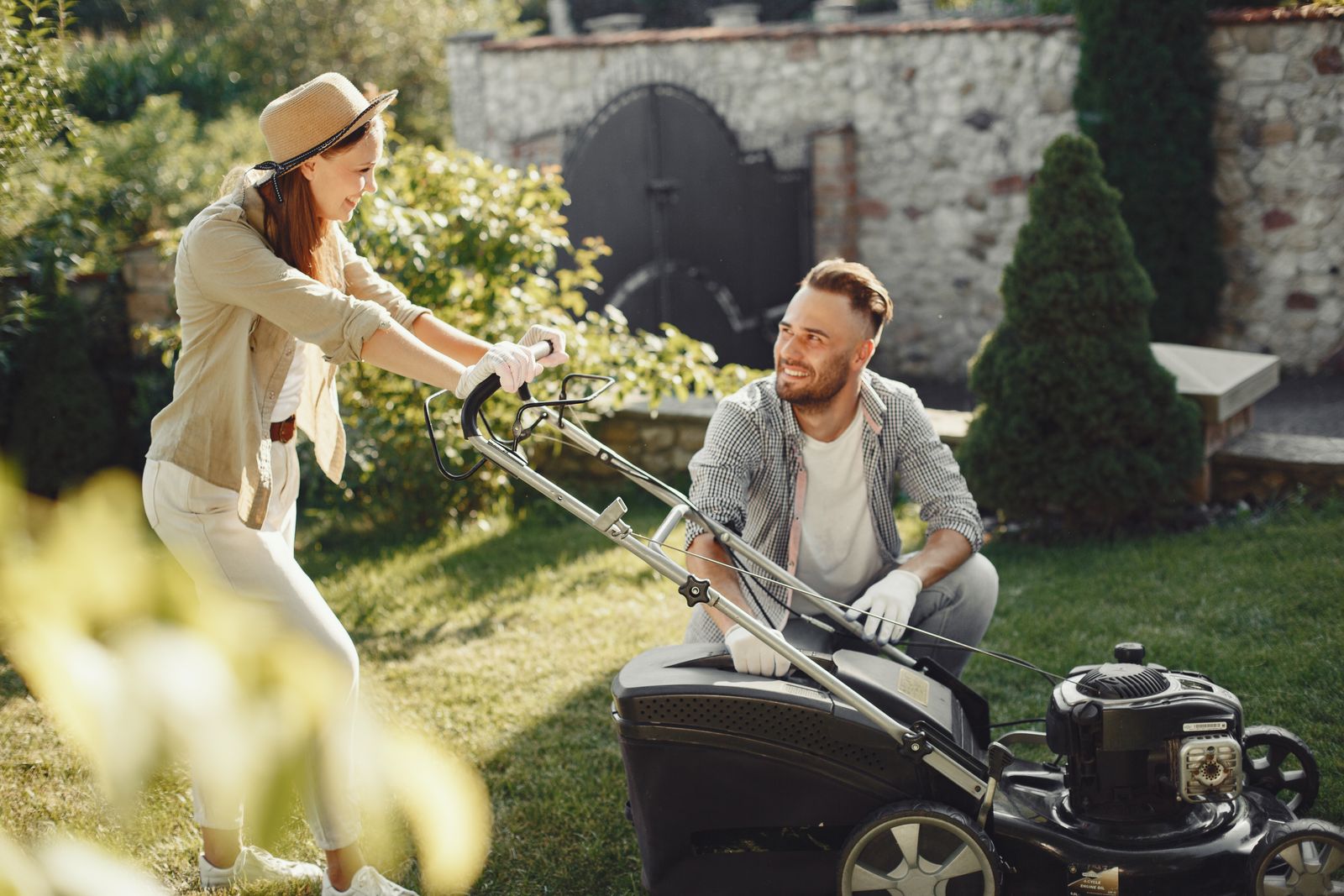
Canadian shopping route • Active Medibrace back support options • Gardening-specific bending, lifting, pacing, and not-right-route guidance
Quick selector: match the gardening scenario
| If your gardening task is mostly... | Choose this support type | Medibrace option | Why it fits this scenario |
|---|---|---|---|
| Mixed weeding, pruning, carrying supplies, and breaks | Adjustable pulley lumbar support | MKO Pulley Back Brace | Lets you change tension as the task shifts from bending to walking or carrying. |
| Longer watering, mowing, cleanup, and light yard work | Active lumbar compression support | Bauerfeind LumboTrain Back Brace | Better when wearability and movement comfort matter more than maximum rigidity. |
| Light planting, potting bench work, and short garden sessions | Slim lumbar brace | Bauerfeind LordoLoc Back Brace | Keeps support low profile for lighter tasks where bulk would get in the way. |
| Lifting planters, mulch, soil bags, or garden supplies | Elastic work back support | MedSpec Back-n-Black Back Support | A practical route for short higher-demand windows, paired with load limits and safe lifting. |
What changes when the brace is for gardening?
Gardening is not the same as desk posture or gym lifting. The brace has to work through kneeling, bending toward beds, twisting to reach tools, pushing a mower, carrying wet soil, and standing back up repeatedly. That makes adjustability, breathability, and movement comfort especially important. A brace can support the task window, but pacing, raised work surfaces, long-handled tools, and smaller loads often matter just as much.
If your main task is occupational lifting, use Lower Back Brace for Lifting Canada. If you need a work-shift selector, use Best Back Brace for Work Canada. If you want a broader lower-back shopping route, use Best Lower Back Brace Canada. For product browsing, start with Back & Neck Braces or Lumbar (Lower) Back.
Recommended Medibrace back braces for gardening
MKO Pulley Back Brace

- Role: Best adjustable gardening support
- Support type: Pulley-style lumbar support
- Price: $82.07
- Best gardening context: you move between weeding, pruning, carrying soil bags, and rest breaks and want easy tension changes
- Tradeoff: more structured than a minimal wrap, so check comfort while kneeling or sitting on a garden stool
Bauerfeind LumboTrain Back Brace

- Role: Best active support for longer garden sessions
- Support type: Compression-and-pad lumbar support
- Price: $390.00
- Best gardening context: you want wearable lower-back support while walking, reaching, watering, and doing lighter yard work
- Tradeoff: premium fit should be sized carefully and it is not a replacement for pacing, tool choice, or load limits
Bauerfeind LordoLoc Back Brace

- Role: Best slim support for light gardening and cleanup
- Support type: Low-profile lumbar brace
- Price: $260.00
- Best gardening context: light planting, potting-bench work, cleanup, and short outdoor tasks matter more than heavy lifting
- Tradeoff: not the best route for repeated heavy bags, large pots, or a prescribed rigid brace
MedSpec Back-n-Black Back Support

- Role: Best value support for pot lifting and yard chores
- Support type: Elastic work back support
- Price: $108.21
- Best gardening context: you want a practical brace for short higher-demand windows such as moving planters, mulch, or garden supplies
- Tradeoff: less shaped than premium lumbar options and should be paired with safe lifting and task breaks
Compare gardening-support tradeoffs
| Garden scenario | Support priority | Good route | Watchout |
|---|---|---|---|
| Weeding and planting | Bending comfort and easy adjustment | Adjustable pulley or active lumbar support | Take breaks before fatigue changes posture. |
| Mowing and watering | Wearability while walking | Active lumbar compression | Heat and sweating can change comfort during longer sessions. |
| Moving pots, soil, or mulch | Short higher-demand support window | Elastic work support or pulley support | A brace does not replace smaller loads, carts, or safe lifting. |
| Recent injury or symptoms into the leg | Assessment first | Clinician guidance | This page is not the right route for self-selecting a medical plan. |
Fit, use, and safety guidance for garden work
- Fit the brace snugly around the lower back and abdomen so it feels supportive, not restrictive.
- Test bending, kneeling, standing up, and walking before relying on a brace for a full gardening session.
- Use raised beds, kneeling pads, carts, smaller loads, and long-handled tools to reduce repeated strain.
- Reassess brace tension during breaks; a gardening brace may need a different feel for bending than for walking or carrying.
- This Medibrace guide is general product-selection information only. It does not diagnose, prescribe, prevent injury, or replace advice from a licensed clinician.
When this page is not the right route
This page is not the right route if you have severe or changing pain, numbness, weakness, pain travelling into the leg, a recent injury, post-surgical instructions, or a prescribed brace requirement. It is also not the best route if your main comparison is heavy occupational lifting, sport performance, abdominal support, or a specific lower-back condition. Use the related page or category that matches the scenario, and ask a qualified clinician when symptoms or garden tasks are unclear.
Related Medibrace routes
FAQ
What is the best back brace for gardening in Canada?
For gardening, choose by task: adjustable pulley support for mixed bending and lifting, active lumbar compression for longer yard sessions, slim lumbar support for light planting, and elastic work support for short pot-lifting or mulch-moving windows.
Should I use a back brace for weeding and bending?
A brace may help you feel supported during bending-heavy tasks, but the bigger decision is pacing. Use raised beds, kneeling pads, long-handled tools, breaks, and task rotation. Stop if symptoms change or travel into the leg.
Is a gardening back brace the same as a lifting back brace?
Not exactly. Gardening involves kneeling, twisting, reaching, wet ground, uneven surfaces, and repeated short bends. A lifting page is better if your main task is heavy bags, repeated loading, or warehouse-style lifting.
When is this page not the right route?
This is not the right route for severe or changing pain, numbness, weakness, pain travelling into the leg, recent injury, post-surgical instructions, or a prescribed brace requirement. Use clinician guidance first in those cases.