
Best Back Brace for Weightlifting Canada
Best Back Brace for Weightlifting Canada: Choose Lumbar Support for Gym Sets and Loaded Training
Direct answer: The best back brace for weightlifting in Canada is usually an adjustable lumbar support that can be tightened for lifts and relaxed between tasks. Choose an adjustable lumbar/back support for loaded training, a side-pull or semi-rigid lumbar brace for hinge and squat patterns, and a sport stabilizer for shorter gym or home lifting sessions.
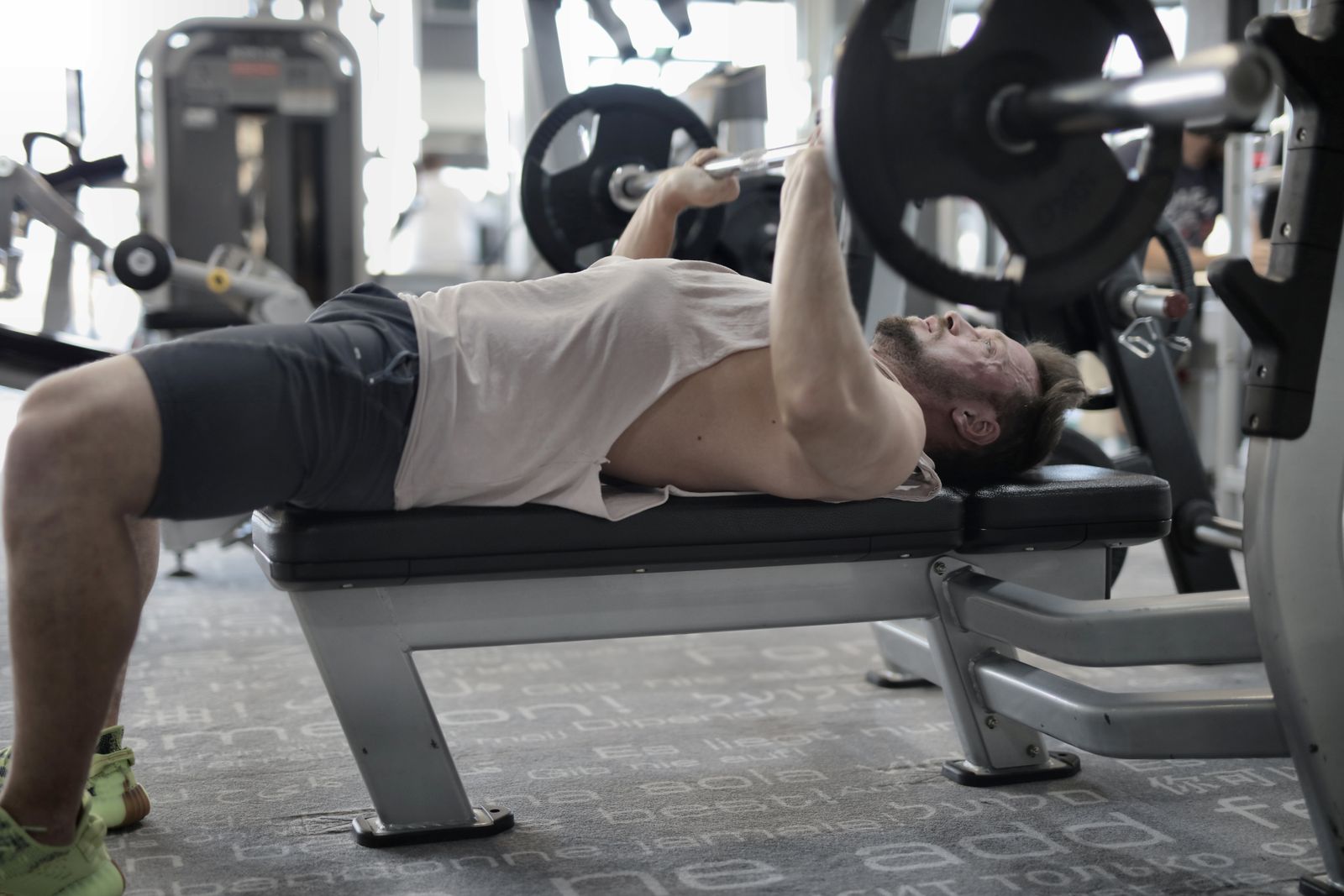
Canadian shopping route • Active Medibrace back supports • Weightlifting-specific lumbar, set/rest tension, and stabilizer logic
Quick selector: match weightlifting scenario to support type
| If this is the lifting scenario | Choose this support type | Medibrace option | Why it fits weightlifting |
|---|---|---|---|
| Barbell, dumbbell, cable, or machine-loaded gym sets | Adjustable lumbar/back support belt | Corflex Industrial Back Support | Adjustable training-session support and a lifting-reminder feel without moving straight to a medical spinal orthosis. |
| Repeated lifting with bending and short rest breaks | Semi-rigid lumbar support | MedSpec Back-n-Black Back Support | More structure than a soft belt while still usable for active tasks. |
| Changing tension between warm-up, lift, and rest | Side-pull lumbar support | BREG Back Support with Side Pulls | Side pulls help adjust compression without removing the brace. |
| Controlled heavy tasks where firmer lumbar guidance is desired | Structured lumbar brace | Bauerfeind LumboLoc Back Brace | A premium structured option when a simple belt feels too light. |
| Gym sets or occasional heavier home tasks | Sport/gym back stabilizer | McDavid Back Stabilizer | Belt-style support for recreational lifting rather than gym lift sessions. |
What changes when the brace is for weightlifting?
Weightlifting changes the decision because the brace has to support short moments of load, repeated bending, set breaks, and safe breathing. A brace that feels secure while standing can feel too restrictive during a hinge, squat, deadlift, row, or carry. The right route is not simply the stiffest brace; it is the support that lets you adjust tension for the lift without wearing maximum compression through the whole session.
This page differs from Best Back Brace for Work Canada because weightlifting adds bar position, hip hinge depth, set/rest tension, and grip/rack-movement decisions. It differs from heavy lifting, where long shifts and bending frequency dominate, and from golf, where rotation and swing comfort matter more than lift tension. For a broader head-page route, use Best Lower Back Brace Canada.
Recommended Medibrace back braces for weightlifting
Corflex Industrial Back Support

- Role: Best training-session lifting route
- Support type: adjustable lumbar support belt
- Price: $103.22
- Best weightlifting scenario: gym lifters who want adjustable abdominal/lumbar support during loaded sets while still loosening between attempts
- Tradeoff: not a substitute for safe lifting mechanics, load limits, or coach/clinician guidance
MedSpec Back-n-Black Back Support

- Role: Best balanced everyday weightlifting support
- Support type: semi-rigid lumbar support
- Price: $108.21
- Best weightlifting scenario: buyers who want more structure than a soft wrap without moving into a high-control spinal orthosis
- Tradeoff: bulkier than a simple elastic belt and should be tested sitting, bending, and lifting
BREG Back Support with Side Pulls

- Role: Best side-pull adjustability
- Support type: lumbar support with side pulls
- Price: $117.63
- Best weightlifting scenario: lifters who want quick tension changes between warm-up, active lifts, and rest breaks
- Tradeoff: side pulls can feel restrictive if overtightened during deep bending
Bauerfeind LumboLoc Back Brace

- Role: Best premium structured lumbar option
- Support type: structured lumbar brace
- Price: $340.00
- Best weightlifting scenario: buyers who want firmer lumbar guidance for controlled lifting situations and can tolerate a more supportive brace feel
- Tradeoff: higher price and more structure than many workers or gym users need
McDavid Back Stabilizer

- Role: Best sport/gym-friendly stabilizer
- Support type: back stabilizer belt
- Price: $79.99
- Best weightlifting scenario: recreational lifters who want a familiar belt-style support for gym sets or occasional heavier tasks
- Tradeoff: less task-specific than industrial work supports for all-day loaded training
Compare gym belt, side-pull brace, and structured lumbar support
| Support route | Best weightlifting fit | Main advantage | Main limitation |
|---|---|---|---|
| Adjustable lumbar/back support belt | Repeated squats, deadlifts, rows, carries, and loaded gym sets | Adjustable support and a reminder to brace during lifts | Not a substitute for safe load selection, technique, coaching, or clinician restrictions |
| Side-pull lumbar support | Tasks with set/rest cycles or changing intensity | Easy tension changes between lifting and breaks | Can feel too tight if worn at maximum tension all session |
| Semi-rigid lumbar support | Frequent bending where soft elastic support feels too light | More structure than a simple belt | May be warmer or bulkier under training clothes |
| Sport/gym stabilizer | Short gym sets or occasional heavy home tasks | Lower-profile, familiar belt feel | Less training-session-specific than industrial supports |
Fit, use, and safety guidance for weightlifting
- Test the brace with the exact movement: hinge, squat, deadlift, carry, and sit-to-stand breaks.
- Use adjustable tension: snug for the lift, relaxed when resting if the brace design allows it.
- Do not use brace tightness to override pain, fatigue, unsafe load weight, or poor lifting mechanics.
- Check that the lower edge does not dig into the hips while bending or climbing stairs.
- If you lift around back symptoms, follow coaching/gym safety guidance and any clinician restrictions before choosing a support.
Health and safety note: This Medibrace guide is general product-selection information only. It does not diagnose, treat, cure, prevent, or replace advice from a licensed clinician.
When this page is not the right route
This page is not the right route for a fresh back injury, severe or spreading pain, leg numbness, suspected fracture, post-surgical instructions, or a clinician-directed brace plan. If your main concern is everyday posture, use a posture-support route instead. If your main concern is all-day work comfort without loaded gym sets, compare the work back brace page. If you need broad lower-back options, start with Best Lower Back Brace Canada.
Related Medibrace routes
FAQ
What is the best back brace for weightlifting in Canada?
The best back brace for weightlifting is usually an adjustable lumbar support or adjustable lumbar support belt that can be tensioned for lifting and loosened between tasks. Choose firmer structure for repeated work loads and a lighter stabilizer for occasional gym or home lifting.
Is a work back support different from a gym lifting belt?
Yes. A work support usually prioritizes shift comfort, bending, adjustability, and reminders to brace during loaded set. A gym belt is often used for short sets and may not be comfortable or appropriate for gym training.
When is this not the right route?
This page is not the right route for a fresh injury, leg numbness, severe or spreading pain, suspected fracture, post-surgical instructions, or any lifting restriction from a clinician or gym safety plan.
Should I choose the tightest back brace for lifting?
No. A brace should feel supportive without causing breathing restriction, numbness, pinching, or painful pressure. Heavy lifting often needs adjustable tension rather than maximum tightness through the whole session.