
Best Back Support Belt in Canada
Best Back Support Belt in Canada: Choose Lumbar Support by Work, Daily Wear, and Adjustability
Direct answer: The best back support belt in Canada is usually an adjustable lumbar or lumbosacral belt chosen by how you will use it: daily standing, light activity, work lifting, or lower pelvic/SI support. Choose side-pull adjustability for variable support, low-profile belts for movement, and a different route when symptoms are acute or radiating.
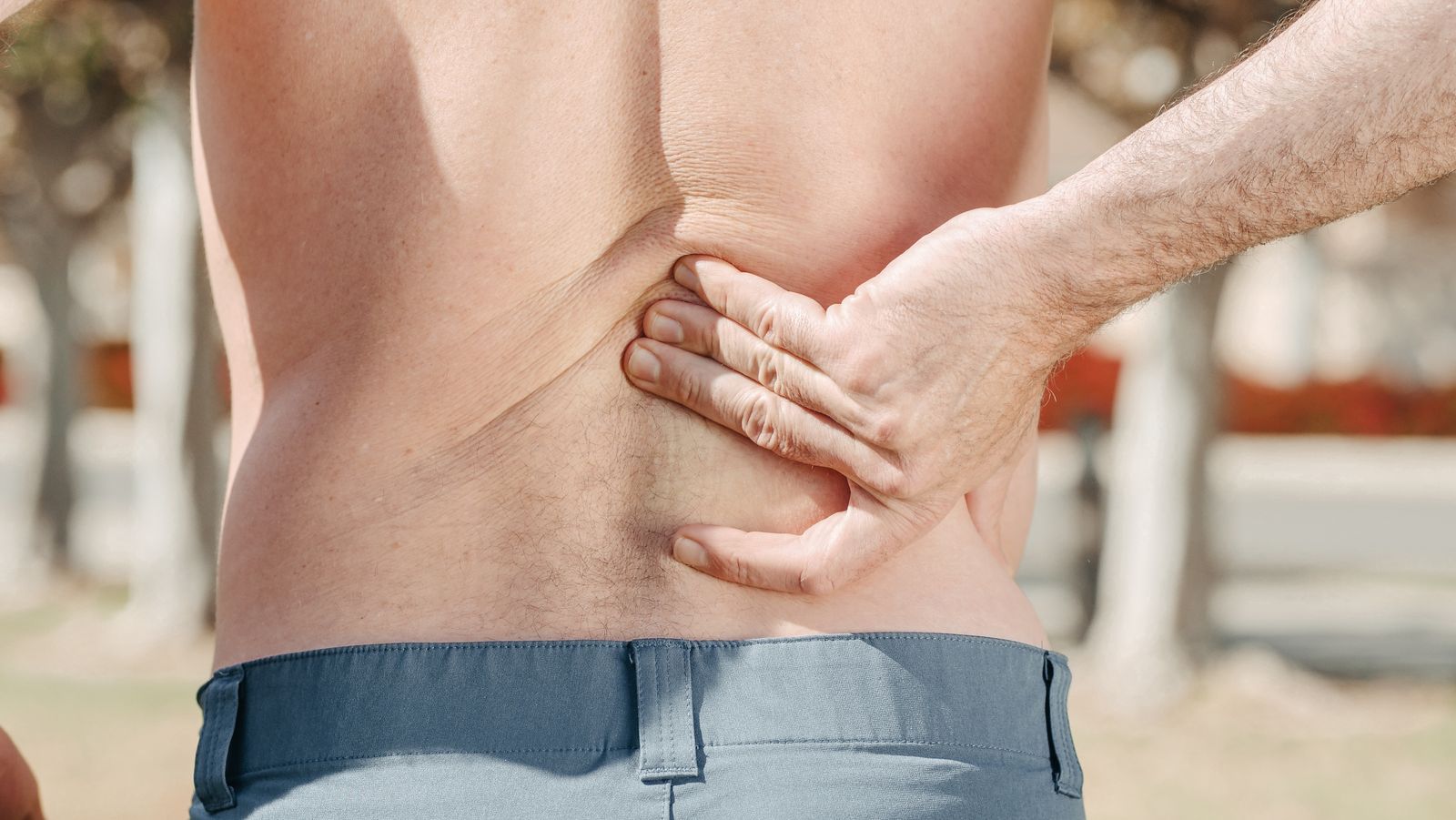
Canadian shopping route • Active Medibrace back supports • Daily belt, side-pull, work-support, sport, and SI-belt logic
Quick selector: match your back-support-belt scenario
| If your back-support-belt need is... | Choose this support type | Medibrace option | Why it fits |
|---|---|---|---|
| You want one belt for errands, standing, and variable daily support | Side-pull lumbar support belt | BREG Back Support with Side Pulls | Lets you adjust compression through the day instead of wearing one fixed-tightness belt. |
| You want simple lower-back support without extra hardware | Basic lumbar support belt | BREG Basic Lumbar Support | A straightforward route for shoppers who do not need a tall brace or side-pull system. |
| You want lower bulk for walking, chores, or casual layers | Sport-style back stabilizer | McDavid Back Stabilizer | Keeps the back-support-belt decision more mobile and less medical-brace-like. |
| Work tasks are the main reason you searched | Durable lumbosacral work support | MedSpec Back-n-Black Back Support | Better when bending, lifting setup, and workday durability matter more than discreet wear. |
| The support target is lower pelvic/SI area | Sacroiliac belt | MedSpec S.I. Belt | Routes you away from broad lumbar belts when the correct support zone is narrower and lower. |
What changes for a back support belt?
A back support belt page should not make the same recommendation as a page for sciatica, sports, or heavy work lifting. Here, the decision is about a wearable belt that can provide adjustable lumbar support during daily tasks without jumping straight to a tall rigid brace. The important questions are how long you will wear it, whether you need side-pull tension, whether work tasks are involved, and whether the support target is actually the SI area rather than the lower back.
If your main question is lifting technique or jobsite support, use Best Back Brace for Lifting at Work Canada or Lower Back Brace for Lifting Canada. If sport movement matters more, use Best Sports Back Brace Canada. If symptoms radiate down the leg or you are comparing sciatica routes, use Best Back Brace for Lower Back Pain and Sciatica Canada with clinician guidance.
Recommended Medibrace back support belts
BREG Back Support with Side Pulls

- Role: Best adjustable back support belt
- Support type: side-pull lumbar support belt
- Price: $117.63
- Best for this back-support-belt decision: buyers who want a belt they can tighten briefly for standing, errands, or work tasks and then relax when seated
- Tradeoff: more strap hardware than a basic lumbar belt, so fit under fitted clothing is less discreet
BREG Basic Lumbar Support

- Role: Best simple lumbar support belt
- Support type: basic lumbar support belt
- Price: $129.99
- Best for this back-support-belt decision: shoppers who want straightforward lower-back support without a tall brace or complicated tension system
- Tradeoff: less fine-tuned compression than side-pull models
McDavid Back Stabilizer

- Role: Best low-profile active belt
- Support type: sport-style back stabilizer
- Price: $79.99
- Best for this back-support-belt decision: people who want a lower-profile belt for light activity, walking, chores, or under casual layers
- Tradeoff: not a rigid medical brace and not for acute injury or prescribed immobilization
MedSpec Back-n-Black Back Support

- Role: Best work-support belt route
- Support type: durable lumbosacral work support
- Price: $108.21
- Best for this back-support-belt decision: buyers whose back-support-belt question is really about repeated bending, lifting setup, or workday bracing
- Tradeoff: bulkier than a minimalist daily belt
MedSpec Sacroiliac (S.I.) Belt - Lumbar Support

- Role: Best when the target is SI-area support
- Support type: sacroiliac support belt
- Price: $69.99
- Best for this back-support-belt decision: shoppers who need a narrower belt around the pelvis/SI area rather than broad lumbar coverage
- Tradeoff: not the right choice when the goal is broad lower-back support
Back support belt vs lumbar brace vs SI belt
| Support route | Best use | Main advantage | Main limitation |
|---|---|---|---|
| Side-pull back support belt | Daily wear with adjustable support | Can tighten or loosen compression through the day | More hardware than a basic belt |
| Basic lumbar support belt | Simple lower-back support | Easy, predictable route | Less adjustability |
| Sport-style stabilizer | Walking, chores, light activity | Lower-profile active feel | Not rigid immobilization |
| Work lumbosacral support | Repeated bending/lifting setup | More durable workday support | Bulkier than daily belts |
| SI belt | Lower pelvic/SI-area support questions | Targets a narrower lower support zone | Not broad lumbar coverage |
Fit, use, and safety guidance
- Measure and size from the product chart; do not size down to make a belt feel stronger.
- Wear the belt snugly enough to stay in place, but not so tight that it restricts breathing, causes numbness, or creates skin irritation.
- Use side pulls for short periods of added support during tasks, then relax tension when sitting or resting.
- For work lifting, a belt should not replace training, ergonomics, pacing, or required workplace safety steps.
- If pain is new, severe, worsening, radiating, or paired with numbness or weakness, pause shopping and speak with a licensed clinician.
Health and safety note: This Medibrace guide is general product-selection information only. It does not diagnose, treat, cure, prevent, or replace advice from a licensed clinician.
When this page is not the right route
This page is not the right route for acute injury, post-surgery instructions, prescribed rigid spinal bracing, severe or worsening symptoms, new numbness or weakness, or pain radiating down the leg. It is also not the best route when the shopping context is specifically heavy work lifting, sports, sciatica, or SI-only support; use the related Medibrace route that matches that scenario.
Related Medibrace routes
FAQ
What is the best back support belt in Canada?
The best back support belt is the one that matches how you will wear it: side-pull support for adjustable compression, a basic lumbar belt for simple daily wear, a sport-style stabilizer for lower bulk, a work belt for lifting setup, or an SI belt when the target is lower pelvic support.
Is a back support belt the same as a back brace?
A back support belt is usually a flexible lumbar or lumbosacral support. A back brace can also include taller, more rigid, or clinically prescribed designs. If you need prescribed immobilization, use clinician guidance rather than a general belt selector.
Should I wear a back support belt all day?
Do not use tight, all-day wear as a shortcut for assessment, conditioning, or workplace changes. Fit should be secure but comfortable, and you should loosen or remove the belt if it causes numbness, breathing restriction, skin irritation, or worsening symptoms.
When is this not the right page?
This is not the right route for acute injury, severe or worsening pain, new numbness or weakness, radiating symptoms, post-surgery instructions, or a prescribed rigid brace. It is also not the best route when the main question is sciatica, heavy lifting at work, sports, or SI-area support only.