
Best Hunchback Posture Corrector Canada
Best Hunchback Posture Corrector Canada: Upper-Back Support, Shoulder Cueing, and When to Choose a Brace Detour
Direct answer: The best hunchback posture corrector in Canada is usually a breathable shoulder posture supporter when the goal is rounded-shoulder cueing and upper-back reminders. Choose a clavicle-style support when shoulder retraction is the main need, and choose a broader upper-back or back brace only when the support need extends beyond posture cueing.
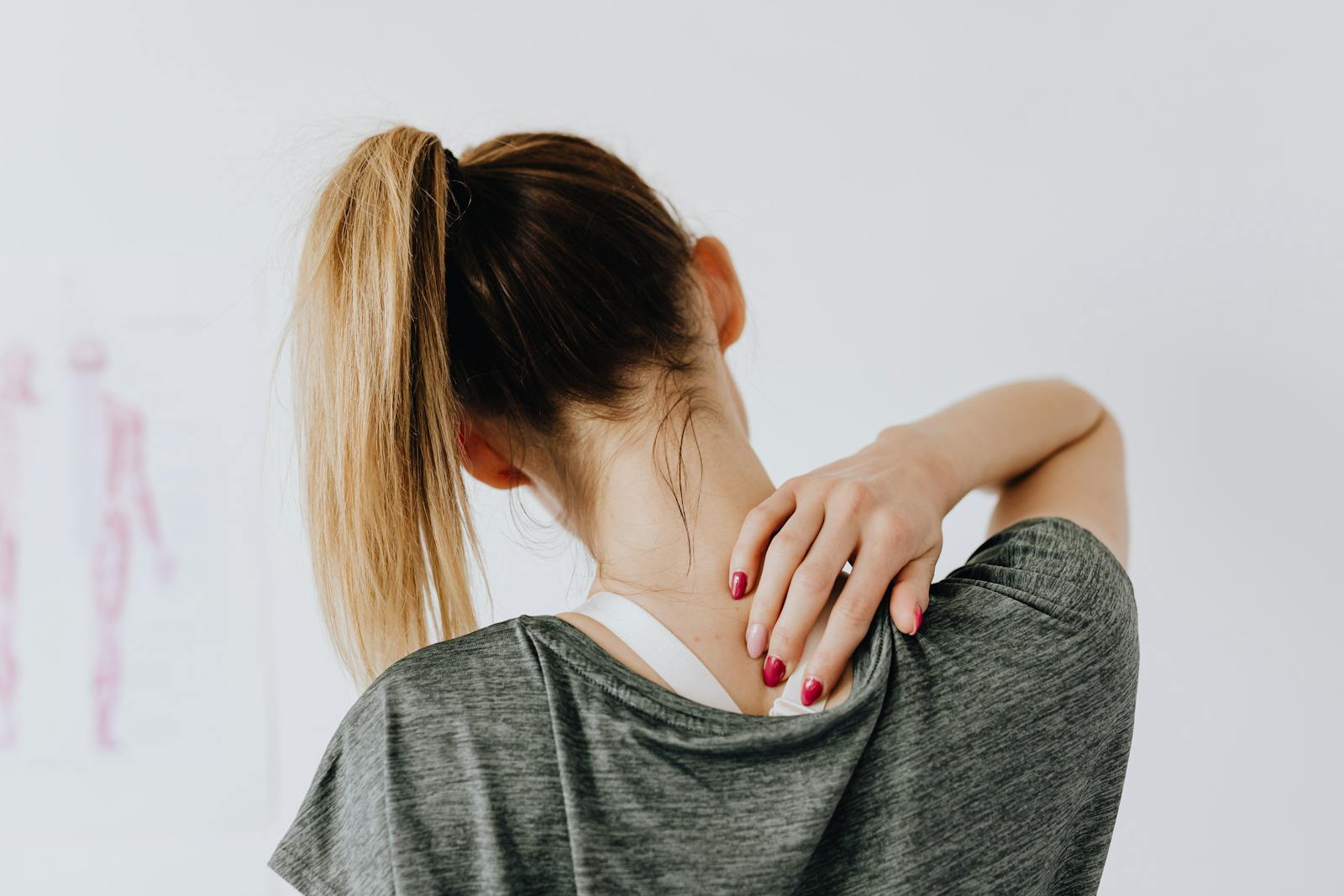
Canadian shopping route • Active Medibrace posture and upper-back support options • Rounded-shoulder cueing vs brace support explained
Quick selector: choose by posture scenario
| If your main scenario is... | Choose this support type | Medibrace option | Why it fits this page |
|---|---|---|---|
| Rounded shoulders or hunchback-style posture while sitting or standing | Breathable shoulder posture supporter | Orliman Breathable Shoulder Posture Supporter | Best first route for posture cueing without turning the page into a lumbar back-brace decision. |
| You mainly want the shoulders gently pulled back | Figure-8/clavicle-style support | M-Brace Clavicle Brace | Useful when shoulder retraction is the key shopping requirement. |
| You want a simpler clavicle-support option | Clavicle support | BREG Clavicle Support | Routes shoppers toward strap-based positioning rather than broad torso compression. |
| Your concern is more shoulder support than posture cueing | Shoulder support detour | Orliman Strong Shoulder Support | A better route when one shoulder needs support and posture-corrector logic is not enough. |
Choosing support for hunchback posture
A hunchback posture search changes the decision because the shopper is usually asking about upper-back rounding and forward shoulders, not lower-back compression. That means the first choice should cue the shoulder blades and upper chest position while staying tolerable for daily wear. A heavy lumbar brace may be too far from the problem.
This page is not the right route if your main concern is lower-back pain, a shoulder injury, a clavicle fracture protocol, or a prescribed spinal brace. For broader posture shopping, use Best Posture Corrector Canada. For a rounded-shoulder-specific route, compare Best Posture Corrector for Rounded Shoulders Canada. For broader thoracic support, use Best Upper Back Brace Canada.
Recommended Medibrace hunchback posture corrector options
Orliman Breathable Shoulder Posture Supporter

- Role: Best posture-cueing starting point
- Support type: breathable shoulder posture supporter
- Price: $71.45
- Best hunchback-posture context: rounded-shoulder cueing and gentle upper-back posture reminders during desk or daily wear
- Tradeoff: It cues posture; it does not force a spinal correction or replace strengthening/mobility work.
M-Brace Clavicle Brace

- Role: Best figure-8/clavicle-style detour
- Support type: clavicle/figure-8 support
- Price: $110.55
- Best hunchback-posture context: shoppers who mainly need shoulder retraction cueing rather than broad back compression
- Tradeoff: Can feel strap-focused under the arms and is not the same as a full upper-back brace.
BREG Clavicle Support

- Role: Best simple clavicle-support route
- Support type: clavicle support
- Price: $63.23
- Best hunchback-posture context: a straightforward strap route when the shopping need is shoulder positioning rather than lumbar support
- Tradeoff: Limited torso coverage, so choose a broader back route if lower-back or whole-spine support is the goal.
Orliman Strong Shoulder Support

- Role: Best shoulder-support detour
- Support type: shoulder support
- Price: $59.99
- Best hunchback-posture context: cases where the issue is shoulder support or one-sided shoulder positioning more than hunchback posture cueing
- Tradeoff: Not the first route for general rounded upper-back posture because it is shoulder-focused.
Posture corrector vs clavicle support vs upper-back brace
| Route | Best context | Main advantage | Not the right route when... |
|---|---|---|---|
| Breathable posture supporter | Daily rounded-shoulder cueing | Most aligned with hunchback-posture shopping | You need rigid spinal bracing or lower-back compression |
| Clavicle/figure-8 support | Shoulder retraction emphasis | Direct shoulder-positioning cue | Underarm strap pressure is not tolerated |
| Shoulder support | Shoulder-focused support detour | Better for shoulder support than general posture cueing | The goal is broad upper-back posture reminders |
| Upper-back/back brace route | Broader thoracic or back support | More coverage than shoulder straps | The shopper only wants a light posture reminder |
Fit, use, and safety notes
- Start with short wear periods and check skin, underarm comfort, and breathing freedom.
- The support should cue position, not force the shoulders painfully backward.
- Do not over-tighten straps to chase a more upright look; numbness, tingling, colour change, or pain are stop signs.
- Posture supports often work best with movement breaks, strengthening, mobility, and workstation changes.
- Get qualified guidance for severe pain, recent injury, progressive curvature, weakness, numbness, or clinician-directed brace needs.
Health and safety note: This Medibrace guide is general product-selection information only. It does not diagnose, prescribe, cure, prevent, or replace advice from a licensed clinician.
When this page is not the right route
Use a different Medibrace route if the problem is mainly lower-back support, one-sided shoulder injury support, clavicle injury management, women-specific fit, or a broad back-brace comparison. A hunchback posture corrector page should help with upper-back and shoulder cueing, not replace medical assessment for structural or worsening symptoms.
Related Medibrace routes
FAQ
What is the best hunchback posture corrector in Canada?
For hunchback or rounded upper-back posture shopping, start with a breathable shoulder posture supporter that cues the shoulders back without heavy lumbar bulk. Use clavicle-style supports when shoulder retraction is the main goal, and choose broader upper-back or back support only when the need extends beyond posture cueing.
Is a hunchback posture corrector different from a back brace?
Yes. A posture corrector usually cues shoulder and upper-back position. A back brace may focus on lumbar or broader spinal support, so it can be the wrong route if the shopper mainly wants light rounded-shoulder reminders.
When is this not the right route?
This is not the right route for recent trauma, severe pain, progressive spinal changes, numbness, weakness, breathing issues, or a clinician-directed brace protocol. It is also not the best page for lower-back support, shoulder injury support, or women-specific fit questions.
Can a posture corrector help with hunchback-style posture?
A posture corrector can provide positioning cues and support reminders, but it should not be expected to create permanent posture change by itself. Fit, comfort, activity tolerance, strengthening, mobility, and qualified guidance may all matter.