
Best Knee Brace for Volleyball Canada
Best Knee Brace for Volleyball Canada: Sleeve, Patella Support, or Hinged Brace?
Direct answer: The best knee brace for volleyball in Canada is usually a breathable compression sleeve when jump volume and kneepad fit matter most, a patella-guidance brace when front-of-knee tracking is the issue, or a hinged brace when side-to-side stability is the priority. Volleyball differs from running or lifting because approach jumps, landings, floor defence, and knee-pad compatibility drive the choice.
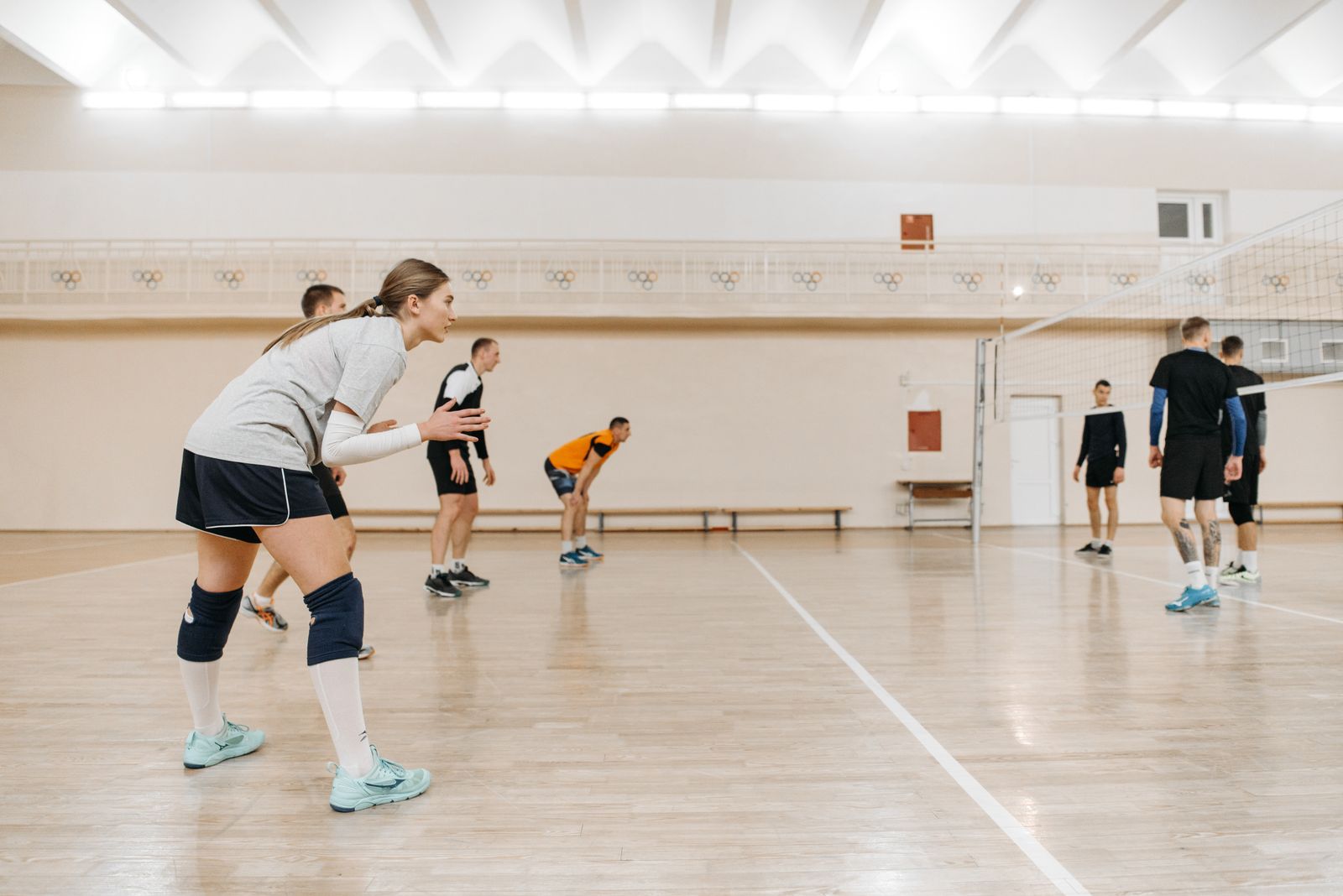
Canadian shopping route • Active Medibrace knee supports • Volleyball-specific sleeve, patella-guidance, and hinged-brace logic
Quick selector: choose by volleyball scenario
| If your volleyball scenario is... | Choose this support type | Medibrace option | Why it fits this scenario |
|---|---|---|---|
| Repeated jumping, practice volume, and general court comfort | Breathable compression knee sleeve | Bauerfeind GenuTrain Knee Brace | Supports all-around volleyball movement while keeping a lower-profile sleeve feel. |
| Side-to-side stability is more important than low bulk | Hinged knee brace | Bauerfeind GenuTrain S Pro | Adds stronger guidance for players who need more control than a sleeve during landings. |
| Front-of-knee or kneecap-tracking concern during jumps | Patella-guidance knee support | Bauerfeind GenuTrain P3 | More specific to kneecap guidance than a plain sleeve or general brace. |
| Recreational play and all-practice comfort | Comfort compression sleeve | Bauerfeind GenuTrain Comfort | Prioritizes comfort when the brace must tolerate warmups, drills, and long practices. |
What changes for volleyball knee support?
Volleyball changes the brace decision because the knee has to move through repeated approach jumps, blocking landings, low defensive positions, and quick direction changes. The brace also has to work with knee pads, so a bulky brace can slide, bunch, or interfere with dives. Start with the volleyball scenario: jump volume, kneecap tracking, stability, or comfort under gear.
This page is not the right route if your main scenario is road running, hiking descents, heavy squats, daily arthritis support, or a post-injury brace decision. Use Best Knee Sleeve for Running Canada, Best Knee Brace for Hiking Canada, Best Knee Sleeve for Squats Canada, or the Knee Braces category instead.
Recommended Medibrace knee braces for volleyball
Bauerfeind GenuTrain Knee Brace

- Role: Best all-around volleyball knee sleeve
- Support type: Knitted compression knee support
- Price: $195.00
- Best volleyball context: players who want breathable sleeve support for repeated jumping, defensive stance changes, and practice volume without a rigid hinge
- Tradeoff: not the strongest choice if the knee repeatedly gives way or needs hinged control
Bauerfeind GenuTrain S Pro Knee Brace

- Role: Best hinged volleyball support
- Support type: Hinged knee brace
- Price: $510.00
- Best volleyball context: players who need more side-to-side guidance than a sleeve during landings, blocking, or return-to-sport drills
- Tradeoff: bulkier than a sleeve and should be tested with pads and movement before game play
Bauerfeind GenuTrain P3 Knee Brace with Silicone Band

- Role: Best patella-tracking option
- Support type: Patella-guidance knee support
- Price: $360.00
- Best volleyball context: front-of-knee or kneecap-tracking concerns during jumping, squatting, and approach steps
- Tradeoff: more specific to kneecap guidance than general mild compression
Bauerfeind GenuTrain Comfort Knee Brace

- Role: Best comfort-focused sleeve
- Support type: Comfort compression knee sleeve
- Price: $230.00
- Best volleyball context: recreational players who want easier all-practice comfort and a softer sleeve feel
- Tradeoff: less sport-stabilizing than hinged or patella-specific options
Compare volleyball knee support types
| Support route | Best volleyball fit | Main advantage | Watchout |
|---|---|---|---|
| Compression sleeve | Jump volume, practice comfort, lower-profile support | Works more easily with many knee pads and court movements | Less control if the knee repeatedly gives way |
| Patella-guidance brace | Front-of-knee tracking during jumps and squats | More targeted than a plain sleeve | Not a general substitute for hinged stability |
| Hinged brace | Side-to-side guidance and stronger stability priority | More supportive than sleeve-only choices | Bulk, pad fit, and movement restriction must be tested |
| Patella strap | Very focused patellar tendon load management | Minimal coverage and easy pad compatibility | Not the same as full-knee sleeve or hinged support |
Fit, use, and safety guidance
- Test the brace with the volleyball knee pads you actually wear, including warmup jumps and low defensive stance.
- Check for slipping, bunching, rubbing behind the knee, numbness, tingling, or circulation changes.
- For repeated giving-way, choose support based on stability rather than the thinnest sleeve.
- Do not use a volleyball brace to keep playing through severe pain, locking, inability to bear weight, major swelling, or a new traumatic injury.
- This Medibrace guide is general product-selection information only. It does not diagnose, prescribe, prevent injury, or replace advice from a licensed clinician.
When this page is not the right route
This page is for volleyball-specific knee support choices. It is not the best route for post-surgery bracing, severe instability, choosing a walking aid, or deciding whether you are cleared to play. If symptoms are new, worsening, linked to a specific injury, or affecting weight-bearing, get assessed before choosing a brace for sport.
Related Medibrace routes
FAQ
What is the best knee brace for volleyball?
For volleyball, start with the movement pattern: compression sleeves usually fit repeated jumping and practice comfort, patella-guidance supports fit kneecap-tracking concerns, and hinged braces fit players who need more side-to-side control than a sleeve.
Can I wear a knee brace with volleyball knee pads?
Often yes, but test the brace with your actual knee pads before game play. Watch for slipping, bunching, pressure behind the knee, restricted deep knee bend, or pad movement during dives and defensive stance changes.
Is a hinged knee brace too much for volleyball?
Not always, but it is more brace than many players need. A hinged brace makes sense when stability is the priority; a sleeve or patella-support route may be better when comfort, kneepad fit, and jump volume are the main issues.
When is this not the right page?
Use a running, hiking, weightlifting, arthritis, patella strap, or post-injury knee page if the main decision is not volleyball jumping, landing, kneepad compatibility, and court movement. Seek professional assessment for severe pain, locking, major swelling, inability to bear weight, or repeated giving-way.