
Best Knee Compression Sleeve for Volleyball Canada
Best Knee Compression Sleeve for Volleyball Canada: Low-Profile Support for Jumping, Landing, and When to Choose a Brace Instead
Direct answer: The best knee compression sleeve for volleyball is a low-profile sport sleeve when you want light support, warmth, and comfort during warm-ups, training, or recreational play. Volleyball changes the decision because repeated jumping, jumping and landing, lateral shuffles, contact, knee-pad fit, and return-to-play risk can make a patella-guiding or stability brace a better route than a simple sleeve.
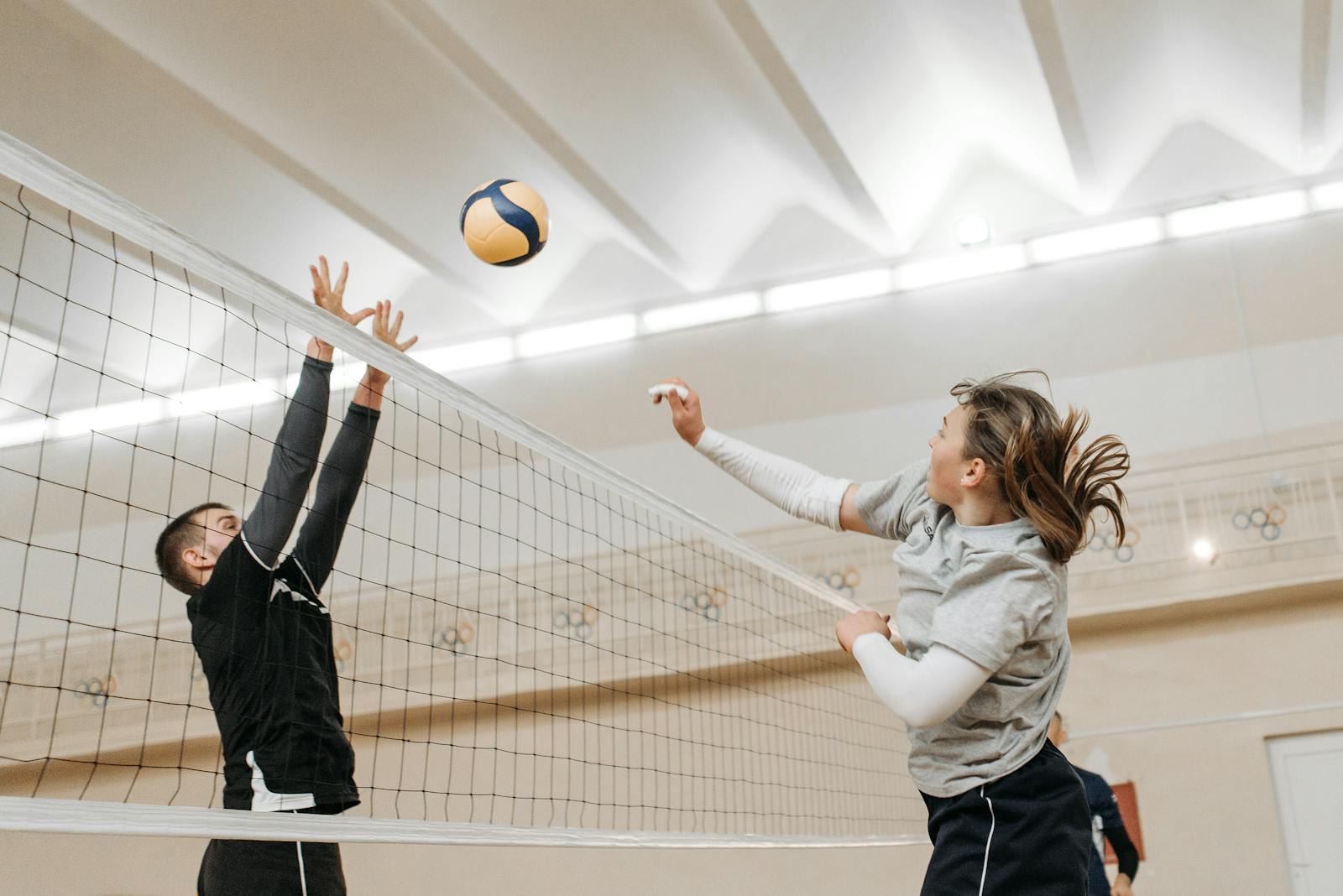
Canadian shopping route • Active Medibrace knee sleeves and braces • Volleyball-specific selector for training comfort, jumping and landing, kneecap guidance, stability detours, and when this is not a sleeve decision
Quick selector: match the volleyball knee scenario
| If your volleyball scenario is... | Choose this support route | Medibrace option | Why it fits volleyball |
|---|---|---|---|
| Warm-ups, non-contact training, recreational play, or low-profile support under knee pads or shorts | Sport knee compression sleeve | Bauerfeind Sports Compression Knee Sleeve | Light, breathable, volleyball-first compression without hinge bulk. |
| Front-of-knee comfort during jogging, stairs, or jump training and controlled drills | Open-patella knit knee brace | Bauerfeind GenuTrain Knee Brace | More kneecap-area comfort than a basic sleeve. |
| Kneecap tracking is the main issue during jumping and landing or lateral shuffles and landings | Patella-guiding knee brace | Bauerfeind GenuTrain P3 Knee Brace | More targeted patella guidance when a sleeve is too general. |
| The knee needs more structure than compression for training confidence | Side-stabilized knee brace | Bauerfeind GenuTrain S Knee Brace | A stability detour when sleeve-only support is not enough. |
What changes when the sleeve is for volleyball?
Volleyball is different from running, gym, or hiking use because the knee sees acceleration, deceleration, lateral shuffles, jumping and landing, repeated jumps, sweat, and sometimes court contact. A sleeve can help with light compression and confidence, but it does not turn a rotational or ligament concern into a safe game-ready knee. The real decision is whether you need compression comfort, kneecap guidance, or side stability.
If you want a broad sleeve comparison, use Best Knee Compression Sleeve Canada. If your priority is sport braces beyond sleeves, use Sports Knee Braces. For all knee shopping, use Knee Braces. If the knee buckles, locks, swells significantly, or needs return-to-play clearance, this page is not the right route.
Recommended Medibrace volleyball knee sleeve and brace options
Bauerfeind Sports Compression Knee Sleeve

- Role: Best volleyball-first compression sleeve
- Support type: sport knee compression sleeve
- Price: $100.99
- Best volleyball scenario: non-contact training, warm-ups, recreational matches or practices, and players who want low-profile support under knee pads or base layers
- Tradeoff: not the right route for buckling, collision instability, or ligament-brace decisions
Bauerfeind GenuTrain Knee Brace

- Role: Best kneecap-comfort detour
- Support type: open-patella knit knee brace
- Price: $195.00
- Best volleyball scenario: players whose front-of-knee comfort matters during stairs, jogging, and jump training and controlled drills
- Tradeoff: more brace-like than a sleeve and not a volleyball-contact stability brace
Bauerfeind GenuTrain P3 Knee Brace

- Role: Best patella-tracking detour
- Support type: patella-guiding knee brace
- Price: $350.00
- Best volleyball scenario: players whose kneecap tracking or front-of-knee guidance is the main issue during jumping, landing, and lateral shuffles and landings
- Tradeoff: too targeted if the player only wants light compression
Bauerfeind GenuTrain S Knee Brace

- Role: Best stability detour when a sleeve is not enough
- Support type: side-stabilized knee brace
- Price: $400.00
- Best volleyball scenario: players who need more structure for training confidence than a compression sleeve can provide
- Tradeoff: bulkier with knee pads and should not replace clinician clearance after significant injury
Knee compression sleeve vs patella brace vs stability brace for volleyball
| Route | Best volleyball context | Main advantage | When to choose another route |
|---|---|---|---|
| Sport knee compression sleeve | Warm-ups, jump training and controlled drills, recreational play, low-profile knee-pad fit | Breathable compression without bulky straps | Not enough for buckling, collision instability, or ligament support. |
| Open-patella knee brace | Front-of-knee comfort during running and drills | More kneecap-area support than a sleeve | Bulkier and more brace-like than compression sleeves. |
| Patella-guiding brace | Kneecap tracking during lateral shuffles or lateral shuffles and landings | Targeted patella logic | Too specialized if the player only wants light warmth and compression. |
| Side-stabilized brace | Training confidence when side support matters | More structure than sleeve-only support | Bulkier for volleyball and not a substitute for clinical clearance. |
Fit, use, and safety guidance
- Test the sleeve with volleyball shorts and knee pads, base layers, knee pads, and socks before game day.
- For jumping and landing and lateral shuffles, check whether the sleeve slips, bunches, or creates pressure behind the knee.
- Choose the lowest-profile sleeve for comfort when the need is light compression; choose a brace route when kneecap tracking or side support drives the decision.
- Do not use a compression sleeve as return-to-play clearance after a significant knee injury.
- Seek qualified guidance for acute injury, severe swelling, locking, numbness, repeated giving-way, post-surgical instructions, or ligament-injury questions.
- This Medibrace guide is general product-selection information only. It does not diagnose, prescribe, prevent injury, treat disease, promise results, or replace advice from a licensed clinician.
When this page is not the right route
This page is not the right route for acute injury, severe swelling, locking, repeated giving-way, post-surgical protocols, ACL/PCL/MCL return-to-play decisions, or a clinician-prescribed sports brace. It is also not the best route if you need footwear, taping instruction, rehab programming, or a broad hinged-brace comparison rather than a volleyball sleeve selector.
Related Medibrace routes
FAQ
What is the best knee compression sleeve for volleyball?
For volleyball, start with a low-profile sport compression sleeve when the goal is training comfort, warmth, and light support without bulky straps. If jumping and landing, kneecap tracking, or instability is the real concern, use a patella-guiding or stability-brace route instead of treating it as a sleeve-only decision.
Can I wear a knee compression sleeve during volleyball games?
Many players prefer a low-profile sleeve for warm-ups, recreational play, or training, but team/league rules, fit under knee pads or shorts, skin comfort, and injury history matter. A sleeve is not a substitute for return-to-play clearance after a meaningful knee injury.
Is a sleeve enough for jumping and landing and lateral shuffles and landings?
A sleeve can feel supportive, but volleyball jumping and landing creates rotational and side-to-side loads. If the knee shifts, buckles, or needs side support, choose a stability brace route or get qualified guidance rather than relying on compression.
When is this page not the right route?
This page is not the right route for acute injury, severe swelling, locking, repeated giving-way, post-surgical instructions, ACL/PCL/MCL clearance, or a prescribed sports brace. Use a clinician-led or stability-brace route instead.