
Best Knee Sleeve for Skiing Canada
Best Knee Sleeve for Skiing Canada: Warmth, Compression, or Hinged Ski Support?
Direct answer: The best knee sleeve for skiing is usually a warm, low-bulk compression sleeve that fits under base layers and snow pants for mild support. Choose a patella-focused sleeve when kneecap tracking is the concern, and choose a hinged knee brace instead for ligament instability, post-injury return, or aggressive skiing.
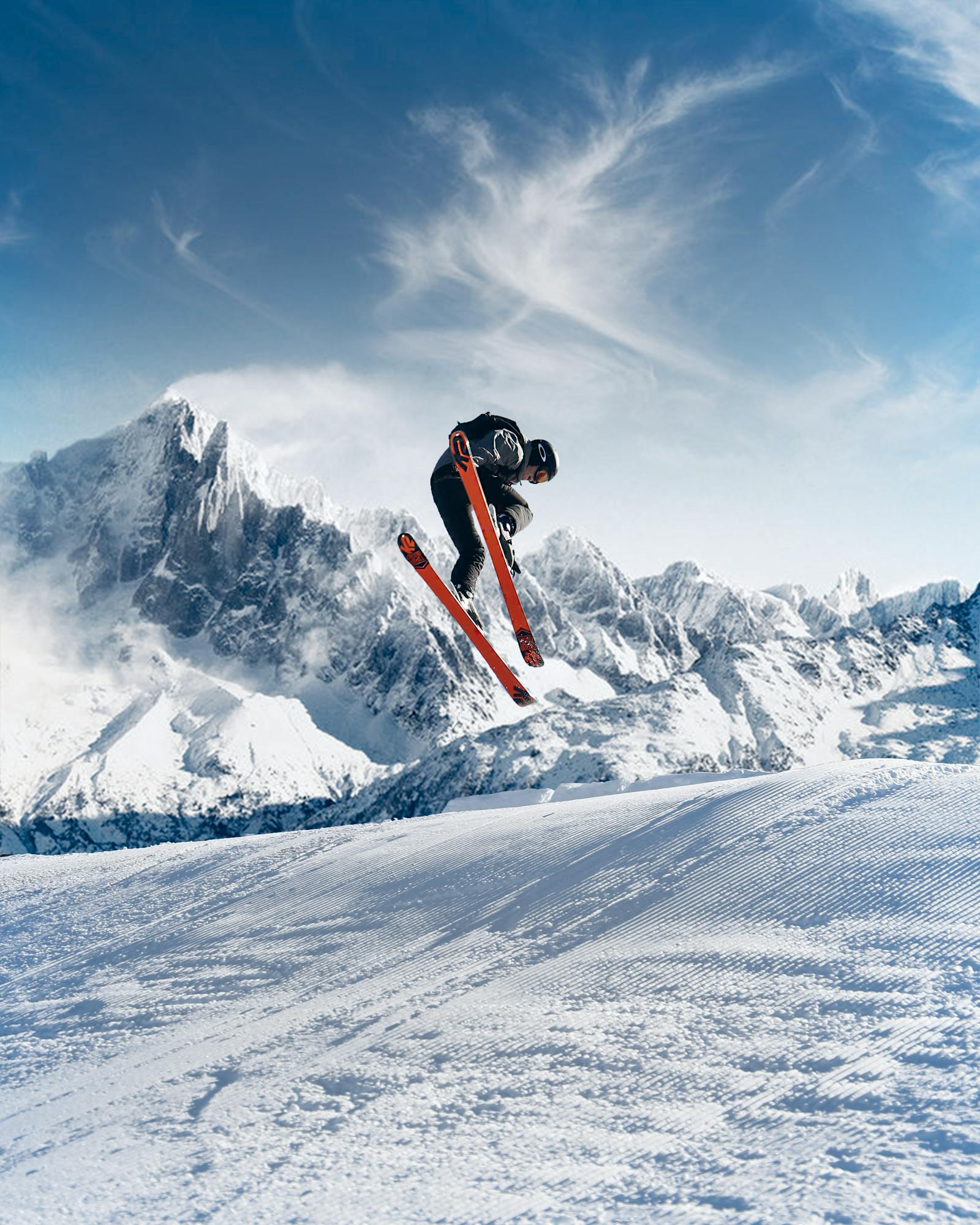
Canadian shopping route • Active Medibrace knee support options • Ski-specific sleeve vs hinged-brace decision logic
Quick selector: choose by ski scenario
| If your skiing scenario is... | Choose this support type | Medibrace option | Why it fits skiing |
|---|---|---|---|
| Mild ache, warmth, or compression under ski layers | Low-bulk compression knee sleeve | Bauerfeind Sports Compression Knee Sleeve | Good first route when the priority is sleeve feel, warmth, and movement under snow pants. |
| You need more adjustability around the knee sleeve fit | Adjustable performance sleeve | OS1st KS7+ Adjustable Performance Knee Sleeve | Useful when swelling, calf/thigh shape, or layered clothing changes fit during the day. |
| Kneecap tracking or front-knee irritation is the main issue | Patella-guiding knit brace | Bauerfeind GenuTrain Knee Brace | More targeted patella support than a plain sleeve, while still lower profile than a hinge. |
| Instability, ligament history, or aggressive downhill skiing | Hinged knee brace route | BREG Shortrunner Soft Knee Brace | Not a simple sleeve decision; hinges may be more appropriate when side-to-side control matters. |
What changes for skiing?
A ski knee sleeve has to sit comfortably under thermals and snow pants while your knee stays flexed in boots. The support should not bunch behind the knee, slide with sweat, or feel so bulky that it changes stance. That makes low-bulk compression and warmth more important than maximum brace structure for mild recreational use.
This page is not the right route if your main concern is a recent twisting injury, strong instability, post-operative instructions, or a prescribed ACL/PCL brace. In those cases, start with the Knee Braces collection or the broader Knee Canada route instead of choosing by sleeve comfort alone.
Recommended Medibrace knee sleeve options for skiing
Bauerfeind Sports Compression Knee Sleeve

- Role: Best low-bulk ski compression sleeve
- Support type: compression knee sleeve
- Price: $100.99
- Best for skiing: mild support, warmth, and smooth layering under base layers and snow pants.
- Tradeoff: not a stability brace for major ligament laxity or post-injury return.
OS1st KS7+ Adjustable Performance Knee Sleeve

- Role: Best adjustable ski sleeve route
- Support type: adjustable performance knee sleeve
- Price: $56.00
- Best for skiing: changing fit across the day when layers, warmth, or mild swelling affect comfort.
- Tradeoff: adjustment helps fit but does not replace hinged side-to-side support.
Bauerfeind GenuTrain Knee Brace

- Role: Best patella-guiding ski sleeve/brace
- Support type: knit knee brace with patella guidance
- Price: $195.00
- Best for skiing: front-knee or kneecap tracking concerns where a plain sleeve feels too general.
- Tradeoff: more structured and premium than a basic sleeve.
BREG Shortrunner Soft Knee Brace

- Role: Best hinged detour for ski stability
- Support type: hinged knee brace
- Price: $275.21
- Best for skiing: skiers with instability history or a need for more side-to-side control.
- Tradeoff: bulkier under ski layers and should match the support need, not just comfort preference.
Knee sleeve vs patella brace vs hinged brace for skiing
| Support route | Best ski context | Main advantage | Main limitation |
|---|---|---|---|
| Compression knee sleeve | Mild ache, warmth, recreational ski days | Lowest bulk under ski layers | Limited stability control |
| Patella-guiding knee brace | Front-knee or kneecap tracking concerns | More targeted than a plain sleeve | Can feel warmer or more structured |
| Hinged knee brace | Instability, ligament history, aggressive skiing | More side-to-side control | Bulkier under snow pants and boots |
Fit, use, and safety guidance for ski days
- Try the sleeve with base layers and snow pants before a full day on the hill.
- Check that the sleeve does not bunch behind the knee in a flexed ski stance.
- Recheck tightness after warm-up; cold and movement can change comfort.
- Avoid over-tightening. Numbness, tingling, colour change, or calf/foot symptoms mean the support is too tight or not appropriate.
- Choose a hinged route, not a simple sleeve route, if instability is the main buying reason.
- Stop skiing and get assessed after a fall, twist, pop, swelling, locking, giving way, or severe pain.
When this page is not the right route
This page is for knee-sleeve shopping around skiing warmth, compression, and layer-friendly support. It is not the right route for a recent ski injury, major swelling, locking, giving way, post-surgical instructions, or a prescribed ligament brace. For those scenarios, compare the full Knee Braces category or the broader Knee Canada page.
Health and safety note: This Medibrace guide is general product-selection information only. It does not diagnose, prescribe, cure, prevent, or replace advice from a licensed clinician.
Related Medibrace routes
FAQs
What is the best knee sleeve for skiing?
For mild recreational skiing, choose a warm, low-bulk compression knee sleeve that fits under ski layers. Choose a patella-guiding knee brace for kneecap tracking concerns, and a hinged knee brace for instability or ligament-support needs.
Is a knee sleeve enough for skiing?
A sleeve may be enough for mild compression, warmth, and light support. It is not the right route for recent twisting injuries, strong instability, severe pain, or a brace that has been prescribed by a clinician.
Should I ski with a hinged knee brace instead of a sleeve?
Consider a hinged knee brace when side-to-side stability, ligament history, or aggressive downhill skiing is the main concern. Check fit under ski clothing and use clinician guidance when returning after injury.