
Best Knee Brace 2024 Canada
Best Knee Brace 2024 Canada
This page is for informational purposes only and does not constitute medical advice. Always consult a qualified healthcare provider before selecting or using a brace or support for your situation.
Direct answer: The best knee brace in 2024 depends on why your knee needs support. For everyday comfort, a knit sleeve like GenuTrain is often the easiest starting point. For kneecap tracking, consider GenuTrain A3 or GenuPoint. For arthritis-related unloading needs, a structured OA brace may be a better fit.
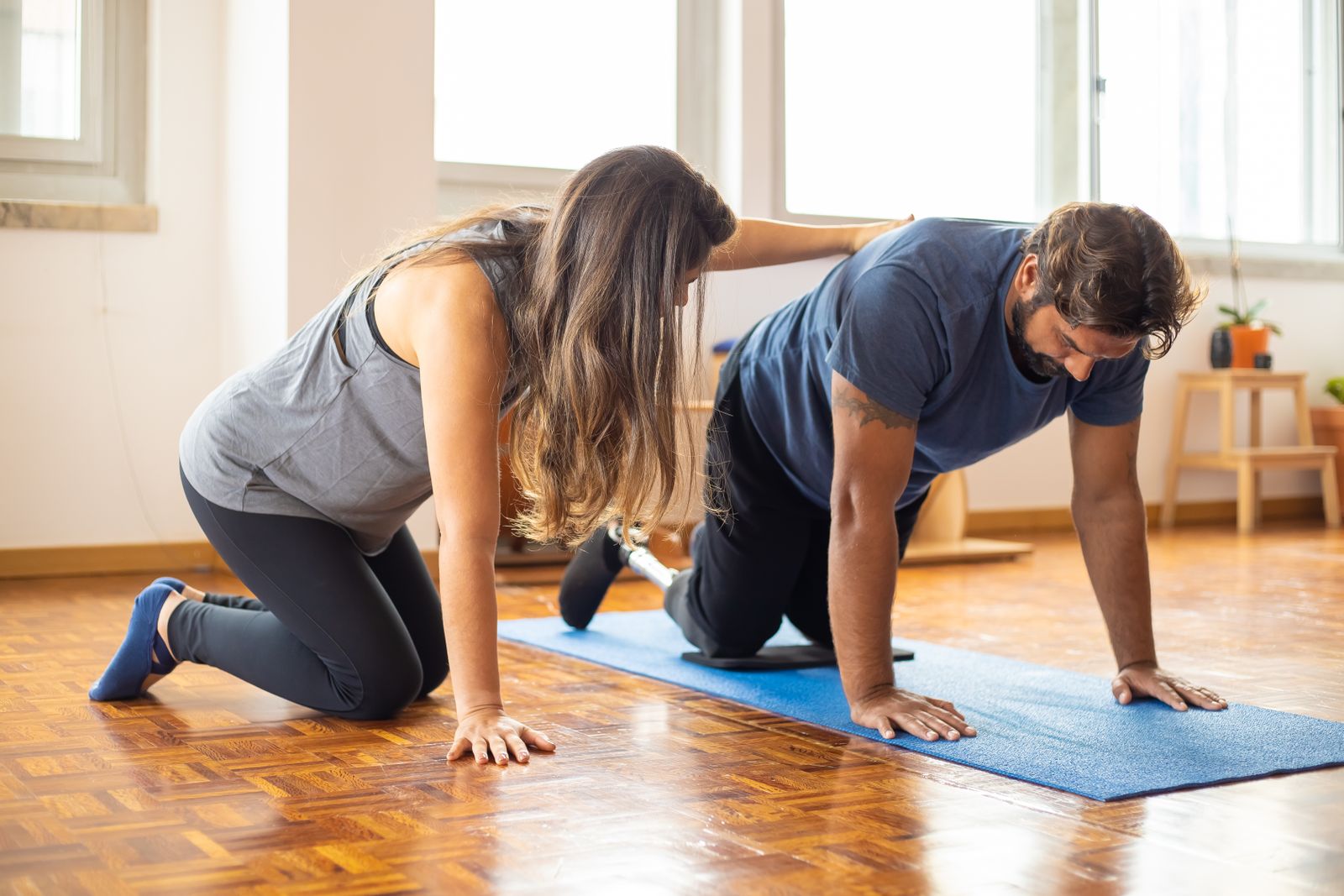
Canadian knee brace options • Bauerfeind selection • Activity-specific support guidance • Informational only, consult a professional
How to choose the best knee brace for your situation
A strong choice starts with matching the brace to the job. Light daily soreness, running irritation, kneecap tracking concerns and arthritis-related loading all call for different support routes. The best knee brace is usually the one you can size correctly, wear consistently and match to the movement that bothers your knee most.
Quick selector for common knee brace shopping scenarios in Canada.
| If your main scenario is... | Choose this route | Medibrace option | Why it fits |
|---|---|---|---|
| Everyday walking or work shifts | Knit compression sleeve with patella pad | Bauerfeind GenuTrain Knee Brace | Comfortable for repeated daily wear while helping the knee feel more supported during stairs, standing and errands. |
| Running with front-of-knee irritation | Targeted patellar tendon strap | Bauerfeind GenuPoint Knee Strap | A low-profile strap can focus support below the kneecap without covering the full joint during warm-weather runs. |
| Kneecap tracking or inner-knee discomfort | Guided knit brace with corrective support features | Bauerfeind GenuTrain A3 Knee Brace | Built for more directional guidance than a basic sleeve when the kneecap area needs extra positioning help. |
| Sleeve slipping during longer wear | Knit sleeve with silicone stay-up band | Bauerfeind GenuTrain Knee Brace with Silicone Band | The silicone band helps keep the brace seated during longer workdays, walks or repeated bending. |
| Arthritis-related load management | Unloader-style knee brace | Bauerfeind GenuTrain OA Knee Brace | A more structured route for people who need help shifting load across the knee during daily movement. |
Recommended Medibrace options
Bauerfeind GenuTrain Knee Brace

- Role: Best overall daily knee sleeve
- Support type: Knit compression sleeve with patella support
- Price: $195.00
- Best for: Daily walking, stairs, errands and work shifts when you want a breathable sleeve that helps the knee feel steadier without bulky hinges.
- Tradeoff: Less targeted than tracking-specific or unloading braces for very specific alignment needs.
Bauerfeind GenuTrain A3 Knee Brace

- Role: Best for kneecap tracking support
- Support type: Guided knit knee brace with patella-focused support
- Price: $340.00
- Best for: Front or inner-knee symptoms where kneecap guidance and more directional support matter more than a simple compression feel.
- Tradeoff: More specialized than a basic sleeve, so sizing and use-case fit matter.
Bauerfeind GenuPoint Knee Strap

- Role: Best low-profile running option
- Support type: Patellar tendon strap
- Price: $120.00
- Best for: Runners or active users who want focused support below the kneecap while keeping the back of the knee uncovered and cool.
- Tradeoff: Does not provide full-joint sleeve coverage or side-to-side knee support.
Bauerfeind GenuTrain Knee Brace with Silicone Band

- Role: Best sleeve for longer wear
- Support type: Knit compression sleeve with silicone stay-up band
- Price: $220.00
- Best for: Longer walks, standing work or repeated bending where sleeve migration is a concern and a more secure top band is useful.
- Tradeoff: The silicone band can feel firmer than the standard sleeve for sensitive skin.
Bauerfeind GenuTrain OA Knee Brace

- Role: Best structured arthritis support route
- Support type: OA unloading-style knee brace
- Price: $1500.00
- Best for: People looking for a more structured brace that may help with comfort when knee loading patterns affect daily walking and standing.
- Tradeoff: Higher cost and more structure than most shoppers need for general soreness.
Compare the support route before choosing a specific brace.
| Choice | Best context | Main advantage | When to choose differently |
|---|---|---|---|
| Knit knee sleeve | Daily comfort, walking, stairs and light activity | Easy to wear under clothing and simple to size for routine use | Choose a strap or guided brace if symptoms are tightly focused around the kneecap |
| Patellar tendon strap | Running or jumping irritation below the kneecap | Minimal coverage and targeted pressure where a full sleeve feels excessive | Choose a sleeve if swelling, warmth or broader joint support is the priority |
| Patella-guided brace | Tracking-related discomfort or front-of-knee control | More directional guidance than a general sleeve | Choose an unloader-style brace when load shifting is the main concern |
| OA unloading-style brace | Arthritis-related load management during walking | More structured support for people who need help with knee loading | Choose a lighter sleeve for mild daily comfort and easier all-day wear |
Fit, use, and safety guidance
- Measure the knee and thigh where the product size chart specifies, not over thick clothing.
- A brace should feel secure but should not cause numbness, tingling or color change.
- Try the brace during the movements that matter most, such as stairs, walking or jogging warmups.
- Recheck fit after the first few wears because sleeves can settle into position differently during activity.
- Use a lighter support route for comfort and a more structured route when stability or load management is the main goal.
Health and safety note: This Medibrace guide is general product-selection information only. It does not diagnose, treat, cure, prevent, prescribe, or replace advice from a licensed clinician.
When to check with a clinician first
Check with a clinician before choosing a brace if knee pain followed a major fall, the knee buckles, locks, swells rapidly, feels hot, or you cannot bear weight comfortably. Professional guidance is also important after surgery, with suspected ligament injury, or when arthritis symptoms are changing quickly.
Related Medibrace routes
FAQ
What is the best knee brace in 2024 for everyday use?
For general daily support, a comfortable knit sleeve such as the Bauerfeind GenuTrain Knee Brace is often a practical starting point because it is easier to wear consistently for walking, stairs and work.
Which knee brace is best for running?
For irritation focused below the kneecap, a patellar strap such as GenuPoint may help with comfort while keeping coverage minimal. If you want broader knee coverage, a sleeve route may fit better.
Is an expensive knee brace always better?
No. The best choice depends on the support route. A simple sleeve can be enough for daily comfort, while a higher-priced OA brace is mainly for more structured load management needs.
Should I choose a knee sleeve or a hinged-style brace?
A sleeve is usually easier for daily comfort and light activity. More structured braces are commonly used when stability, load shifting or specific clinician guidance points in that direction.