
Best mmHg Compression Socks for Nurses Canada
Best mmHg Compression Socks for Nurses Canada: Choose 15-20, 20-30, or 30-40 by Shift Need
Direct answer: The best mmHg compression socks for nurses depend on shift length, calf/ankle measurements, swelling tendency, shoe volume, and whether a clinician has recommended a pressure level. Compare lower everyday compression for first-time work socks, 20-30 mmHg for firmer measured support, and 30-40 mmHg only when higher compression is appropriate for you.
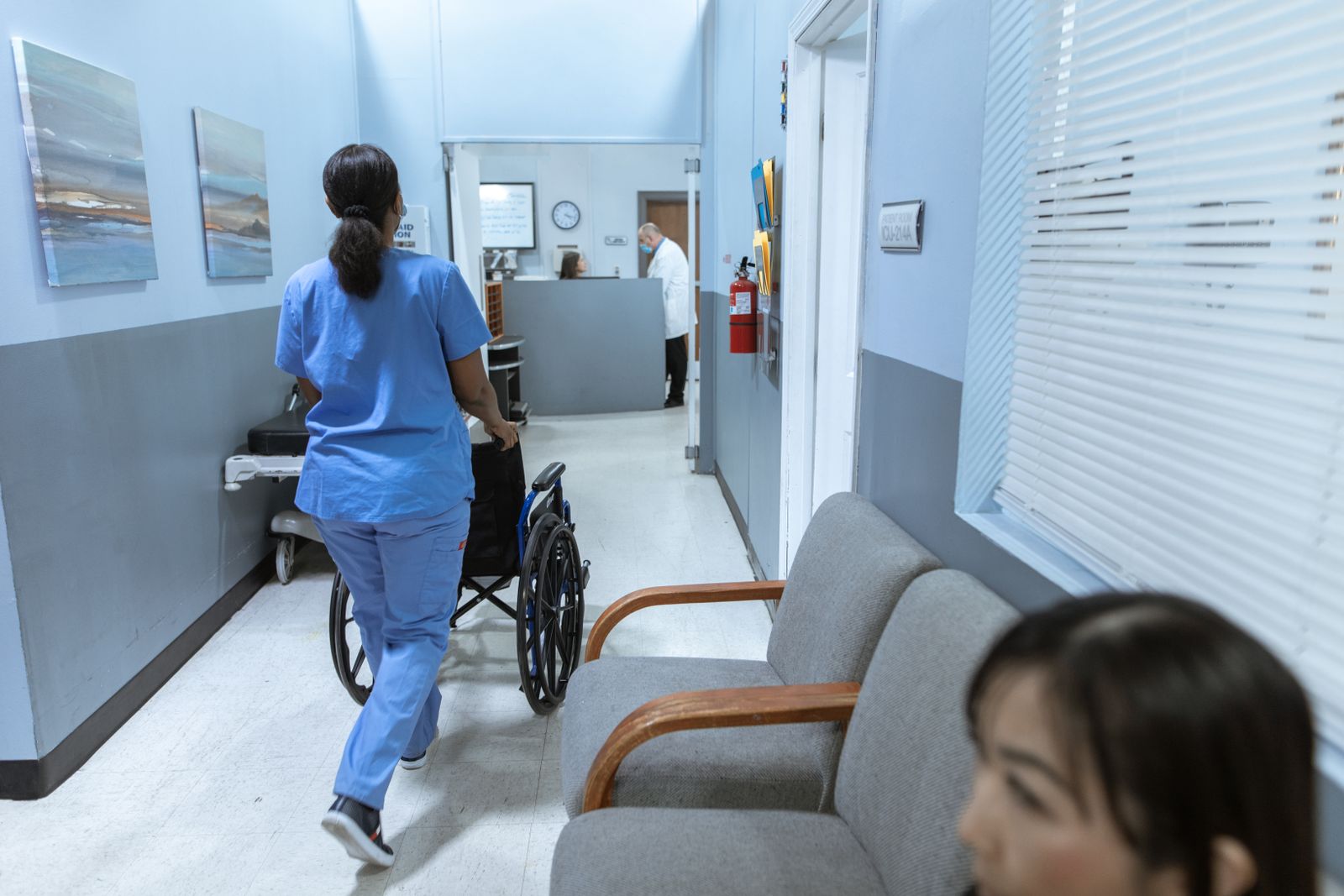
Canadian shopping route • Active Medibrace compression products • Nurse-specific selector for 15-20, 20-30, 30-40, silicone grip, calf fit, and when not to self-select
Quick selector: choose by nurse mmHg scenario
| If your nursing-shift scenario is... | Choose this mmHg route | Medibrace option | Why it fits the shift |
|---|---|---|---|
| First-time compression socks, routine shifts, or lower shoe volume | Lighter everyday compression route | Levaire Casual Wear Compression Sock | Good starting point when comfort and normal sock feel matter more than maximum firmness. |
| Long standing shifts with sneakers or roomy work shoes | Cushioned 20-30-style work sock route | Levaire Active Cushion Compression Sock | Pairs a firmer work-shift feel with more underfoot comfort for walking-heavy days. |
| You specifically want measured 20-30 mmHg support | 20-30 mmHg premium knee-high route | Bauerfeind VenoTrain Micro 20-30 mmHg | More precise pressure selection for nurses who measure sizing carefully. |
| You have been guided toward higher compression | 30-40 mmHg clinician-guided route | Bauerfeind VenoTrain Micro 30-40 mmHg Plus | Reserved for higher-compression needs, not a casual first-purchase shortcut. |
| Top band slips on long shifts | 20-30 mmHg silicone-grip stocking route | Bauerfeind VenoTrain Soft S 20-30 mmHg Silicone Grip Top | Targets stay-up comfort when sliding, rolling, or top-band movement is the main issue. |
Shop Compression Socks & Stockings
What changes when nurses choose by mmHg?
A nurse shopping by mmHg is making a different decision than a nurse shopping by colour, style, or brand. The key question is how much pressure fits the shift, calf measurements, skin comfort, shoe volume, top-band tolerance, and any clinician guidance. A higher number is not automatically the better work sock.
If the main question is broad nursing-shift comfort, compare Best Compression Socks for Nurses Canada. For women’s styling and shoe-fit details, use Best Compression Socks for Women Nurses Canada. For male nurse fit, use Best Compression Socks for Male Nurses Canada. If top-band/calf width is the blocker, use Best Wide Calf Compression Socks for Nurses Canada.
Recommended Medibrace mmHg compression sock options for nurses
Levaire Casual Wear Compression Sock

- Role: Best 15-20 mmHg-style everyday nursing route
- Support type: lighter everyday knee-high compression sock
- Price: $64.50
- Best nurse mmHg context: nurses comparing a lower-pressure, normal sock-feel route for routine shifts, lower shoe bulk, and first-time compression wear
- Tradeoff: not the strongest route for heavy swelling, large calf pressure needs, or prescribed compression
Levaire Active Cushion Compression Sock

- Role: Best 20-30 mmHg-style cushioned shift route
- Support type: cushioned knee-high compression sock
- Price: $64.50
- Best nurse mmHg context: nurses who stand and walk for long shifts and want a sock feel that works with sneakers or roomy work shoes
- Tradeoff: may feel too bulky in tight clogs or dressier work shoes
Bauerfeind VenoTrain Micro Knee-High Compression Socks 20-30 mmHg, Regular Calf

- Role: Best premium 20-30 mmHg route
- Support type: clinically designed knee-high compression sock
- Price: $130.99
- Best nurse mmHg context: nurses who specifically want a firmer 20-30 mmHg knee-high option and can measure calf/ankle size carefully
- Tradeoff: requires more precise sizing and may feel firmer than casual socks
Shop Bauerfeind VenoTrain Micro Knee-High Compression Socks 20-30 mmHg, Regular Calf
Bauerfeind VenoTrain Micro Knee-High Compression Socks 30-40 mmHg, Wide Calf

- Role: Best clinician-guided 30-40 mmHg detour
- Support type: firm 30-40 mmHg knee-high compression stocking
- Price: $130.00
- Best nurse mmHg context: nurses who have already been guided toward higher compression and need a plus-size route
- Tradeoff: not a casual self-selection route; use clinician guidance for this level
Shop Bauerfeind VenoTrain Micro Knee-High Compression Socks 30-40 mmHg, Wide Calf
Bauerfeind VenoTrain Soft S Knee-High Compression Socks 20-30 mmHg, Silicone Grip Top

- Role: Best 20-30 mmHg silicone-grip option
- Support type: 20-30 mmHg knee-high stocking with silicone grip top
- Price: $150.99
- Best nurse mmHg context: nurses whose top band slips during long shifts and who want a stay-up stocking route
- Tradeoff: silicone grip is not ideal for every skin type or sensitivity
Shop Bauerfeind VenoTrain Soft S Knee-High Compression Socks 20-30 mmHg, Silicone Grip Top
Sigvaris Women’s Essential Opaque Knee High Compression Stockings 20-30 mmHg

- Role: Sigvaris measured-fit option
- Support type: measured-fit knee-high compression stocking
- Price: $98.00
- Best for this compression decision: best mmhg compression socks for nurses shoppers who want a Sigvaris option with real size, length, and shade selectors where available
- Tradeoff: Requires ankle/calf and garment-length measurement; not the right route if a clinician specified a different pressure or garment height.
Shop Sigvaris Women’s Essential Opaque Knee High Compression Stockings 20-30 mmHg
Sigvaris Essential Cotton Calf Knee High Compression Stockings 20-30 mmHg, Women’s

- Role: Sigvaris measured-fit option
- Support type: cotton knee-high compression stocking
- Price: $97.50
- Best for this compression decision: best mmhg compression socks for nurses shoppers who want a Sigvaris option with real size, length, and shade selectors where available
- Tradeoff: Requires ankle/calf and garment-length measurement; not the right route if a clinician specified a different pressure or garment height.
Shop Sigvaris Essential Cotton Calf Knee High Compression Stockings 20-30 mmHg, Women’s
Sigvaris Sea Island Cotton 220 Knee High Compression Socks 20-30 mmHg

- Role: Sigvaris measured-fit option
- Support type: cotton knee-high compression stocking
- Price: $117.00
- Best for this compression decision: best mmhg compression socks for nurses shoppers who want a Sigvaris option with real size, length, and shade selectors where available
- Tradeoff: Requires ankle/calf and garment-length measurement; not the right route if a clinician specified a different pressure or garment height.
Shop Sigvaris Sea Island Cotton 220 Knee High Compression Socks 20-30 mmHg
15-20 vs 20-30 vs 30-40 mmHg for nursing shifts
| Pressure route | Best nursing context | Main advantage | When to choose another route |
|---|---|---|---|
| Lighter everyday compression | First-time users, routine shifts, lower shoe bulk, normal sock feel | Easier comfort starting point for many work socks | Not the route for prescribed or higher-compression needs. |
| 20-30 mmHg | Measured sizing, longer standing shifts, firmer knee-high support preference | More structured pressure choice than casual socks | Can feel too firm or warm if sizing/shoe fit is wrong. |
| 30-40 mmHg | Clinician-guided higher-compression use | Higher-pressure category for specific needs | Not a casual self-selection route. |
| Silicone grip top | Top band slips during long shifts | Helps address stay-up concerns | May not suit skin sensitivity or every calf shape. |
Fit, use, and safety guidance for nurse mmHg selection
- Measure ankle and calf before choosing 20-30 or 30-40 mmHg products.
- Test socks with the exact work shoes you wear on shift; firmer socks can change shoe volume.
- Avoid rolling or folding the top band to make a too-long sock fit.
- Stop using socks that cause numbness, tingling, colour change, skin irritation, or worsening symptoms.
- This Medibrace guide is general product-selection information only. It does not diagnose, prescribe, guarantee results, or replace advice from a licensed clinician.
When this page is not the right route
This page is for nurses comparing compression socks by mmHg level and work-shift fit. It is not the right route for sudden one-sided swelling, unexplained calf pain, skin colour change, numbness, open skin, post-surgical instructions, or prescribed compression decisions. It is also not the best route when the main choice is women’s styling, male nurse sizing, wide-calf fit, or broad comfort rather than pressure level.
Related Medibrace routes
FAQ
What mmHg compression socks are best for nurses?
For nurses, the best mmHg level depends on shift length, swelling tendency, shoe volume, calf measurements, and whether a clinician has recommended a specific level. Many shoppers compare lower everyday compression, 20-30 mmHg firmer support, and 30-40 mmHg clinician-guided options rather than choosing by pressure alone.
Are 20-30 mmHg compression socks good for nursing shifts?
20-30 mmHg can be a firmer knee-high route for long standing shifts when sizing is measured carefully. It is different from a casual sock feel, so nurses should match it to calf/ankle measurements, shoe room, skin comfort, and any clinician guidance.
Should nurses choose 30-40 mmHg compression socks?
30-40 mmHg is a higher-compression route and should not be treated as a casual first pick. Nurses considering this level should follow clinician guidance, especially with circulation concerns, diabetes, skin sensitivity, or prescribed compression needs.
How is this different from the general nurses compression socks page?
The general nurses page focuses on work-shift comfort, shoe fit, and sock style. This page focuses specifically on mmHg pressure decisions: lighter everyday routes, 20-30 mmHg options, 30-40 mmHg caution, silicone grip, calf measurement, and when another page is a better route.
When is this page not the right route?
This page is not the right route for sudden one-sided swelling, unexplained calf pain, skin colour change, numbness, open skin, post-surgical instructions, or prescribed compression decisions. It is also not the best page when the main question is women’s styling, male nurse fit, wide-calf sizing, or broad nurse sock comfort rather than mmHg level.