
Best Posture Corrector 2018 Canada
Best Posture Corrector 2018 Canada: Practical Support Options
This page is for informational purposes only and does not constitute medical advice. Always consult a qualified healthcare provider before selecting or using a brace or support for your situation.
Direct answer: The best posture corrector from 2018 era searches is usually the one that matches your daily posture challenge, not the stiffest brace. For many Canadians, a light shoulder reminder works for desk awareness, while lumbar or lumbosacral support may help comfort when low-back fatigue is part of the posture problem.
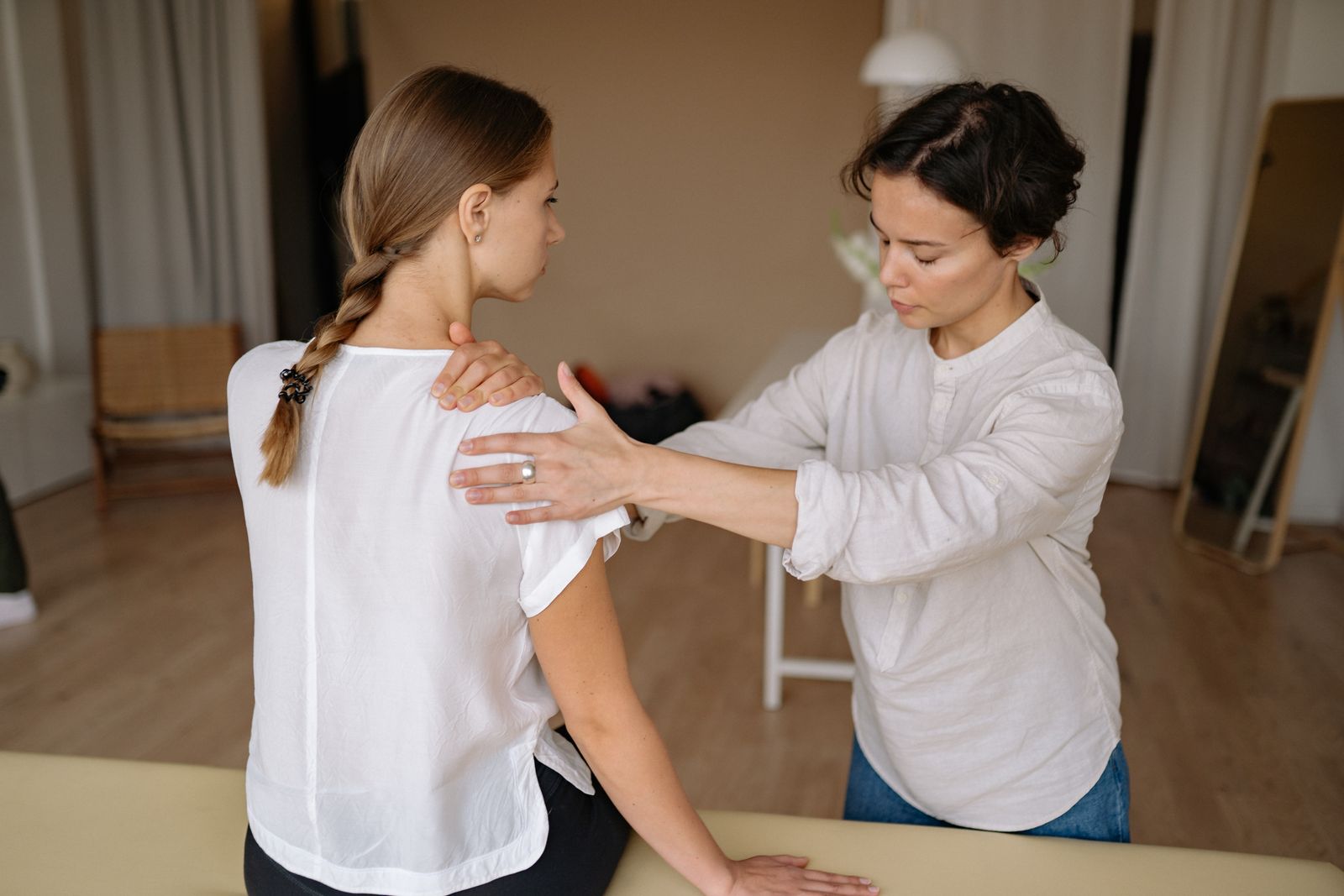
Canadian brace selection • Practical fit guidance • Support options for work and daily routines
Best Posture Corrector 2018 Canada
How to choose a posture support today
Older posture corrector reviews often focused on shoulder straps, but the better choice depends on where posture breaks down during the day. Rounded shoulders, low-back fatigue, long sitting, standing work, and pregnancy-related support needs can each point to a different support route.
Match the posture concern to the support style before comparing products.
| If your main scenario is... | Choose this route | Medibrace option | Why it fits |
|---|---|---|---|
| Desk work with low-back fatigue | Structured lumbar support | Bauerfeind LumboLoc Back Brace | A firm lumbar panel helps encourage steadier sitting posture during long computer sessions. |
| Standing shifts with recurring lower-back tiredness | Lumbosacral wrap support | Bird & Cronin Lumbosacral Back Support | A broad wrap can be easier to adjust through the day when posture changes with movement. |
| Posture awareness plus active daily movement | Knit lumbar support with flexible feel | Bauerfeind LumboTrain Back Brace | The knit design is commonly used when someone wants support without a rigid brace feel. |
| More structured posture support for heavier tasks | Higher-control lumbar bracing | Bauerfeind LumboLoc Forte Back Brace | Extra structure may help users who need a more guided support feel during demanding routines. |
| Pregnancy posture changes and belly weight | Maternity back support | Bauerfeind Spinova Mum Maternity Back Support | Designed for maternity support when posture comfort changes as the abdomen grows. |
Recommended Medibrace options
Bauerfeind LumboLoc Back Brace

- Role: Structured lumbar posture support
- Support type: Firm lumbar brace
- Price: $340.00
- Best for: Desk workers or drivers who feel their lower back slumping during long seated blocks and want a more guided upright cue.
- Tradeoff: More noticeable under fitted clothing than lighter posture reminder styles.
Bauerfeind LumboTrain Back Brace

- Role: Flexible daily support
- Support type: Knit lumbar support
- Price: $390.00
- Best for: People who move between sitting, walking, and light tasks and want a supportive feel that can follow daily motion.
- Tradeoff: Less rigid guidance than a brace with stronger stays or panels.
Bauerfeind LumboLoc Forte Back Brace

- Role: Higher-control lumbar option
- Support type: Structured lumbar brace with stronger guidance
- Price: $670.00
- Best for: Users comparing posture correctors because they need firmer low-back positioning support for longer or more demanding routines.
- Tradeoff: Bulkier and more supportive than many casual posture corrector shoppers may need.
Bird & Cronin Lumbosacral Back Support

- Role: Value-oriented wrap support
- Support type: Lumbosacral elastic support
- Price: $76.00
- Best for: Standing work, errands, and home tasks where adjustable lower-back support is more useful than shoulder strap posture cues.
- Tradeoff: Simpler construction and less targeted shaping than premium lumbar braces.
Bauerfeind Spinova Mum Maternity Back Support

- Role: Maternity posture comfort support
- Support type: Pregnancy back and abdominal support
- Price: $550.00
- Best for: Pregnant users whose posture comfort is affected by changing belly weight and who need support shaped for maternity use.
- Tradeoff: Specific to pregnancy and not intended as a general desk posture corrector.
Common posture corrector choices compared by daily context.
| Choice | Best context | Main advantage | When to choose differently |
|---|---|---|---|
| Shoulder strap posture reminder | Rounded shoulder awareness during short wear windows | Light cue that may fit under some clothing | Choose lumbar support if low-back fatigue is the main issue. |
| Structured lumbar brace | Desk, driving, and repeated sitting posture | Clearer lower-back positioning support | Choose a lighter knit option when flexibility matters more. |
| Knit lumbar support | Mixed movement through the day | Supportive feel with easier motion | Choose a firmer brace for stronger positional guidance. |
| Lumbosacral wrap | Standing work and adjustable daily support | Simple, accessible support route | Choose a shaped brace when fit contour and control matter more. |
Fit, use, and safety guidance
- Measure at the area specified on the product page before choosing a size.
- Start with shorter wear periods so your body can adapt to the support feel.
- A posture support should feel snug and steady, without pinching or limiting breathing.
- Use posture support as a cue alongside breaks, movement, and workstation adjustments.
- Stop use and seek guidance if numbness, new pain, skin irritation, or unusual symptoms appear.
Health and safety note: This Medibrace guide is general product-selection information only. It does not diagnose, treat, cure, prevent, prescribe, or replace advice from a licensed clinician.
When to check with a clinician first
Check with a qualified clinician before choosing a posture corrector if symptoms follow an injury, include numbness or weakness, radiate into the arm or leg, worsen quickly, or if you have a diagnosed spine condition. Professional guidance can help match support level, wear time, and activity limits to your situation.
Related Medibrace routes
FAQ
Is a 2018 posture corrector still worth comparing?
Yes, older searches can still be useful if you focus on the support type and fit needs rather than a dated ranking.
Should I choose shoulder straps or a back brace?
Shoulder straps may help with awareness, while a back brace is commonly used when low-back posture comfort or fatigue is the bigger concern.
Can I wear posture support all day?
Many people start with shorter sessions and adjust based on comfort, product guidance, and clinician advice when needed.
What matters most for posture corrector fit?
The support should match your measurements, stay in place during normal movement, and feel snug without pressure points.